18-Million-Year-Old Fossil Reveals Ape Origins in Egypt
Scientists discovered fossils in Egypt that could rewrite the story of where apes first evolved. The 18-million-year-old remains suggest northern Africa played a bigger role in our evolutionary history than anyone thought.
A jaw fragment and worn teeth discovered in the Egyptian desert are connecting the dots in humanity's deepest family history.
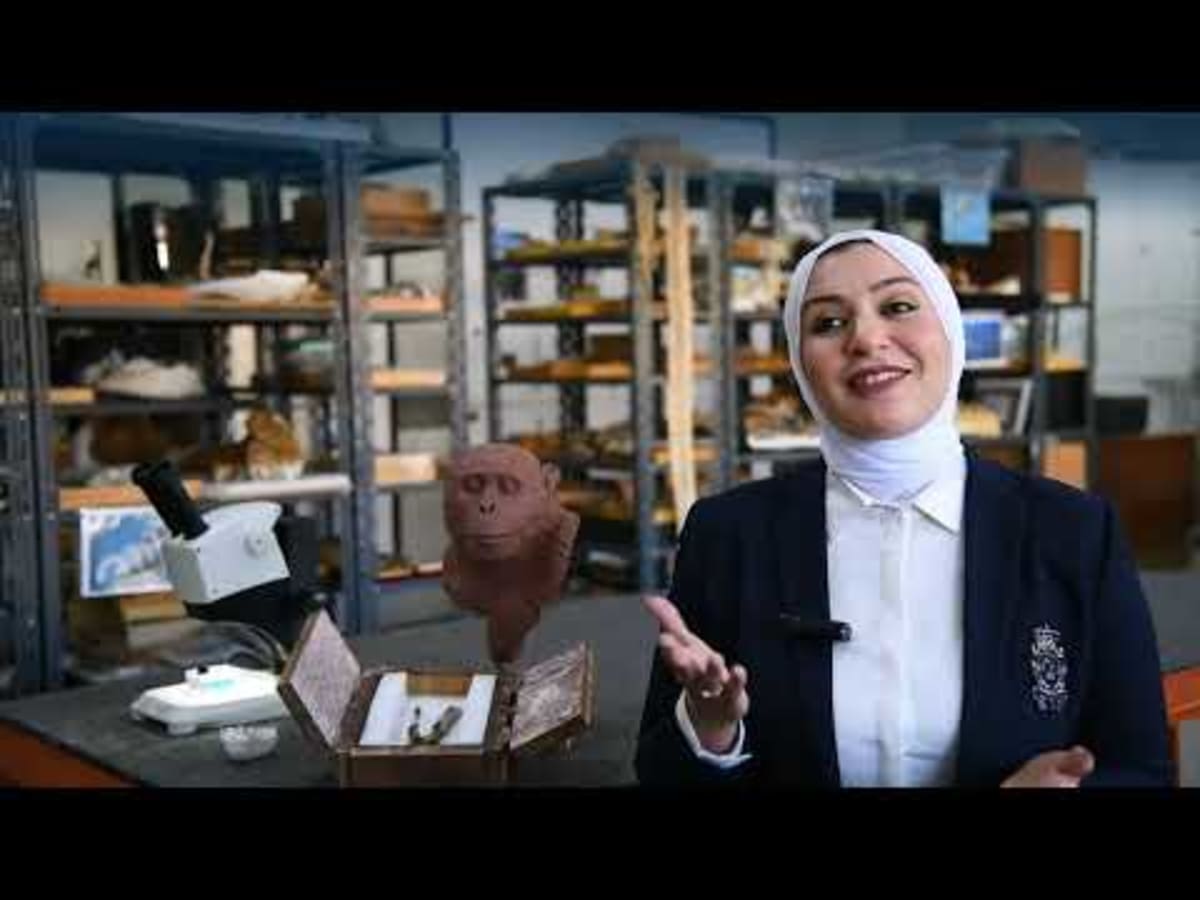
Scientists unearthed the fossils during expeditions in 2023 and 2024 at Wadi Moghra in northern Egypt. The remains belong to a newly identified species called Masripithecus moghraensis, which lived about 18 million years ago.
The discovery challenges long-held assumptions about where our earliest ape ancestors lived. Most previous fossil finds came from East Africa, leading scientists to believe that region was the primary birthplace of apes.
These Egyptian fossils tell a different story. They suggest early apes spread across a much wider area of Africa than previously believed.
Why This Inspires
This discovery reminds us that our understanding of human history keeps growing. Every new fossil fills in gaps in our shared story, connecting us more deeply to the natural world and each other.
The research team believes Masripithecus moghraensis existed shortly before the evolutionary split between great apes (like humans and chimpanzees) and lesser apes (like gibbons). That timing places it tantalizingly close to the last common ancestor of all living apes.
The study, published in Science on March 26, highlights how much scientists still have to learn. Fossil evidence from northern Afro-Arabia remains rare, leaving significant gaps in understanding how early apes developed and moved across continents.
Not all experts agree the findings are definitive. Some researchers caution that more complete specimens are needed before rewriting evolutionary theories.
However, the discovery aligns with broader patterns scientists have observed. Evidence from both fossils and living species indicates early apes likely traveled through connected regions of Africa and Asia.
The finding reinforces Africa's role as the birthplace of modern apes while opening new questions about which specific regions mattered most. As research teams explore understudied areas, more pieces of our evolutionary puzzle continue falling into place.
Based on reporting by Google: fossil discovery
This story was written by BrightWire based on verified news reports.
Spread the positivity!
Share this good news with someone who needs it