Overlooked 1950s Fossil Reveals New Ice Age Toad Species
A tiny bone sitting in storage since the 1950s just rewrote Ice Age history. The discovery at La Brea Tar Pits reveals only the second extinct Ice Age amphibian ever found in North America.
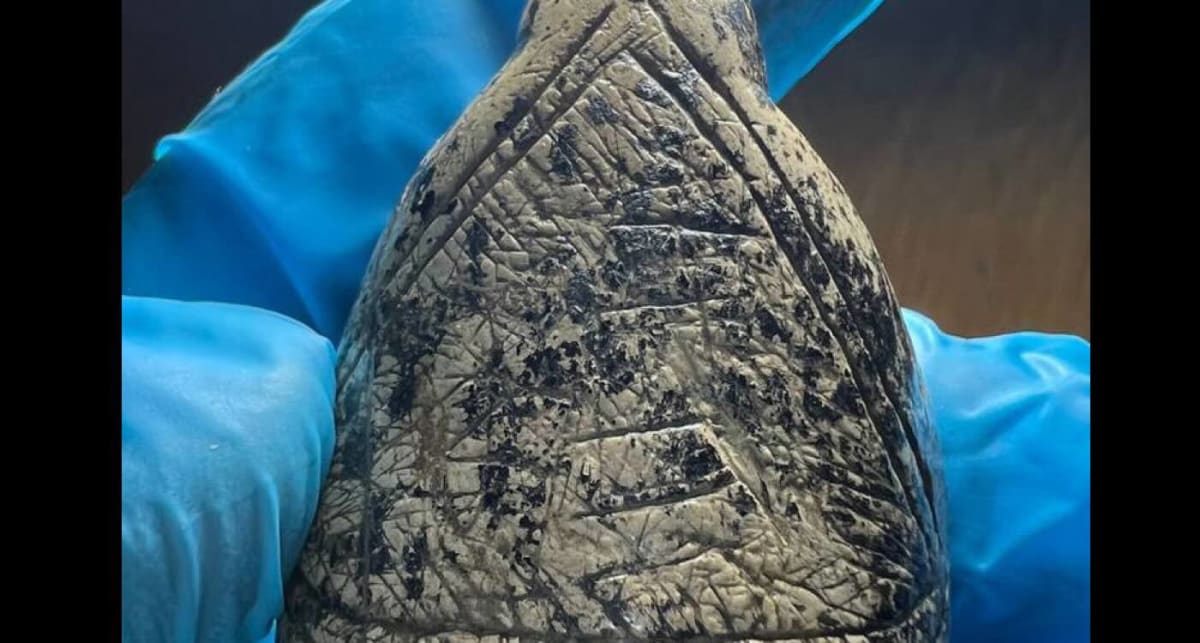
A fossil bone smaller than your thumb, tucked away in a museum drawer for 70 years, has just introduced scientists to a species that hopped around Los Angeles during the Ice Age.
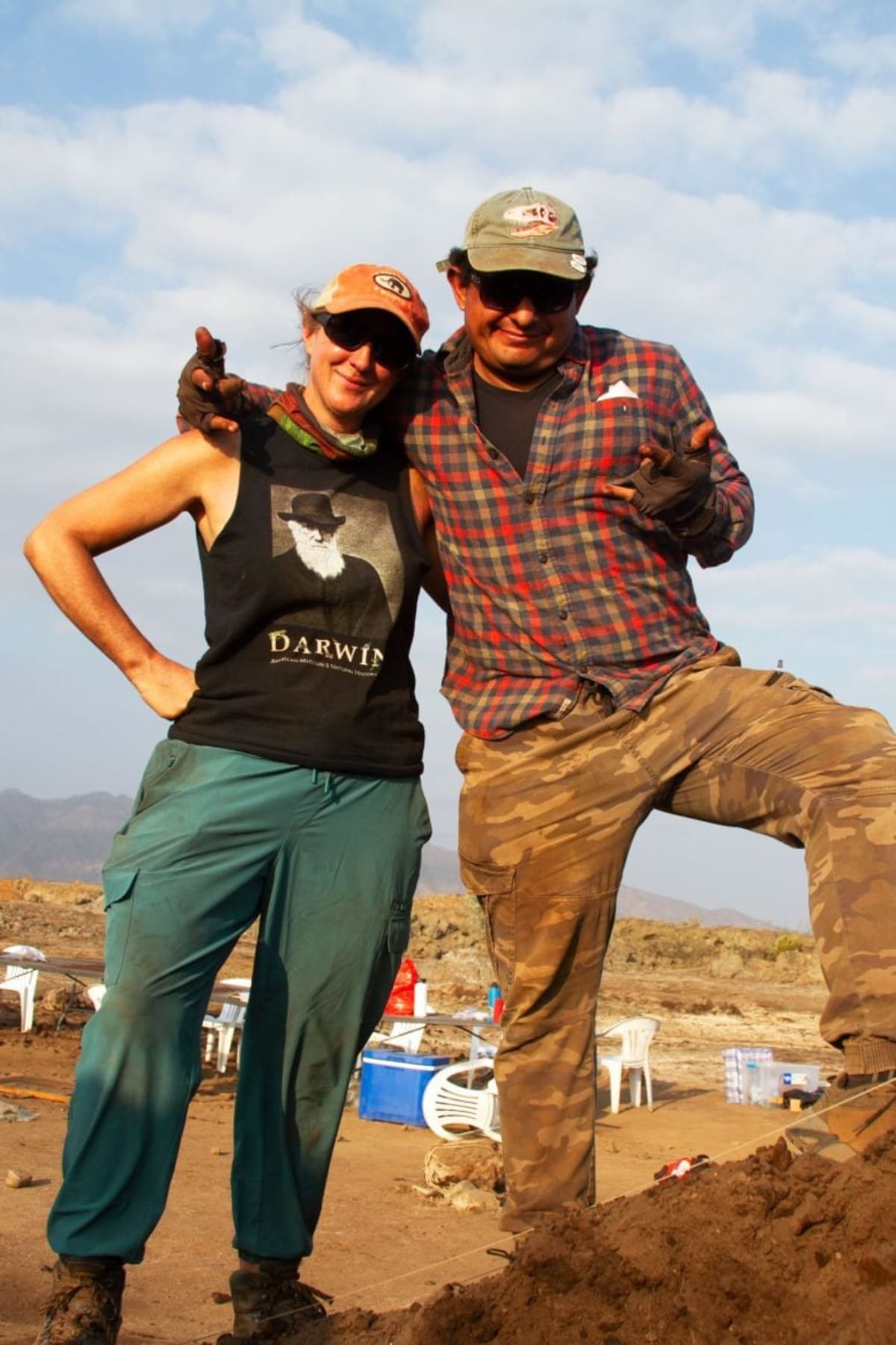
Dr. Alberto Cruz wasn't even looking for new species when he stumbled upon the discovery. The paleoecologist was reviewing La Brea Tar Pits' collection of reptiles and amphibians when one tiny bone caught his eye.
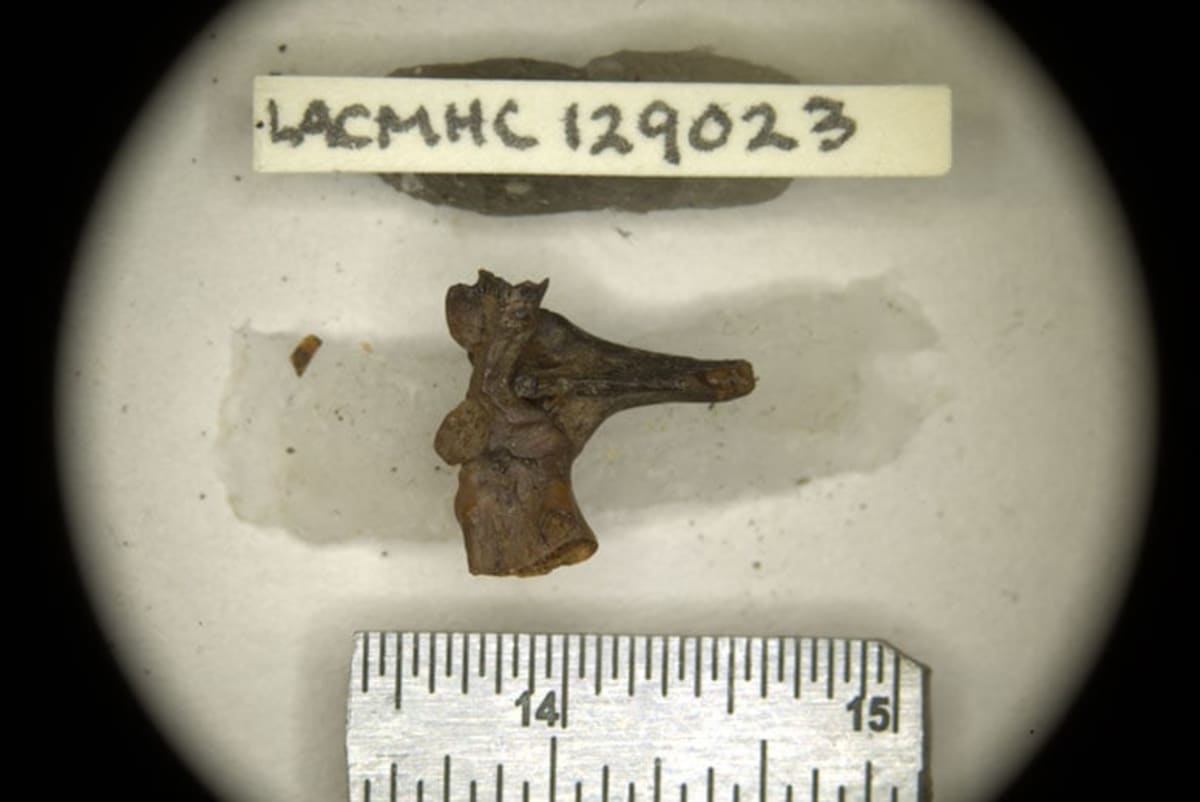
The specimen was an incomplete sacro-urostyle, the bone at the base of a toad's spine where it connects to the hips. Something about its shape didn't match any known spadefoot toad.
Cruz's first thought wasn't excitement but caution. Maybe the unusual anatomy came from disease or an injury, not a different species.
He spent months comparing the fossil to 80 living specimens held at the Natural History Museum of Los Angeles County and UC Berkeley's Museum of Vertebrate Zoology. Eventually, the evidence became undeniable.
"I reviewed and reviewed a lot of specimens until I was convinced," Cruz says. "I thought, 'Oh my gosh, this is a new species.'"
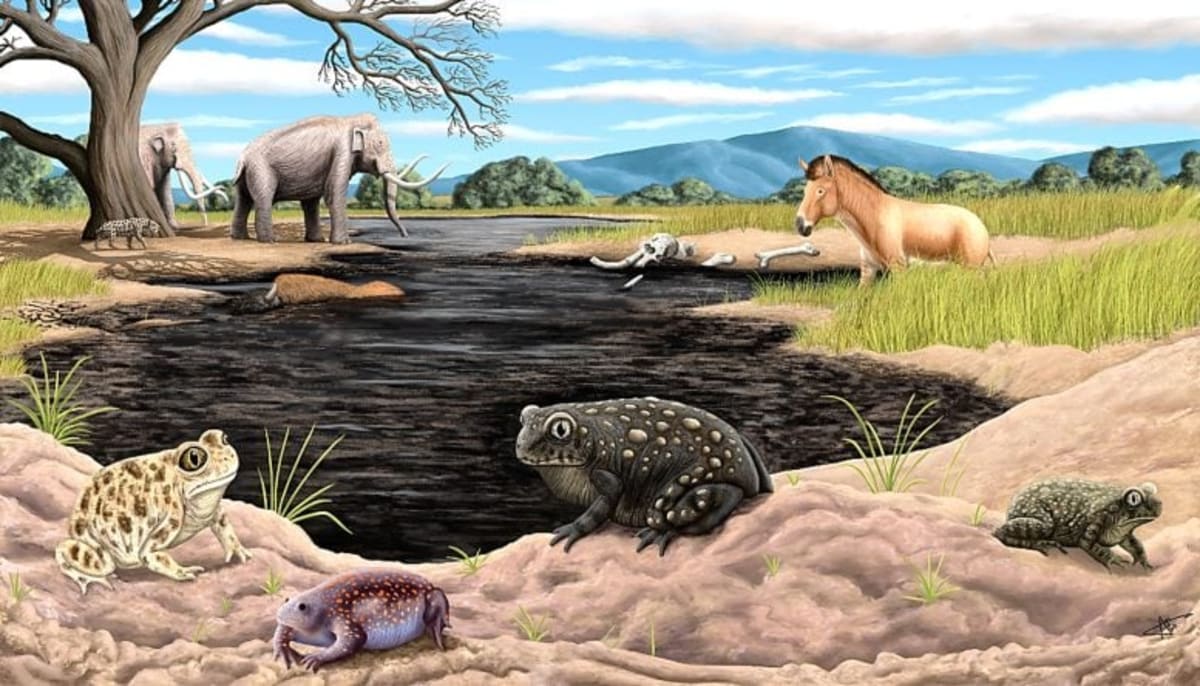
The team named it Spea labreae after its famous home. The discovery, published in the Journal of Vertebrate Paleology, marks the first new species of extinct amphibian found from Ice Age Los Angeles.
Only one other extinct Ice Age amphibian has ever been reported from North America: a tree frog from Florida. That makes this find exceptionally rare.
The Bright Side
While La Brea is famous for its mammoths and saber-toothed cats, these tiny amphibians actually tell scientists more about ancient local conditions. Frogs and toads don't travel enormous distances, so finding one provides unusually precise clues about the habitat and climate of that exact spot.
"If you change the environment, you change the vegetation, the climate is warmer or colder, it affects these animals directly," Cruz explains.
The discovery also highlights why old museum collections remain scientific gold mines. New questions and fresh expertise can transform specimens that seemed ordinary decades ago into evidence for species no one knew existed.
"It's a great example of how we're still finding new things at La Brea Tar Pits, even after a century of ongoing excavation and research," says Dr. Emily Lindsey, Curator and Excavation Site Director. "There's definitely more to come."
The scarcity of fossil amphibians raises another possibility: Spea labreae may represent just a fraction of the small creatures that disappeared during the Ice Age without leaving durable enough remains to be discovered.
Sometimes the smallest bones tell the biggest stories about our planet's past.
More Images

Based on reporting by Google: fossil discovery
This story was written by BrightWire based on verified news reports.
Spread the positivity!
Share this good news with someone who needs it