Ice Age Artists Copied Mammoth Tusks to Create Ancient Art
Scientists discovered that 18,000-year-old figurines from Ukraine reveal Ice Age artists deliberately mimicked natural growth patterns in mammoth tusks. The finding challenges long-held beliefs about how prehistoric art evolved across Europe.
Stone Age artists weren't just carving mammoth ivory. They were celebrating it by weaving the tusks' natural patterns into their designs.
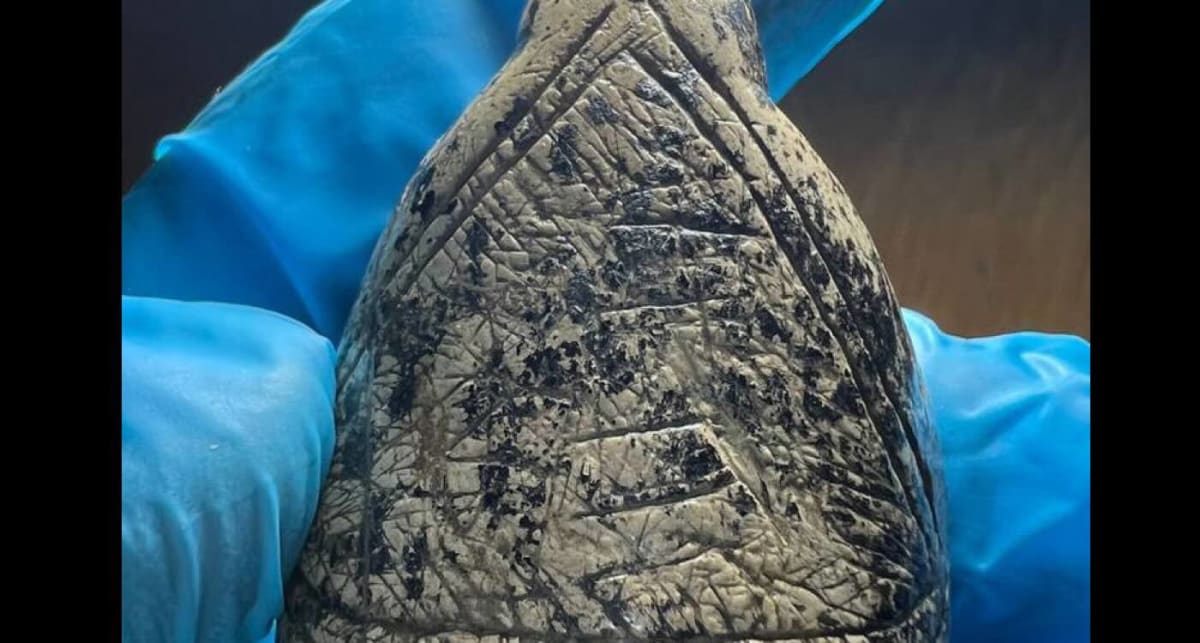
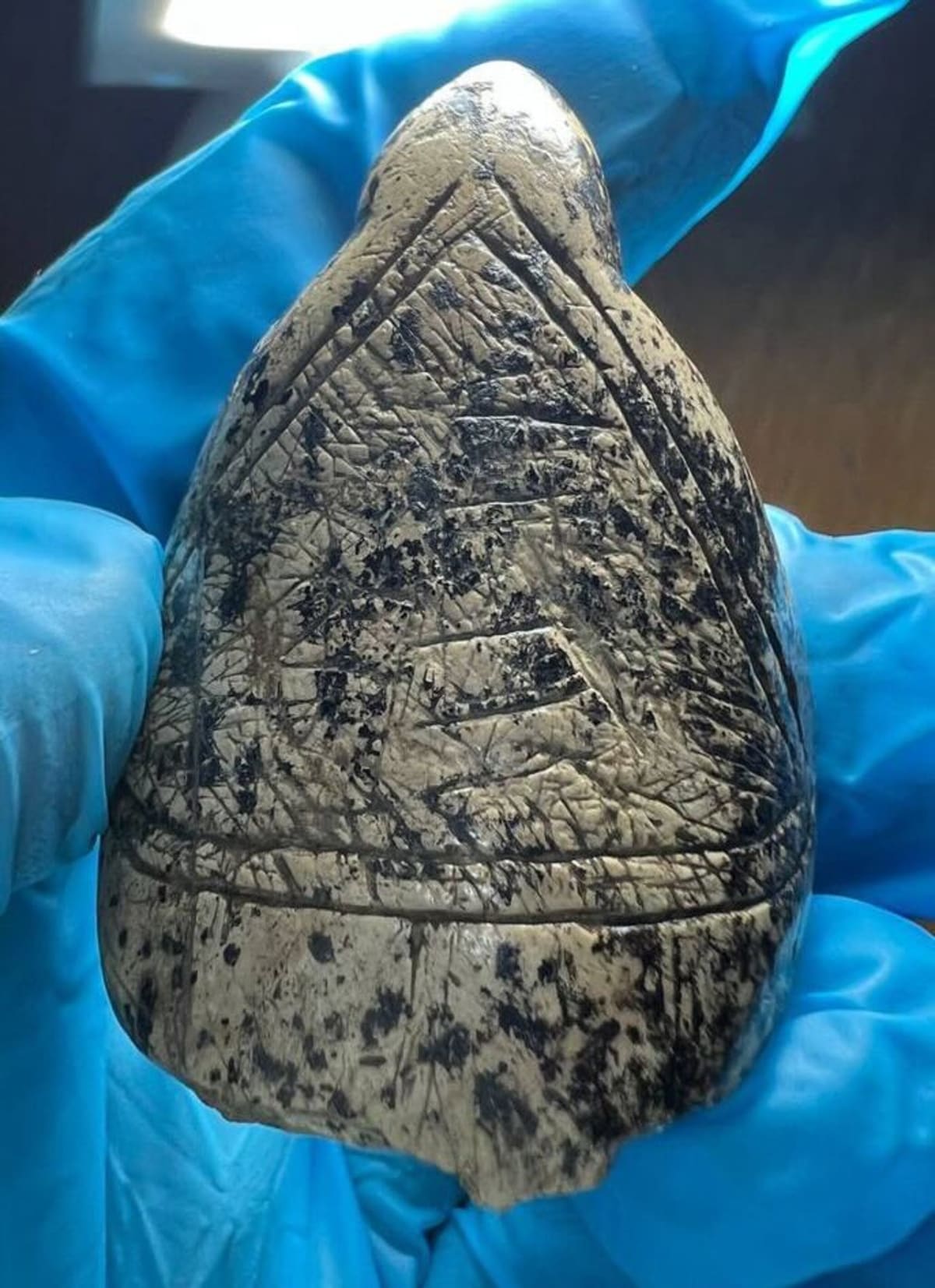
Researchers analyzing 18 Venus figurines found in Mizyn, Ukraine, made a stunning discovery. The ancient craftspeople deliberately incorporated the growth rings and natural lines visible in mammoth tusks into the decorative patterns on their figurines.
The team used high-resolution microscopic analysis and 3D digital modeling to study the 18,000-year-old artifacts. They found that carvers explicitly worked Schreger and Owen lines, the natural growth rings in mammoth tusks, into the surface engravings of the figures.
Dr. Aimée Little from the University of York called it an extraordinary window into Paleolithic life. The discovery shows how deeply mammoths were integrated into artistic traditions, not just as raw material but as inspiration.
The research was especially meaningful given current circumstances. Access to the physical artifacts at the National Museum of History of Ukraine in Kyiv was limited due to ongoing conflict, making digital scanning crucial for preservation and future study.
Why This Inspires
This discovery rewrites our understanding of prehistoric creativity. These weren't simple craftspeople following basic patterns passed down from Western Europe.
The research revealed that figurine-making stopped across Europe for 1,000 to 3,000 years during the Last Glacial Maximum, the coldest part of the last Ice Age. When it resumed around 18,000 years ago, it started earlier in Eastern Europe than in the West.
Dr. Andrew Needham explains that while later Western European styles also featured abstracted female forms, none reproduced the internal tusk patterns seen at Mizyn. Ice Age artists in Eastern Europe forged their own independent artistic path.
Dr. Dmytro Kiosak from the Leibniz Centre for Archaeology says the findings challenge assumptions that ancient art simply evolved in a straight line from basic to complex. The Mizyn artists showed sophisticated observation skills and creative vision, choosing to honor the natural world in their work.
Dr. Simon Radchenko believes future digital research will reveal an even more complex and intriguing picture of how artistic expression emerged and developed across Europe.
These ancient artists saw beauty in the materials they worked with and made it part of their story.
More Images



Based on reporting by Good News Network
This story was written by BrightWire based on verified news reports.
Spread the positivity!
Share this good news with someone who needs it