Ancient Cooling Tricks Could Save Modern Homes From Heat
Architects are rediscovering centuries-old building techniques that keep homes cool without air conditioning, offering a lifeline as power grids strain under climate extremes. From Greek white-washed homes to Persian wind towers, these time-tested solutions could cut energy bills in half while protecting families when the power goes out.
For thousands of years, people kept their homes cool without flipping a switch. Now, as heat waves push modern buildings to the breaking point, architects are racing to bring those ancient solutions back.
Greek islanders painted their homes brilliant white for a reason that had nothing to do with Instagram. The reflective coating bounces sunlight back into space instead of letting it seep into walls and ceilings. In Iran, towering wind catchers called badgirs have channeled desert breezes through homes for millennia, while Malaysian families built their houses on stilts to catch airflow and dodge floods.
These weren't just clever tricks. They were survival strategies that worked beautifully until we forgot about them.
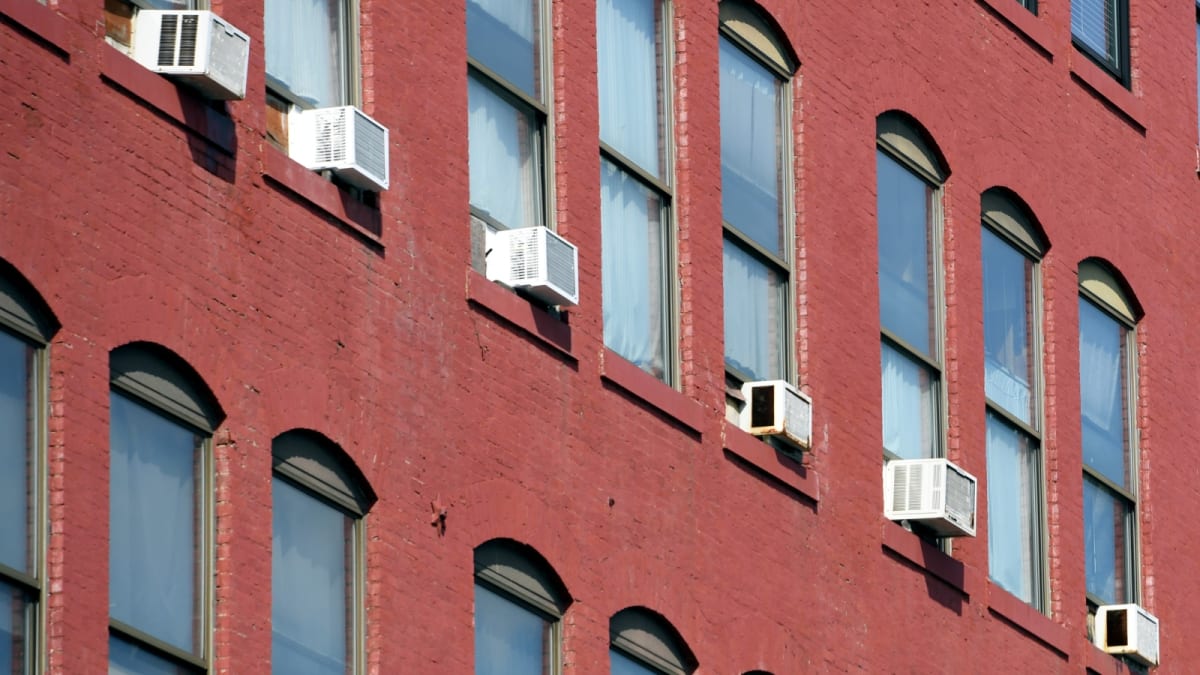
After World War II, cheap air conditioning changed everything in America. Builders could suddenly construct identical homes from Phoenix to Miami without worrying about local climate. AC units made it possible, and for decades, that seemed like pure progress.
But last summer exposed a dangerous vulnerability. When a heat wave killed at least 1,300 people across Europe and power grids buckled under the strain in the eastern United States, millions of modern buildings turned into ovens the moment electricity failed.
Alexander Gard-Murray, who leads Passive House Massachusetts, puts it bluntly. In most American homes, if you lose power during extreme heat, you have just hours before you need to evacuate.
The solution isn't ditching air conditioning. It's building smarter from the start so AC works as backup, not life support.
Some strategies sound almost too simple to matter. Don't orient your house to face the blazing afternoon sun. Plant trees for shade. Add awnings over windows. Replace heat-absorbing asphalt driveways with gravel that stays cooler.
Other techniques require more planning. Thick shutters, ventilated courtyards, and proper insulation create natural defenses against temperature extremes. These "passive house" designs keep homes comfortable with far less energy, slashing electricity bills by up to 50 percent.
The real payoff comes during emergencies. Buildings designed with natural cooling don't become death traps when the grid fails. They buy families time, keeping indoor temperatures survivable for days instead of hours.
The Bright Side
Cities and builders are finally listening. Miami architect Sonia Chao notes that after decades of copy-paste construction, designers are rediscovering the importance of building for specific climates. South Florida homes are starting to look different from Arizona houses again, incorporating features like raised foundations that once defined regional architecture.
This isn't about returning to a pre-AC world. It's about combining the best of ancient wisdom with modern technology to create homes that protect us no matter what happens. When your house can handle heat without constant mechanical cooling, you're not just saving money or helping the stressed electrical grid.
You're ensuring your family stays safe when the unexpected strikes, which in our changing climate, is becoming more expected every year.
More Images



Based on reporting by Grist
This story was written by BrightWire based on verified news reports.
Spread the positivity!
Share this good news with someone who needs it