MIT Cracks Code for Brighter, Longer-Lasting TV Screens
MIT researchers just solved a problem that's held back next-generation TV displays for 20 years. A simple resin coating makes quantum dot screens 5,000 times more durable while using less energy and showing richer colors.
Your next TV could last decades longer, use less electricity, and display colors more vivid than anything you've seen before, thanks to a breakthrough from MIT scientists working with Samsung.
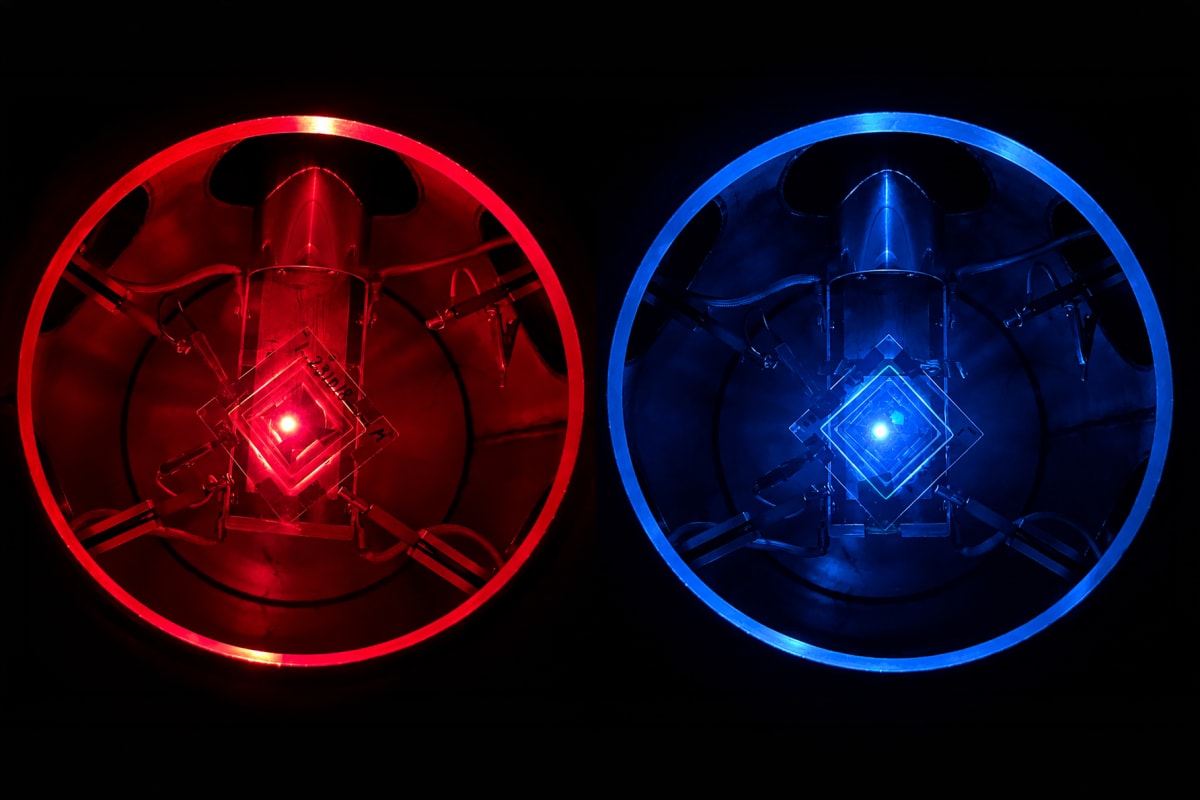
Researchers discovered that coating quantum dot LEDs with a simple acrylate resin extends their lifespan by up to 5,000 times. These tiny particles create incredibly pure colors while using far less energy than current screens, but they've been too fragile for commercial use until now.
The team focused on solving "the blue bottleneck," a frustrating problem where blue quantum dots burned out 50 to 100 times faster than red and green ones. Without stable blue light, the entire display fails within months instead of lasting years like traditional screens.
Vladimir Bulović, who directs MIT.nano and has spent decades perfecting quantum dot technology, calls this a transformation in how we produce displays and lighting. His earlier work helped launch the first quantum dot displays through the startup QD Vision, which Samsung acquired in 2016.
Graduate student Ruiqi Zhang led the investigation into what makes blue quantum dots so unstable. The team developed new techniques to observe microscopic changes happening inside the LEDs during operation, revealing exactly why the dots degraded so quickly.
The solution turned out to be surprisingly straightforward. By encapsulating the quantum dots in resin using a scalable manufacturing process, they prevented the physical breakdown that shortened device lifespans. The protective layer keeps the dots stable while maintaining their exceptional color quality and efficiency.
This builds on Nobel Prize-winning work by MIT chemistry professor Moungi Bawendi, who shared the 2023 Nobel Prize in Chemistry for discovering and synthesizing quantum dots. His foundational research made these nanoscale particles possible in the first place.
The Bright Side
Beyond better TVs, this breakthrough opens doors for paper-thin displays in augmented and virtual reality headsets, medical imaging devices that show clearer diagnostics, and even large-area ambient lighting that transforms entire walls into efficient light sources.
The technology could make smartphones more battery-efficient while displaying richer colors for photos and videos. Medical professionals might soon use quantum dot displays that reveal subtle details in scans that current screens miss.
Most exciting is how the researchers understand not just that the resin works, but why it works at the molecular level. This knowledge means they can now fix every remaining obstacle holding back commercial quantum dot LED displays.
The team used simple, affordable materials and processes that manufacturers can easily scale up for mass production. There's no exotic chemistry or expensive equipment standing between this lab discovery and your living room.
After two decades of promise, quantum dot displays that are electrically excited could finally deliver on their potential to revolutionize how we see digital content and light our spaces with unprecedented purity and efficiency.
Based on reporting by MIT News
This story was written by BrightWire based on verified news reports.
Spread the positivity!
Share this good news with someone who needs it