Ancient DNA Shows Romans and Neighbors Merged After Empire Fell
New genetic evidence reveals that when the Roman Empire collapsed, two distinct groups peacefully blended together rather than clashing. The discovery challenges centuries of assumptions about the "fall" of Rome being a violent catastrophe.
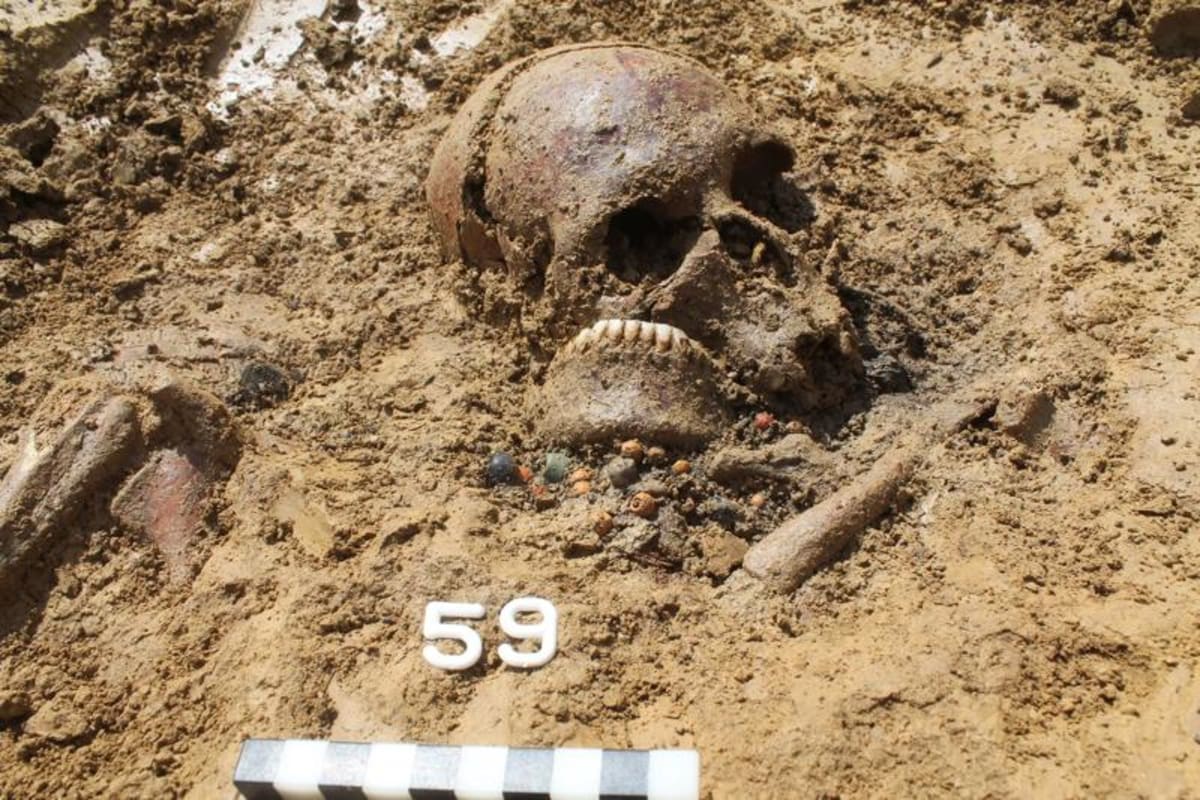
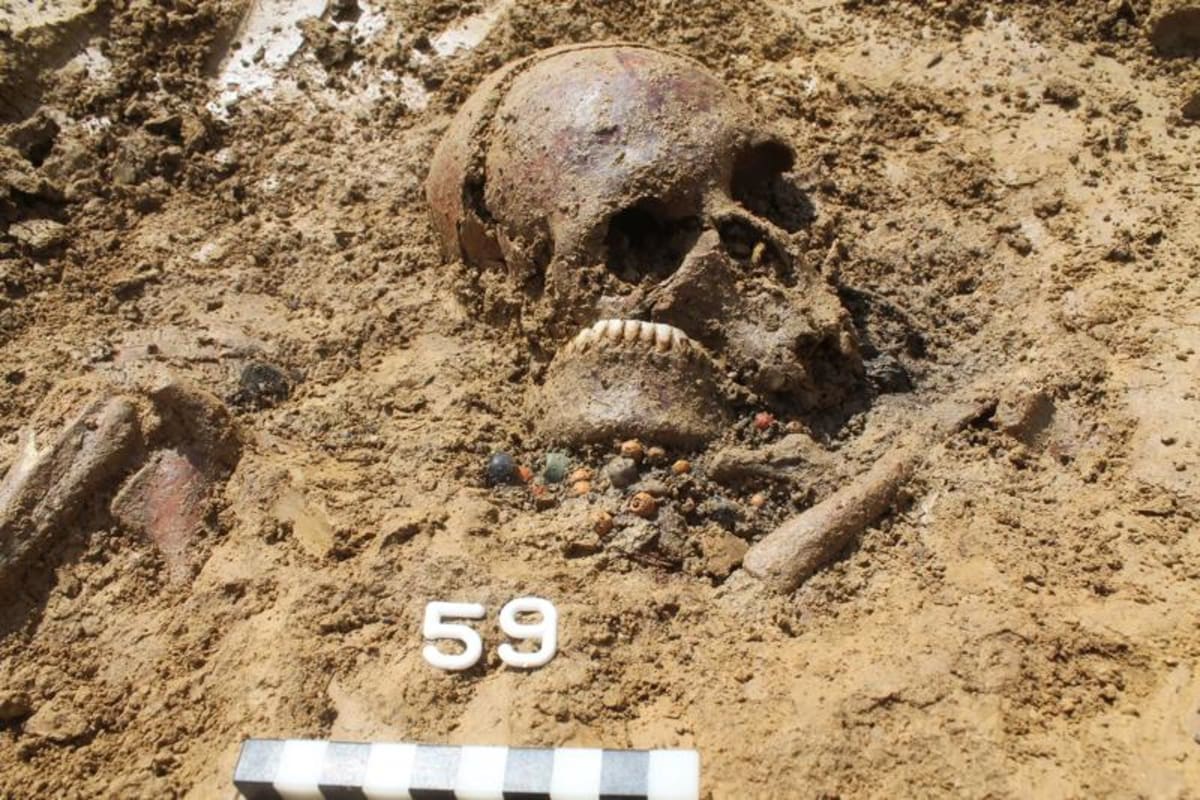
The fall of the Roman Empire wasn't the catastrophic clash of civilizations we've been taught. Ancient DNA from 258 people buried in southern Germany shows something far more hopeful: two different communities came together and created something new.
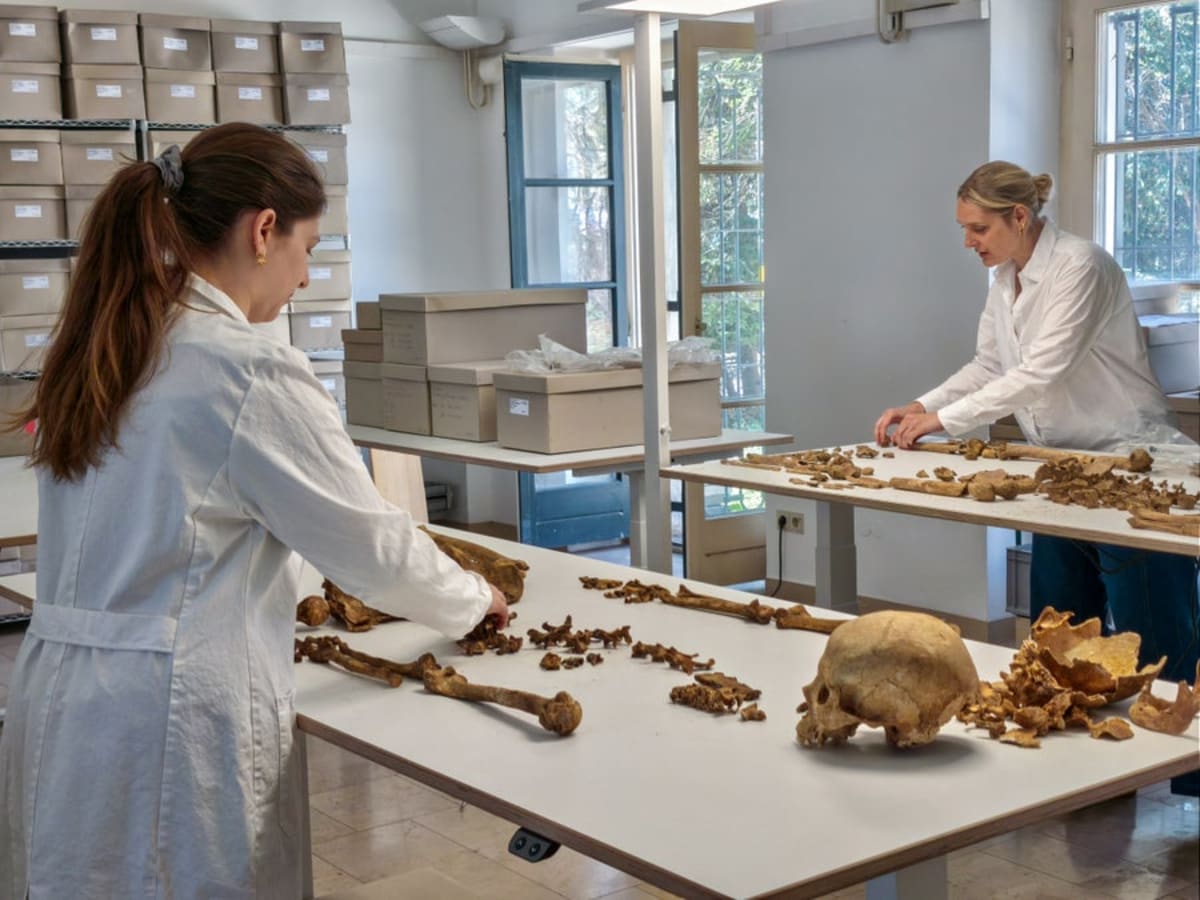
For centuries, historians portrayed Rome's collapse in 476 C.E. as barbarian hordes destroying civilization. But geneticists at Johannes Gutenberg University Mainz discovered the real story was "actually more a story of peaceful integration," says lead researcher Joachim Burger.
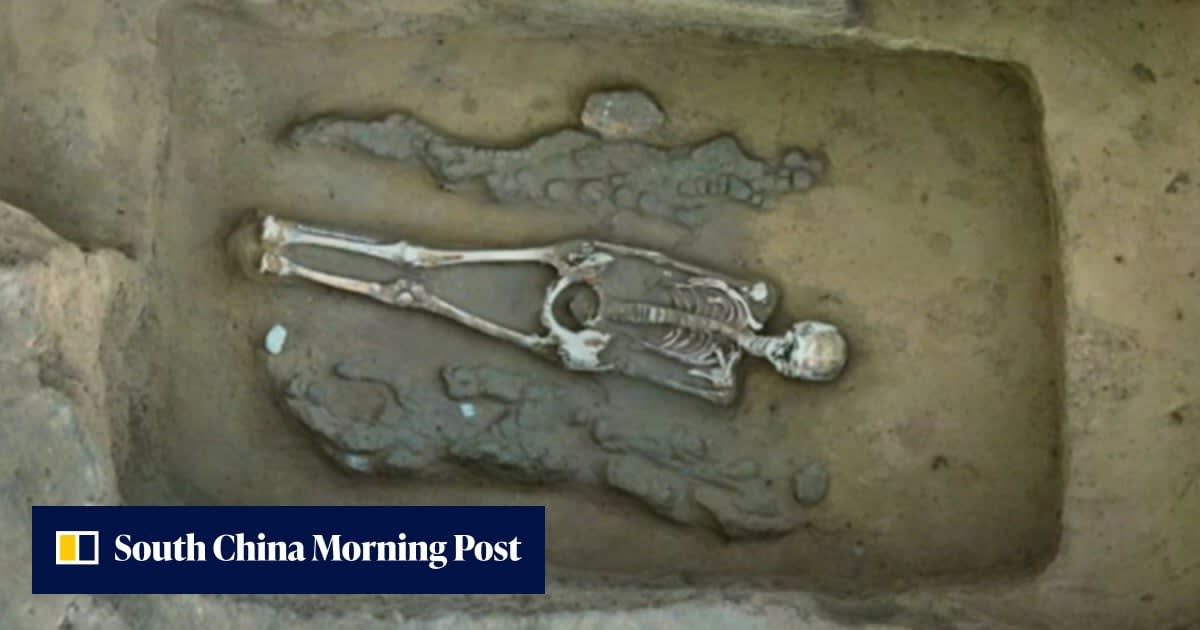
The scientists analyzed graves dating from 400 to 660 C.E. along what was once the Roman Empire's northern border. They found two genetically distinct groups: Roman soldiers carrying DNA from Italy and southeastern Europe, and locals with ancestry from northern Germany, Denmark, and the Netherlands.
Before Rome fell, these groups lived near each other but rarely mixed. Their DNA and burial practices stayed separate, suggesting they maintained distinct identities even as neighbors.
Everything changed after 476 C.E. The genetic evidence shows the communities began intermarrying and blending their cultures. Families with mixed ancestry were buried side by side in perfectly parallel rows, a practice that started with the northern communities but became everyone's tradition.
The graves tell an even deeper story about family life. The burial sites emphasize monogamy and nuclear families, practices borrowed from late Roman culture and even written into Roman law. "Late antiquity isn't actually finished; it's just transforming into a new, less urban and more agricultural society," Burger explains.
The Bright Side
This discovery rewrites our understanding of cultural change during uncertain times. Instead of destruction, these communities showed that different groups can come together and create shared traditions that honor both heritages.
The family bonds visible in these graves were remarkably tight, stronger than similar post-Roman communities elsewhere in Europe. Professor Toomas Kivisild from KU Leuven, who wasn't involved in the research, notes that "the kinship intensity in those cemeteries is far less intense" in other regions compared to these southern German sites.
These 1,500-year-old graves remind us that transformation doesn't require violence, and endings can be beginnings in disguise.
More Images

Based on reporting by Scientific American
This story was written by BrightWire based on verified news reports.
Spread the positivity!
Share this good news with someone who needs it
%2Fhttps%3A%2F%2Ftf-cmsv2-smithsonianmag-media.s3.amazonaws.com%2Ffiler_public%2Fcb%2Ff0%2Fcbf09863-7b51-4a6e-9146-18afe0ba8b81%2Ftomb2.png)
%2Fhttps%3A%2F%2Ftf-cmsv2-smithsonianmag-media.s3.amazonaws.com%2Ffiler_public%2F75%2F34%2F75342ac4-0f4b-4563-a63d-3012f0feae31%2Fgettyimages-2293659629.jpg)