Ancient Fossils Push Animal Evolution Back 4 Million Years
Scientists discovered over 700 fossils in China that rewrite when complex animal life began, proving our distant ancestors evolved millions of years earlier than we thought. The finding solves a mystery that's puzzled researchers for decades.
A treasure trove of ancient fossils in southwest China just rewrote the story of how complex life began on Earth, and it turns out we've been getting the timeline wrong by millions of years.
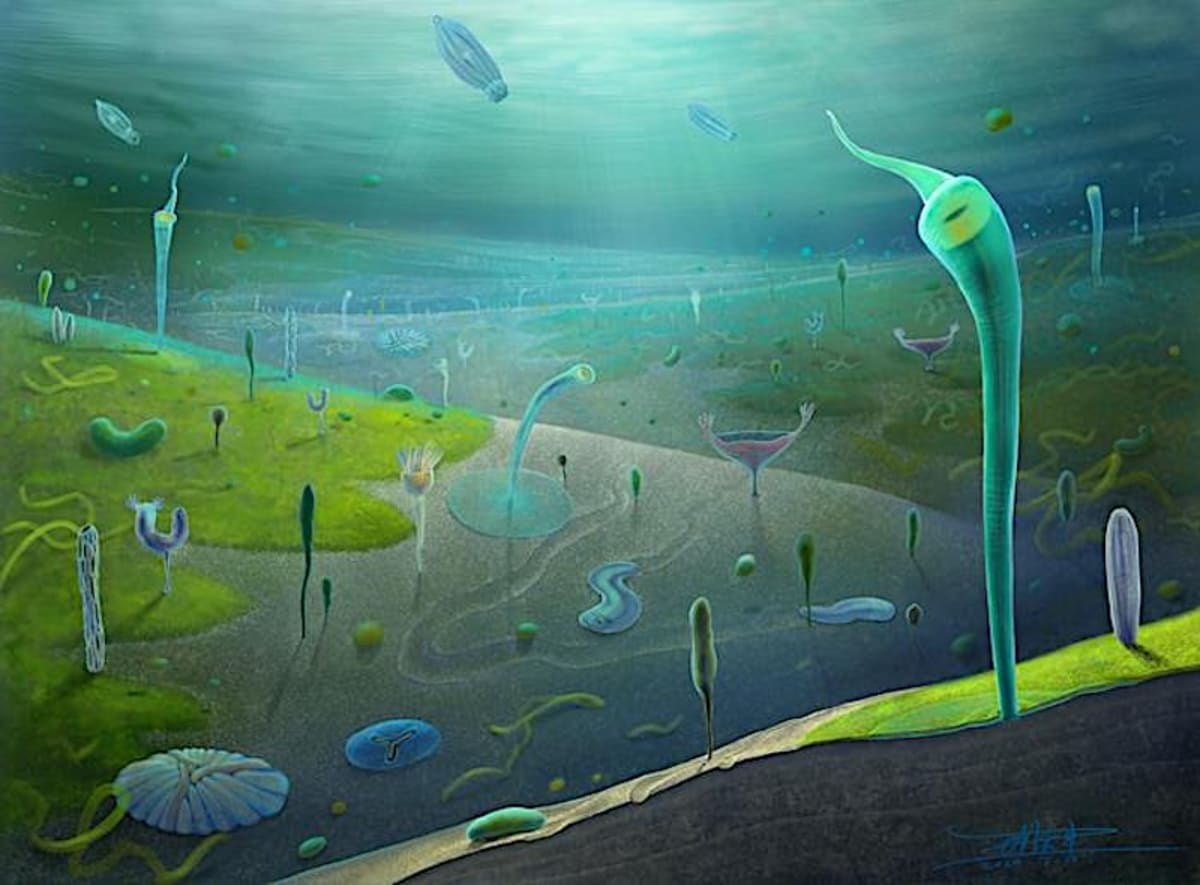
Researchers from Oxford University and Yunnan University discovered over 700 incredibly preserved fossils in Yunnan Province, dating back between 554 and 539 million years ago. These aren't just old rocks with imprints. They reveal intricate details like feeding structures, guts, and movement organs that show complex animals existed way before scientists thought possible.
The discovery pushes back the origins of complex animal life by at least 4 million years, into a period called the Ediacaran. Until now, scientists believed the "Cambrian explosion," when simple life forms rapidly evolved into diverse, complex animals, started around 535 million years ago.
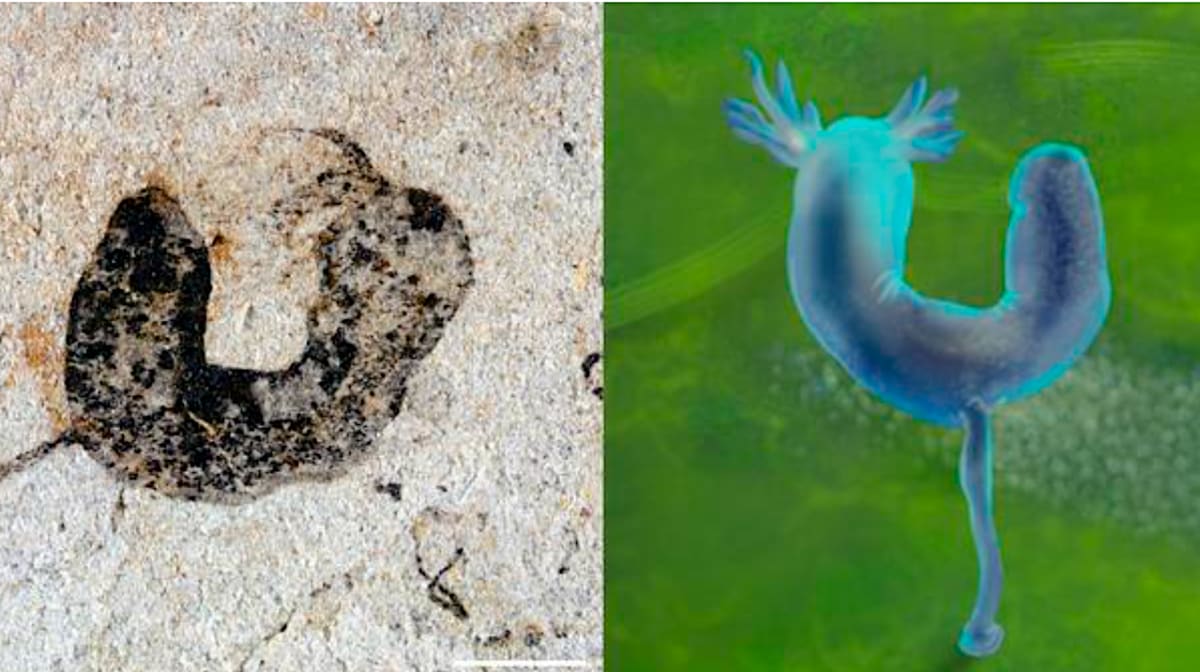
Among the most exciting finds are the oldest known ancestors of deuterostomes, the group that eventually led to all vertebrates, including humans and fish. The team found ancient relatives of modern starfish and acorn worms, complete with U-shaped bodies, stalks that attached them to the seafloor, and tentacles for catching food.
Dr. Gaorong Li, who led the study, explains that this discovery closes a major gap in understanding animal evolution. "For the first time, we demonstrate that many complex animals, normally only found in the Cambrian, were present in the Ediacaran period," he said.
The fossils also include weird creatures that don't match anything we've seen before. One specimen, according to researcher Dr. Frankie Dunn, looks like "the sand worm from Dune!" These strange animals show combinations of features like tentacles, feeding structures that turn inside out, and attachment discs that create a bridge between two very different eras of life on Earth.
Why This Inspires
This discovery proves that patience and persistence in science pay off beautifully. Professor Fan Wei and his team spent nearly ten years searching for these fossils in rocks that everyone thought only contained ancient algae, not animals.
Their dedication solves a puzzle that's frustrated evolutionary biologists for years. Molecular studies suggested complex animals existed before the Cambrian explosion, but the fossil evidence was missing. It turns out those animals were there all along. They just weren't being preserved in a way we could see until now.
The exceptional preservation at this site, where organisms left carbonaceous films rather than simple impressions, reveals details that other Ediacaran fossil sites can't show. This means similar ancient communities might have existed worldwide but simply weren't preserved in rocks we can study.
The find reminds us that Earth still holds countless secrets waiting for curious minds willing to search long enough to find them.
More Images


Based on reporting by Google: fossil discovery
This story was written by BrightWire based on verified news reports.
Spread the positivity!
Share this good news with someone who needs it