Ancient Graffiti Reveals Everyday Voices From Pompeii
New technology is uncovering thousands of messages scratched into Pompeii's walls by everyday Romans, from enslaved women to bored soldiers. These spontaneous writings are giving historians a window into ordinary life nearly 2,000 years ago.
Imagine discovering the personal thoughts of people who lived 2,000 years ago, preserved forever on ancient walls like tweets frozen in time.
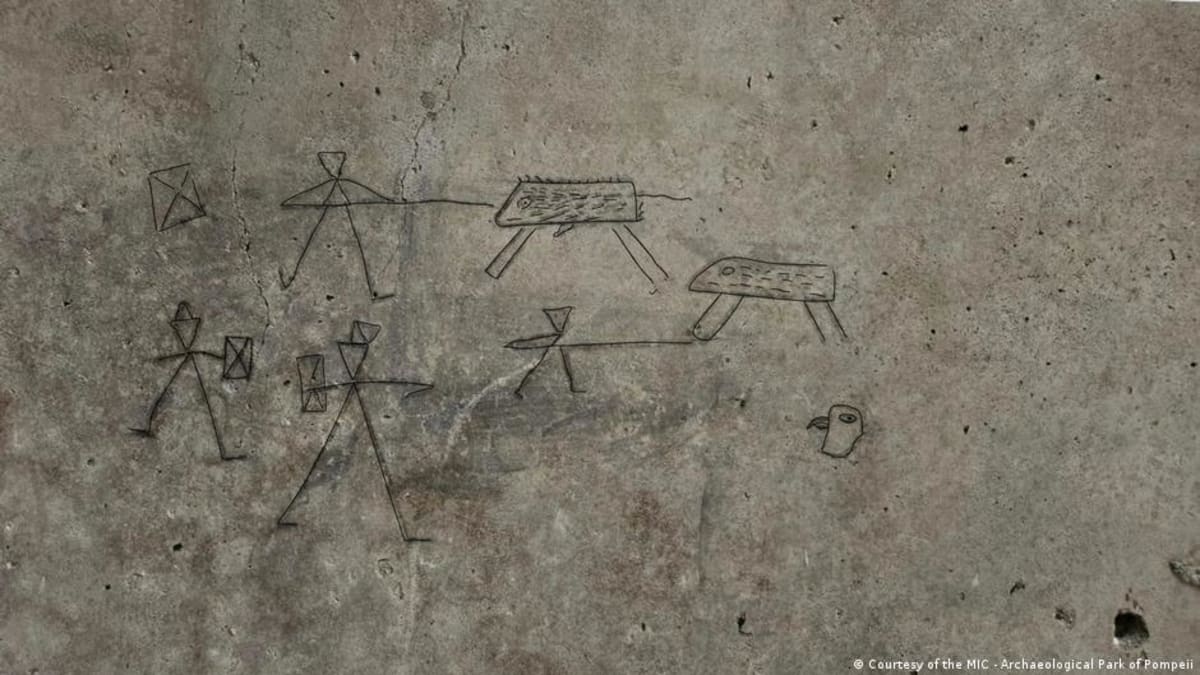
That's exactly what's happening in Pompeii, where researchers are using cutting-edge imaging technology to reveal graffiti that has gone unnoticed for centuries. When Mount Vesuvius erupted in AD 79, it buried the bustling city under meters of ash, accidentally preserving thousands of spontaneous messages scratched into plaster by regular people.
For over a century, these casual writings were dismissed as unimportant. Influential archaeologist August Mau declared in the 1800s that graffiti told us nothing of substance, comparing ancient scribblers to modern tourists carving their names into monuments. His opinion effectively shut down research into everyday Roman writing for more than 100 years.
But historians like Rebecca Benefiel saw things differently. She created The Ancient Graffiti Project, a digital platform cataloging these informal messages from across Pompeii and nearby Herculaneum. What her team discovered challenges everything we thought we knew about who got to leave their mark on history.
One of Benefiel's favorite finds is a prayer by an enslaved woman named Methe: "May Pompeian Venus be propitious in her heart to each of them and may they both live of one heart." Without that scratched message, Methe would have been completely lost to time.
Other graffiti shows Romans had a sense of humor. One writer got tired of seeing quotes from Virgil's famous epic poem everywhere, so they parodied the opening line. Instead of "I sing of arms and a man," they wrote: "I sing of dry cleaners and a hoot owl."
The Bright Side: New imaging technology called Reflectance Transformation Imaging uses special lighting to expose scratches invisible to the naked eye. Researchers recently examined one corridor near a theater that was supposedly fully documented and found 80 previously unknown inscriptions.
The messages reveal fascinating details about daily life. Someone documented overeating on October 17. Soldiers from the eastern Mediterranean left their names thousands of miles from home. People drew gladiators everywhere, apparently more interested in fighters than the theatrical performances happening nearby.
Unlike today's graffiti, these ancient messages stayed up for decades without anyone removing them. The writing was simply accepted as part of city life, giving us an unfiltered view of what ordinary Romans were thinking, joking about, and commemorating as they went about their days.
These aren't the voices of emperors or senators. They're the voices of everyone else, finally getting their turn to speak across the centuries.
More Images
Based on reporting by DW News
This story was written by BrightWire based on verified news reports.
Spread the positivity!
Share this good news with someone who needs it
%2Fhttps%3A%2F%2Ftf-cmsv2-smithsonianmag-media.s3.amazonaws.com%2Ffiler_public%2F81%2Fdd%2F81ddd40e-6ceb-4c0a-8b50-8faad9e7912c%2F3fgt4pc.jpg)
%2Fhttps%3A%2F%2Ftf-cmsv2-smithsonianmag-media.s3.amazonaws.com%2Ffiler_public%2Fcb%2Ff0%2Fcbf09863-7b51-4a6e-9146-18afe0ba8b81%2Ftomb2.png)