Ancient Indian Homes Beat Heat Without AC
Traditional Indian architecture kept homes naturally cool for centuries using courtyards, thick walls, and strategic design. Now architects are rediscovering these time-tested techniques to fight rising city temperatures.
Before air conditioning existed, Indian homes stayed comfortably cool even during scorching summers through brilliant design alone.
Traditional Indian houses were built with deep climate knowledge that turned buildings into natural cooling systems. From desert regions to coastal areas, architects positioned homes to catch breezes while blocking harsh sunlight through careful wall placement and shaded areas.
The secret started with materials. Builders used thick walls made from mud, stone, lime, and clay tiles that acted as thermal barriers. These walls slowed heat transfer during the day and released stored warmth slowly at night, keeping indoor temperatures remarkably stable.
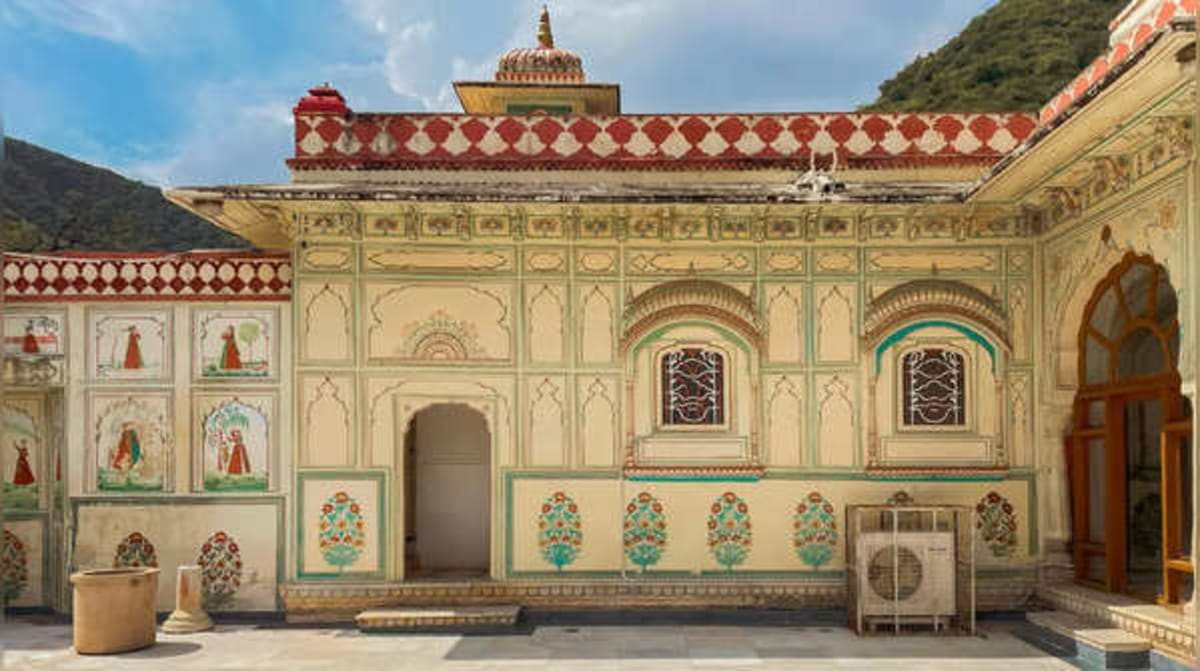
Courtyards became the heart of this cooling strategy. Hot air rose naturally through these open spaces while pulling cooler air from surrounding shaded rooms. When combined with plants and water features, courtyards transformed into powerful natural air conditioning systems.
Verandahs, jalis (decorative perforated screens), and sloping roofs added extra protection. These elements filtered sunlight, created shade, and allowed air to circulate freely throughout the home. The result was genuine thermal comfort without consuming any energy.
The Ripple Effect
Modern architects are now bringing these ancient techniques back to life. New buildings that prioritize natural ventilation, use climate-appropriate materials, and integrate shaded spaces are reducing air conditioning dependence significantly.
Real estate developers across India are blending traditional wisdom with contemporary needs. The approach creates homes that are more sustainable, energy efficient, and comfortable while cutting electricity costs for families.
As cities face increasing heat and energy challenges, these proven strategies offer a path forward. Smart design that works with nature instead of against it can transform how we build for the future.
Traditional Indian architecture proves that comfort doesn't require complex technology when thoughtful design does the work instead.
More Images



Based on reporting by Times of India - Good News
This story was written by BrightWire based on verified news reports.
Spread the positivity!
Share this good news with someone who needs it