German Startup's New Heat Pump Cuts Energy Use by 30%
A German company has created a revolutionary heat pump that ditches traditional compressors and harmful refrigerants, potentially slashing energy bills by nearly a third. The breakthrough uses electric fields and special materials instead of mechanical parts, opening doors to cleaner, more efficient home heating.
Imagine heating your home with a system that has no moving compressor, uses no climate-damaging refrigerants, and costs 30% less to run than what you have now.
That's exactly what Qurie GmbH, a startup spun off from Germany's Fraunhofer Institute, is bringing to life in Freiburg. Their solid-state heat pump replaces the bulky, inefficient technology that's been standard in homes for decades with something that sounds like science fiction but works in the real world today.
Traditional heat pumps compress and expand refrigerant gases to move heat around your home. It works, but it's far from perfect. Many of these refrigerants are already banned or soon will be because they damage the ozone layer or accelerate climate change. The ones that are safer often come with their own problems, like being highly flammable or requiring expensive, high-pressure systems.
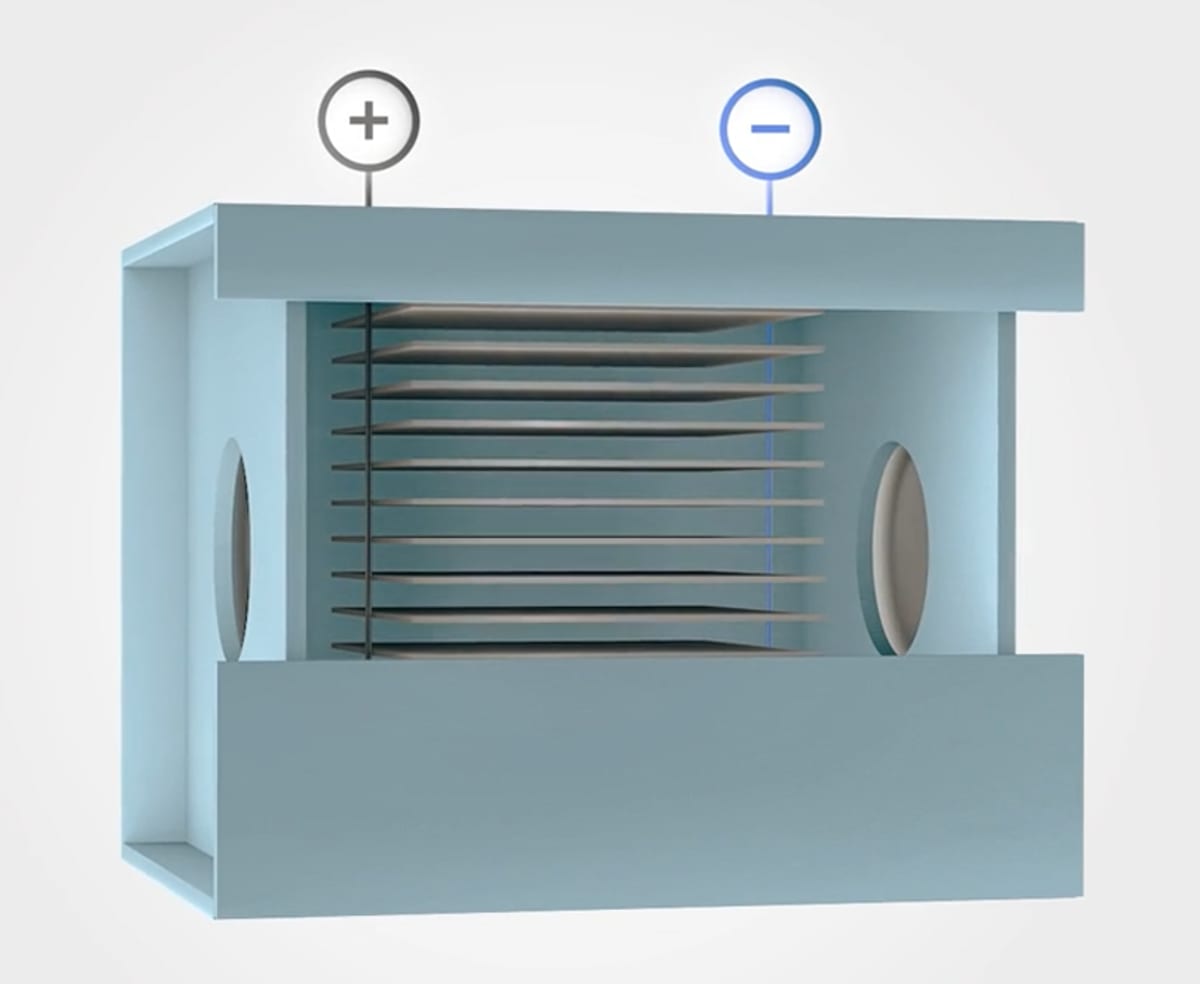
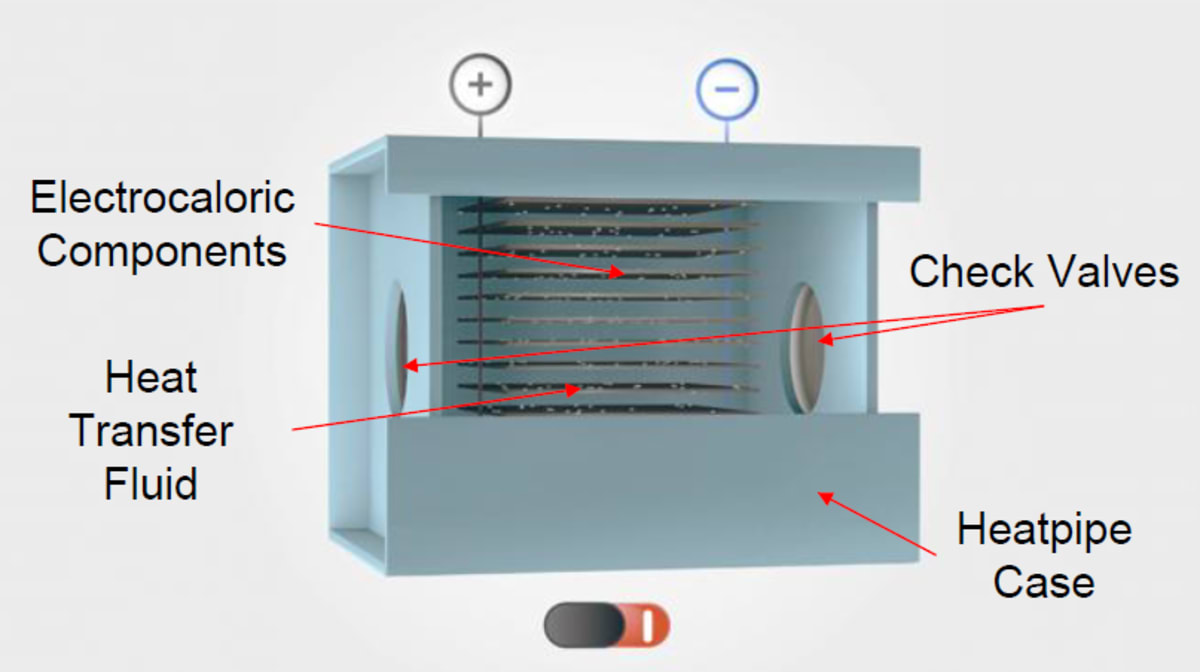
Qurie's system takes a completely different path. Instead of pumping gases around, it uses special materials that change temperature when electricity flows through them. These electrocaloric materials, either ceramics or special polymers, heat up when an electric field is applied and cool down when it's switched off.
The real magic happens in how they move that heat around. Co-founder Christian Vogel explains that traditional approaches using flowing liquids are painfully slow, managing only one or two heating cycles per second. Qurie replaced that sluggish system with heat pipes that use rapid evaporation and condensation, similar to how your body cools itself through sweating.
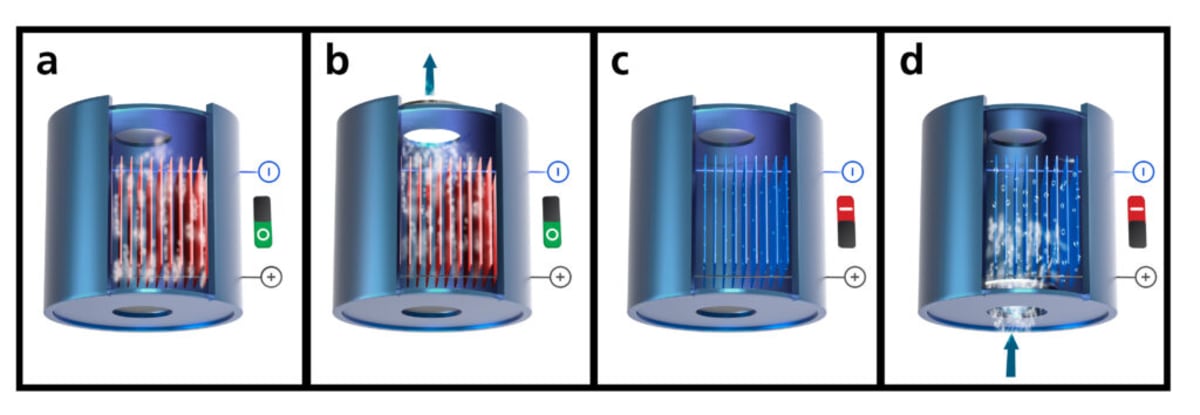
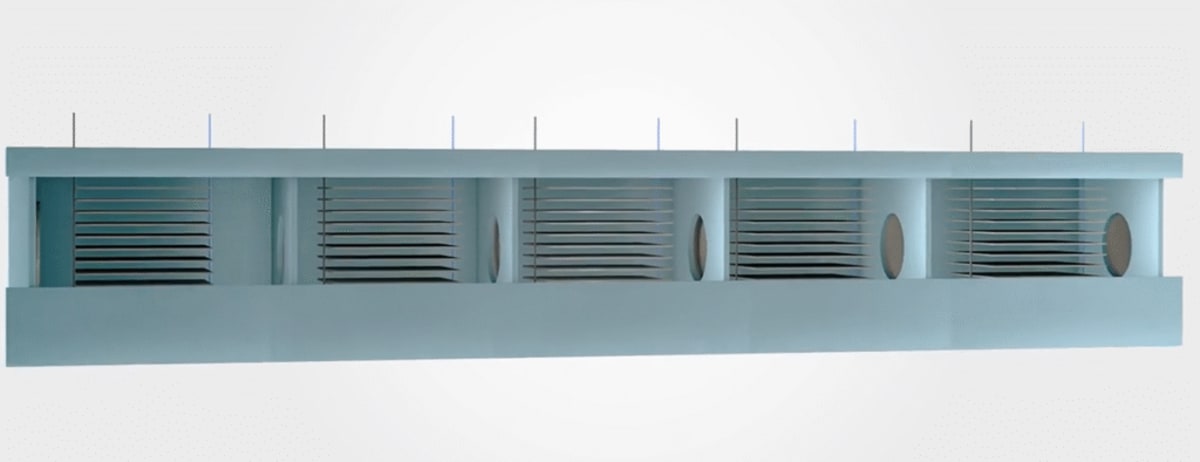
This lets their system run at 20 cycles per second, making it ten times faster than competing technologies. The material heats up, fluid evaporates and releases through a valve, then the material cools down and fresh cooler fluid rushes back in. By stacking multiple stages together, the system can handle the temperature jumps needed for real home heating, taking cold outdoor air at 5°C and delivering toasty warmth at 40°C.
The startup has already built working prototypes that visibly "breathe" as they cycle through heating and cooling. Their four-stage system generates real cooling power, proving the concept works outside the lab.
The efficiency gains are substantial. Where today's best heat pumps top out around 50% efficiency, Qurie's technology could theoretically hit 70%, translating to that 30% reduction in electricity use. For homeowners facing rising energy costs, that could mean hundreds of dollars saved each year while also shrinking their carbon footprint.
Why This Inspires
This isn't just an incremental improvement. It's a fundamental rethinking of how we heat and cool our homes. While other companies tinker at the edges of century-old compressor technology, Qurie looked at the problem fresh and found a path that's better for the planet, better for wallets, and actually simpler mechanically. The fact that they've moved from theory to working hardware shows this isn't pie-in-the-sky dreaming. Real alternatives to our energy-hungry appliances are coming, and they're being built right now in labs and workshops by people refusing to accept "good enough."
More Images

Based on reporting by PV Magazine
This story was written by BrightWire based on verified news reports.
Spread the positivity!
Share this good news with someone who needs it


