Robot Arm Cuts Solar Panel Install Time, Eases Labor Crunch
A new excavator-mounted robot is transforming solar farm construction by automating the backbreaking work of lifting and placing heavy panels. The system helps contractors build faster despite worker shortages while keeping crews safer.
Building a solar farm just got easier thanks to a robot that does the heavy lifting.
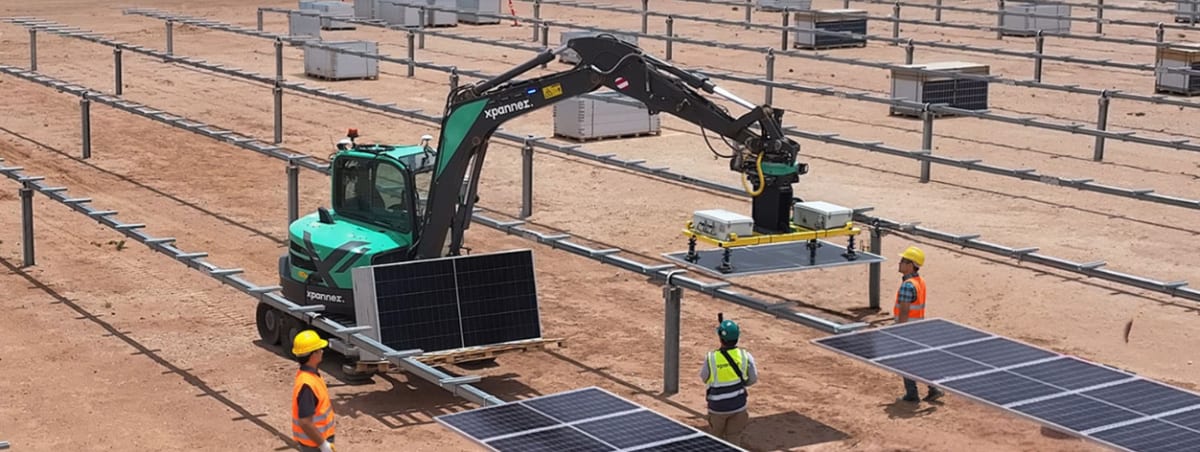
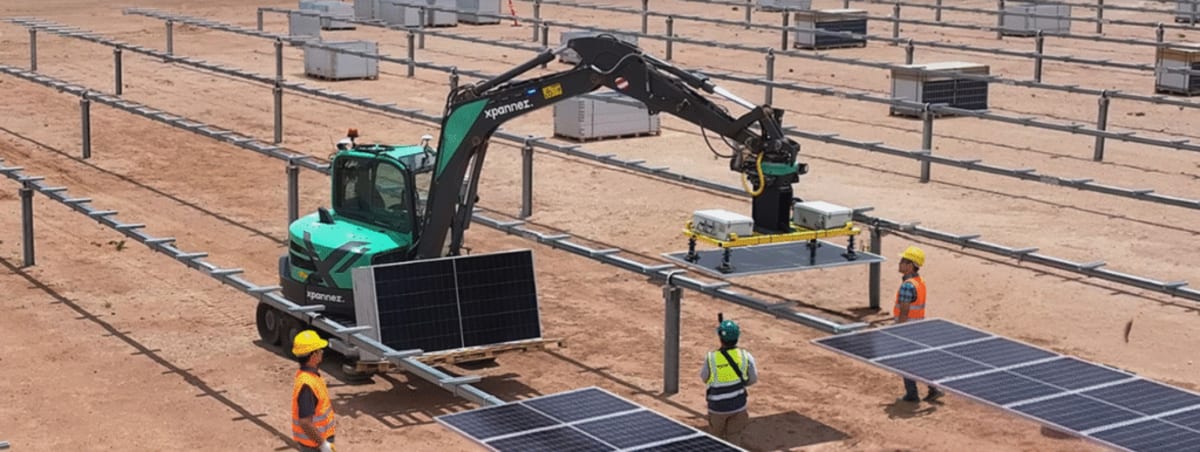
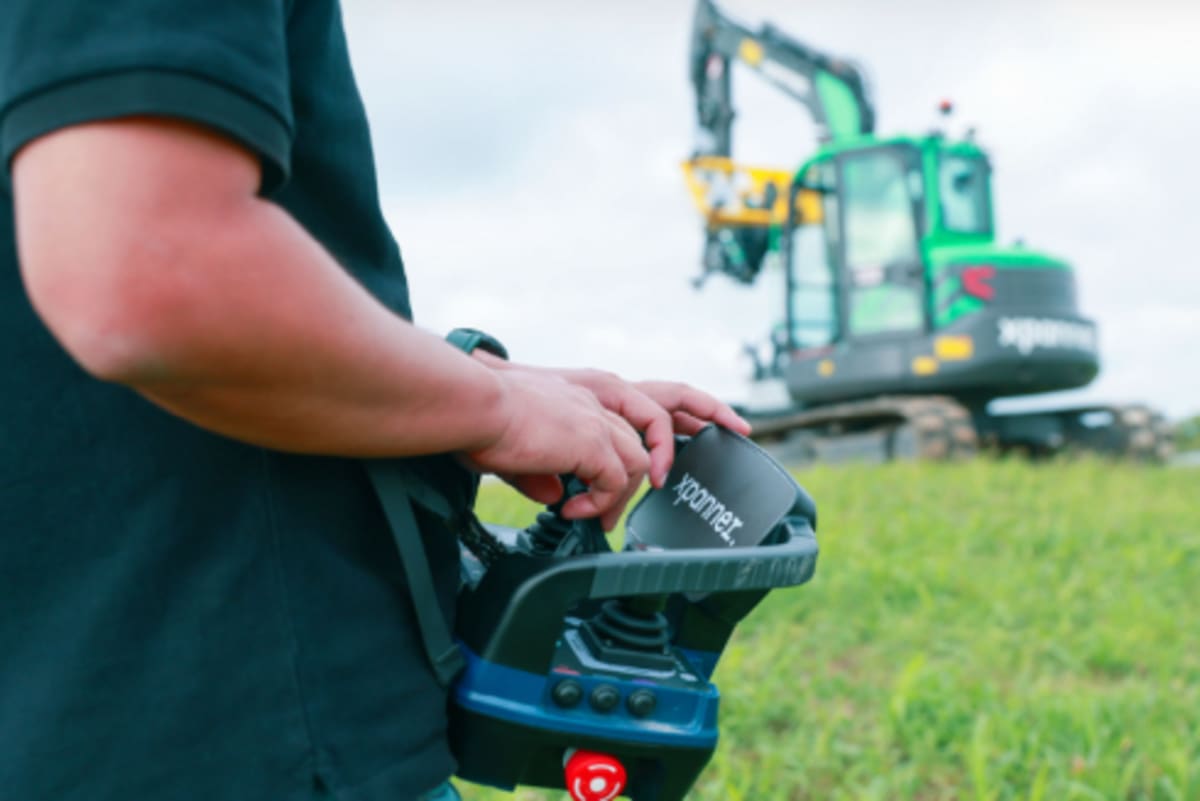
Xpanner, a US construction automation company, just released the X1 Panel Lift, a smart system that mounts onto regular excavators and automates one of solar construction's toughest jobs: moving and positioning heavy solar panels across massive project sites. The innovation addresses a critical bottleneck holding back renewable energy growth.
Until now, utility-scale solar projects relied on large crews to manually carry and place panels across thousands of installation points. The work is physically exhausting, slows down as workers tire, and requires constant training to keep projects on schedule. In today's tight labor market, finding enough skilled workers has become a major constraint on how fast solar farms can be built.
The X1 changes that equation completely. A single excavator operator can now handle the transport, lifting, and placement work that previously required multiple workers and separate machinery like forklifts or track loaders. The system uses a one-button workflow with a simple visual interface that requires no specialized training, making it easier for contractors to staff projects quickly.
Behind the scenes, powerful technology makes it all work. The system combines LIDAR, cameras, and GPS sensors to build a live 3D map of the construction site. This awareness lets the machine adapt to changing field conditions and maintain consistent productivity throughout the day, something human crews struggle with as fatigue sets in.
Instead of selling expensive equipment, Xpanner offers the X1 through an all-inclusive subscription that covers hardware, software, and hands-on support from their field operations team. Contractors get real-time dashboards showing production progress and fleet activity, plus expert help from setup through project completion.
The Ripple Effect
By shifting the physical strain from workers to machines, installation crews can focus on higher-skill tasks like alignment, fastening, and quality control. Workers stay out of the load path during lifts, reducing injury risk from repetitive strain and accidents.
The platform's design means contractors who adopt it today can receive new capabilities through software updates rather than buying new equipment. As solar energy races to meet climate goals, innovations like this help the industry scale faster without burning out its workforce.
Solar contractors can see the system in action at Xpanner's demo yard in Aledo, Texas, or at the 2026 Construction Tech Conference. The future of solar construction is arriving one automated lift at a time.
More Images


Based on reporting by PV Magazine
This story was written by BrightWire based on verified news reports.
Spread the positivity!
Share this good news with someone who needs it