Ancient Maine Apple Tree Solves 200-Year Fruit Mystery
A mystery apple tree on a Maine island turned out to be a lost ancestor to hundreds of modern varieties, unlocking secrets that could save America's apples from disease and climate change. Citizen scientists and DNA detectives teamed up to crack a case spanning centuries.
A routine DNA test at Washington State University turned into the discovery of a lifetime when geneticist Cameron Peace looked at his computer screen and froze.
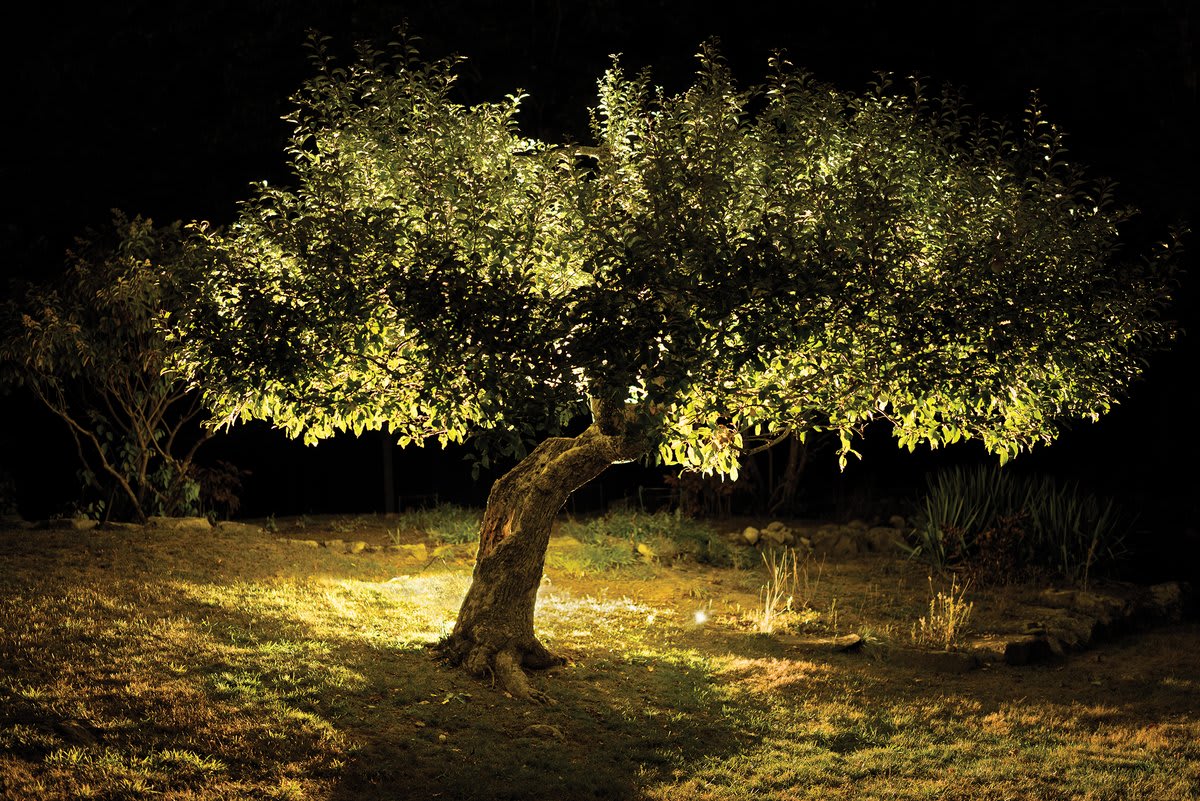
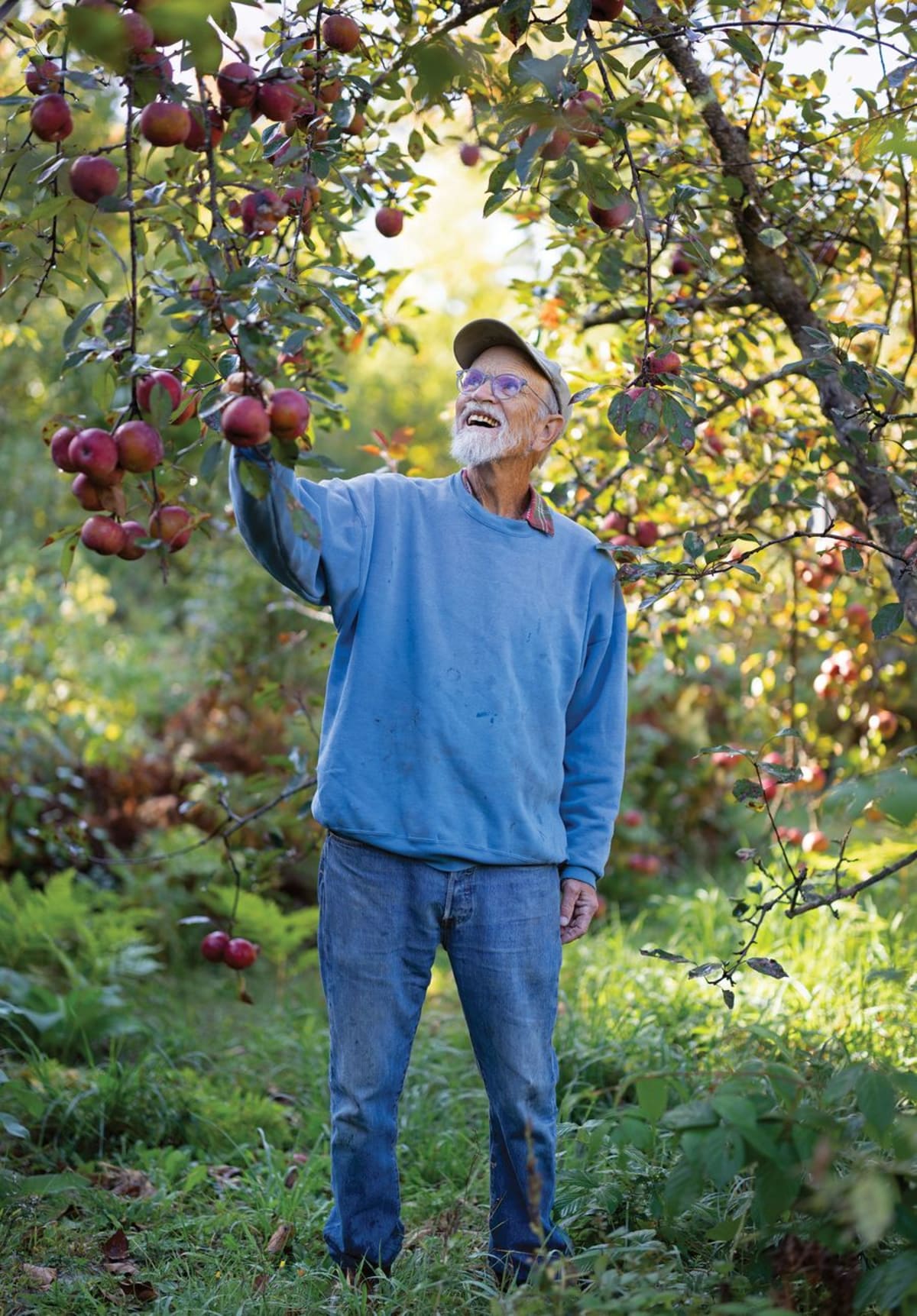
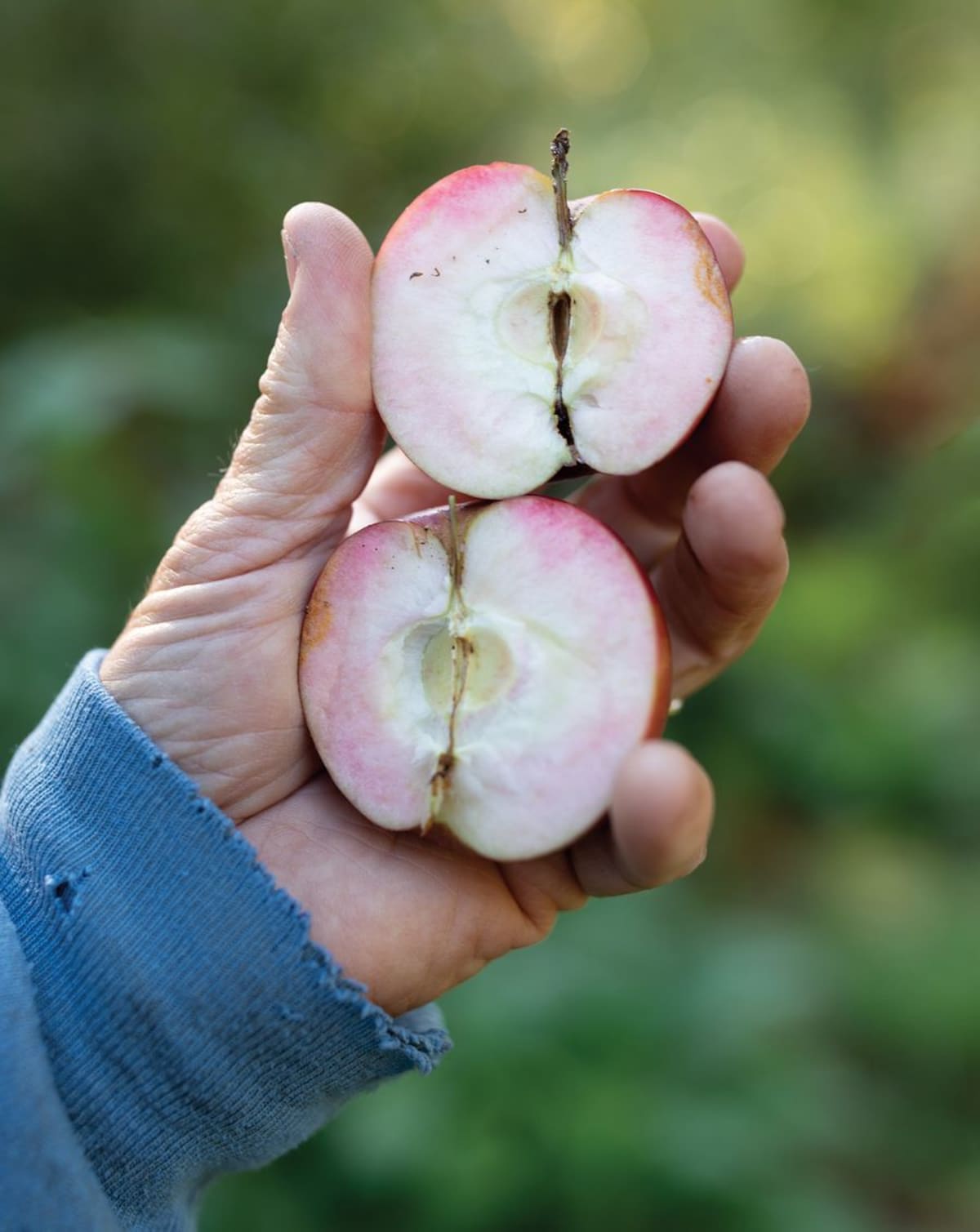
The apple tree sample from Maine, labeled AMHO-504, matched an empty space high up in the family tree of North American apples. After centuries of mystery, scientists had found a living ancestor to hundreds of modern apple varieties.
The discovery came from a collaboration between Peace and the Maine Organic Farmers and Gardeners Association, which was racing to identify rare apple trees on abandoned farms before harsh weather could kill them. They sent leaves from old trees to Peace, who runs a project called MyFruitTree that matches genetic fingerprints to known apple types.
This particular tree stood on a property dating back to the American Revolutionary War on Verona Island. For years, no one knew what it was or why it mattered.
The answer changed everything. This ancient tree had been quietly contributing its genetic traits to American apples for hundreds of years, shaping the fruit we eat today.
The Ripple Effect
The discovery couldn't have come at a better time. American apple orchards are in trouble, even though the U.S. grows more apples than any country except China.
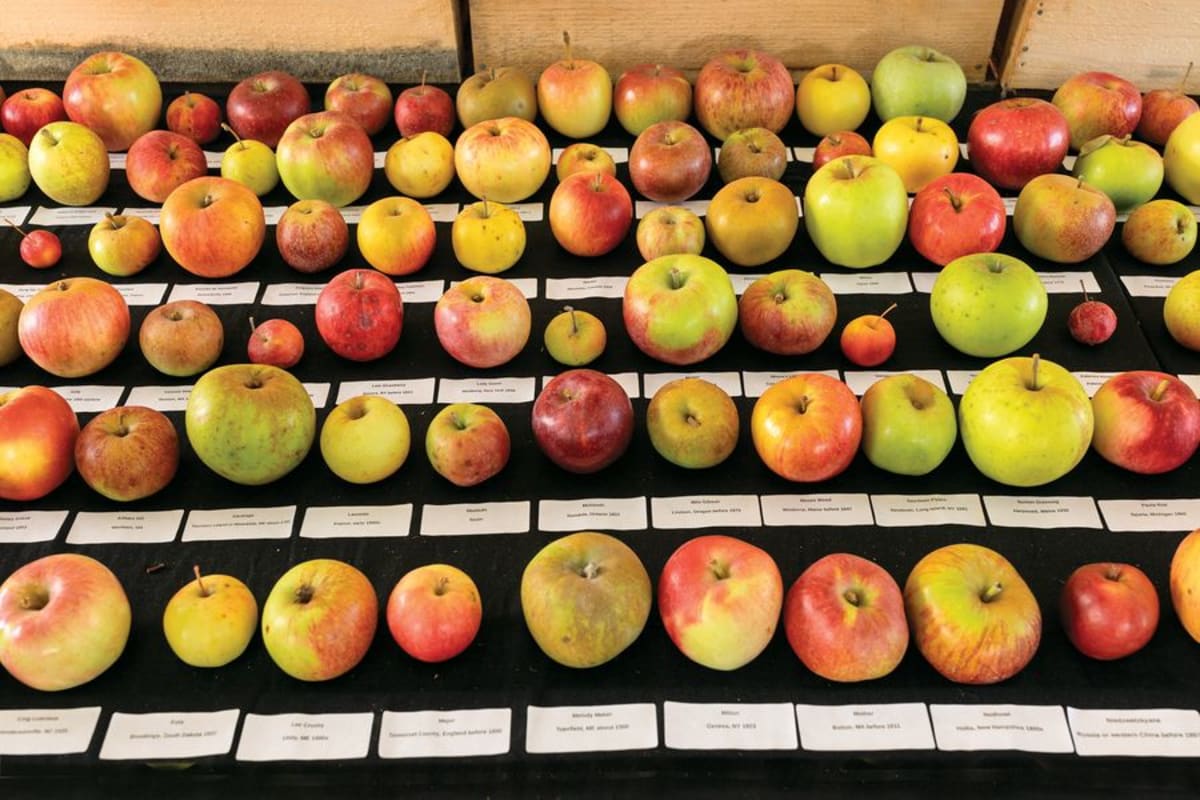
While 2,500 apple varieties exist in America, most commercial orchards rely on just 15 of them. This narrow genetic base makes crops vulnerable to diseases like fire blight, which costs producers up to $42 million per outbreak.
Climate change is making things worse. Washington State lost more than 2 percent of its crop to a single heat wave in 2021. Trees are budding earlier, making them more vulnerable to sudden temperature swings.
The Maine tree offers hope because it carries genetic traits that helped it survive for possibly 200 years or more. Some of those traits might have seemed useless to farmers centuries ago but could be exactly what modern apples need to survive new diseases and changing weather patterns.
Peace and his team are now working to breed these ancient genetics back into modern varieties. Scientists worldwide are joining the effort, searching abandoned farms and backyard orchards for forgotten varieties that hold the keys to future survival.
Amateur apple detectives across the country are part of this mission too, sending samples from mystery trees to researchers. Each discovery adds another piece to the genetic puzzle that could protect America's favorite fruit.
The ancient tree on Verona Island proves that sometimes the solutions to tomorrow's problems have been quietly growing in our backyards all along.
More Images
Based on reporting by Scientific American
This story was written by BrightWire based on verified news reports.
Spread the positivity!
Share this good news with someone who needs it