Ancient Protein C3 Boosts Cancer Treatment in Mice
Scientists in Japan discovered that an immune protein older than blood itself could help cancer treatments work better when it's produced directly inside tumors. The breakthrough has already extended survival in mice with treatment-resistant cancer.
A protein that existed before animals even had blood vessels might give cancer patients new hope for more effective treatment.
Researchers at Nagoya University in Japan found that complement C3, an ancient immune protein, can help cancer immunotherapy work better. The catch? It only helps when the protein is made inside the tumor itself, not when it's circulating through the bloodstream.
C3 has been around for hundreds of millions of years. Even simple creatures like sponges and jellyfish carry it. In humans, the liver produces most of our C3 and releases it into the blood to help fight infections. Scientists have known about this blood-based role for decades, but they understood much less about what happens when cells inside tissues make their own C3.
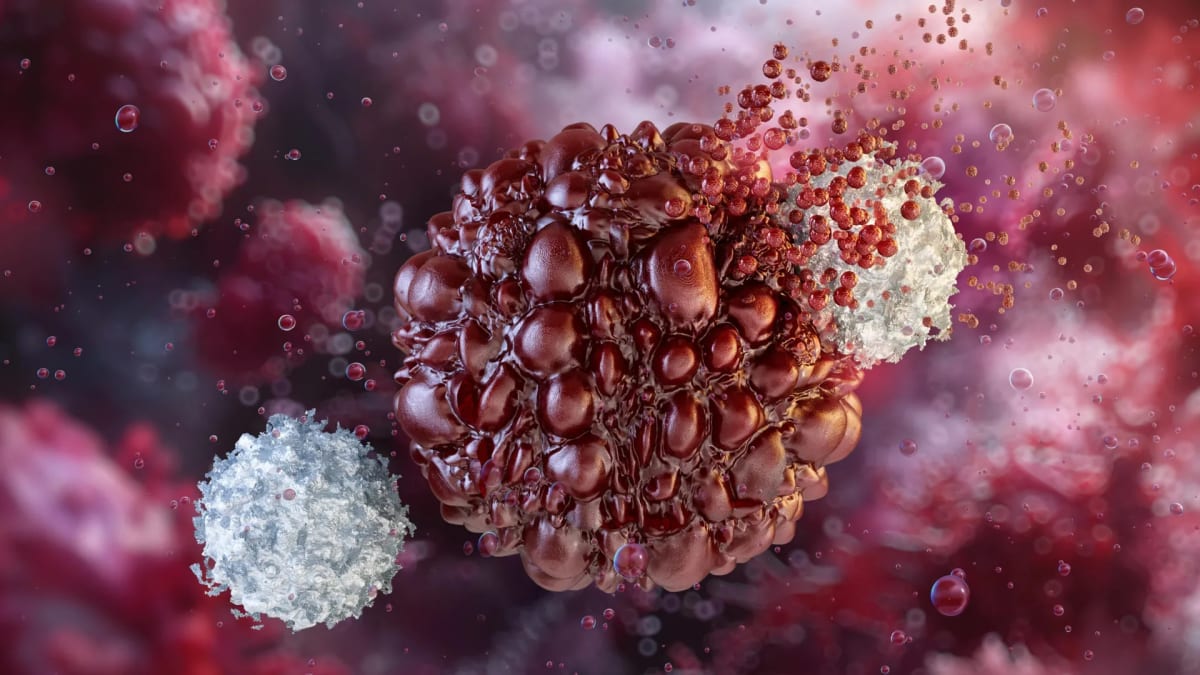
Lead researcher Yuki Miyai and his team discovered that fibroblasts, the normal cells surrounding cancer tumors, produce C3 right at the tumor site. This local C3 acts like a gatekeeper, blocking harmful immune-suppressing cells from entering the tumor. When these suppressor cells stay out, the body's immune system gets a clearer shot at attacking the cancer.
The team tested this in mice by shutting down C3 production in different places. When they reduced liver-made C3 by 90 percent, immunotherapy drugs still worked just fine. But when they stopped tumor fibroblasts from making C3, which only dropped total C3 levels by 9 percent, the same treatment became much less effective.
The discovery matters most for patients whose tumors resist standard immunotherapy. About half of cancer patients don't respond to these treatments. The research team tested a drug designed to mimic how C3 blocks those suppressor cells. It worked. Tumors that previously resisted treatment became vulnerable, and mice lived significantly longer.
The Bright Side shines even brighter when you look at the human data. Researchers examined lung cancer samples from actual patients and found the same pattern. Patients with higher C3 levels in their tumor tissue had better outcomes and lived longer. About half of those with high local C3 responded to treatment, while none of the patients with low levels did. Just like in mice, C3 levels in the bloodstream didn't predict success at all.
The research team is now working on ways to boost C3 production directly inside tumors. They're also studying the best timing for treatment and exploring how this local C3 activity might improve understanding of wound healing and inflammation control.
For cancer patients facing limited options, this research opens a door that seemed locked shut.
Based on reporting by Health Daily
This story was written by BrightWire based on verified news reports.
Spread the positivity!
Share this good news with someone who needs it