Ancient Roman Women Ran Farms, Not Just Households
For centuries, historians misread ancient texts and assumed Roman "vilicas" were housekeepers. New research proves these women actually managed wine production and profits on massive estates.
Thousands of female farm managers worked across the Roman Empire for five centuries, but historians kept calling them housekeepers.
A new paper in the Journal of Roman Archaeology finally sets the record straight. These women, called "vilicas," weren't stuck indoors managing meals. They ran the moneymaking operations that kept Roman estates profitable.
The confusion started with a 1st-century farming manual by wealthy Roman landowner Columella. He opened his section on vilicas with a long quote from Greek philosopher Xenophon, who believed women belonged indoors doing domestic work. Historians latched onto that quote and missed what came next.
Columella actually lists completely different responsibilities for the vilica. She oversaw wine production from start to finish: extracting juice from grapes, adding preservatives like salt and wormwood, and managing fermentation. She also turned inedible olives into profitable olive oil.
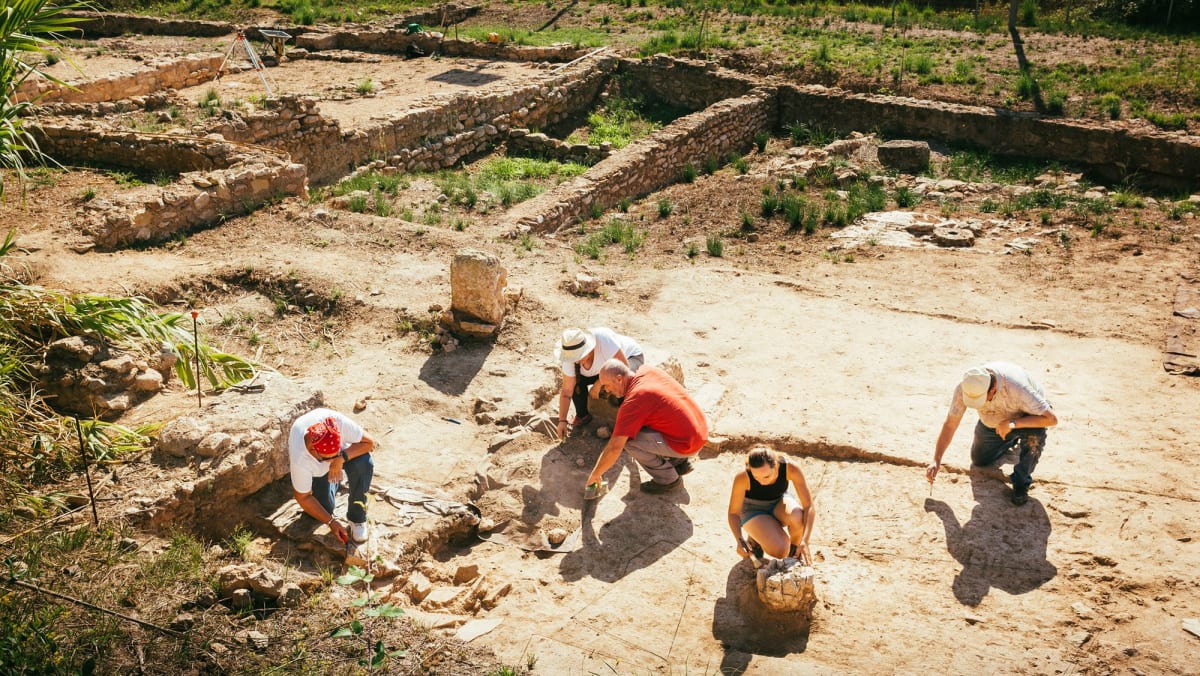
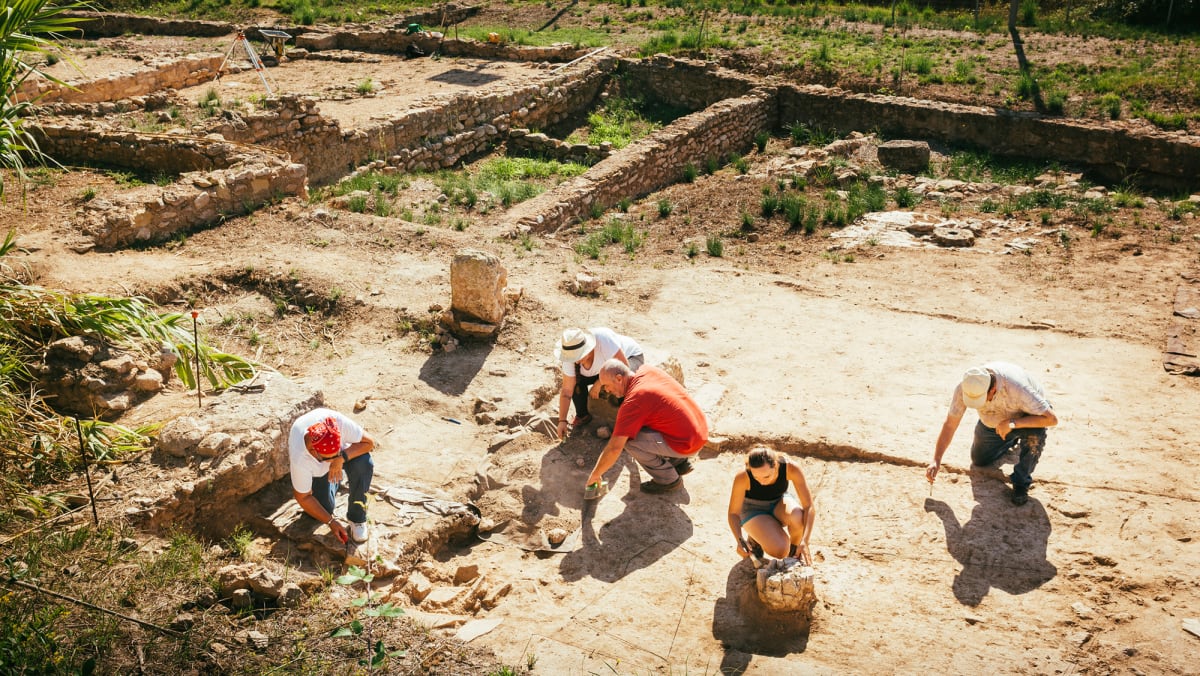
These weren't small household tasks. Archaeological evidence shows Roman estates produced 50,000 to 100,000 liters of wine or oil per year, sometimes even more. The vilica supervised large-scale industrial work in substantial buildings with massive machinery.
She also held spiritual responsibilities. Columella instructed the vilica to make offerings to the gods for successful harvests. Wine-making was precarious in the Roman world, with uncontrolled temperatures and bacteria threatening to turn wine into vinegar or mold.
Legal texts from the 1st century BCE list the vilica as part of the "instrumentum fundi," the essential personnel required for productive work and preserving estate produce. Another writer, Cato the Elder, named both female and male farm managers as necessary staff for vineyards and olive farms.
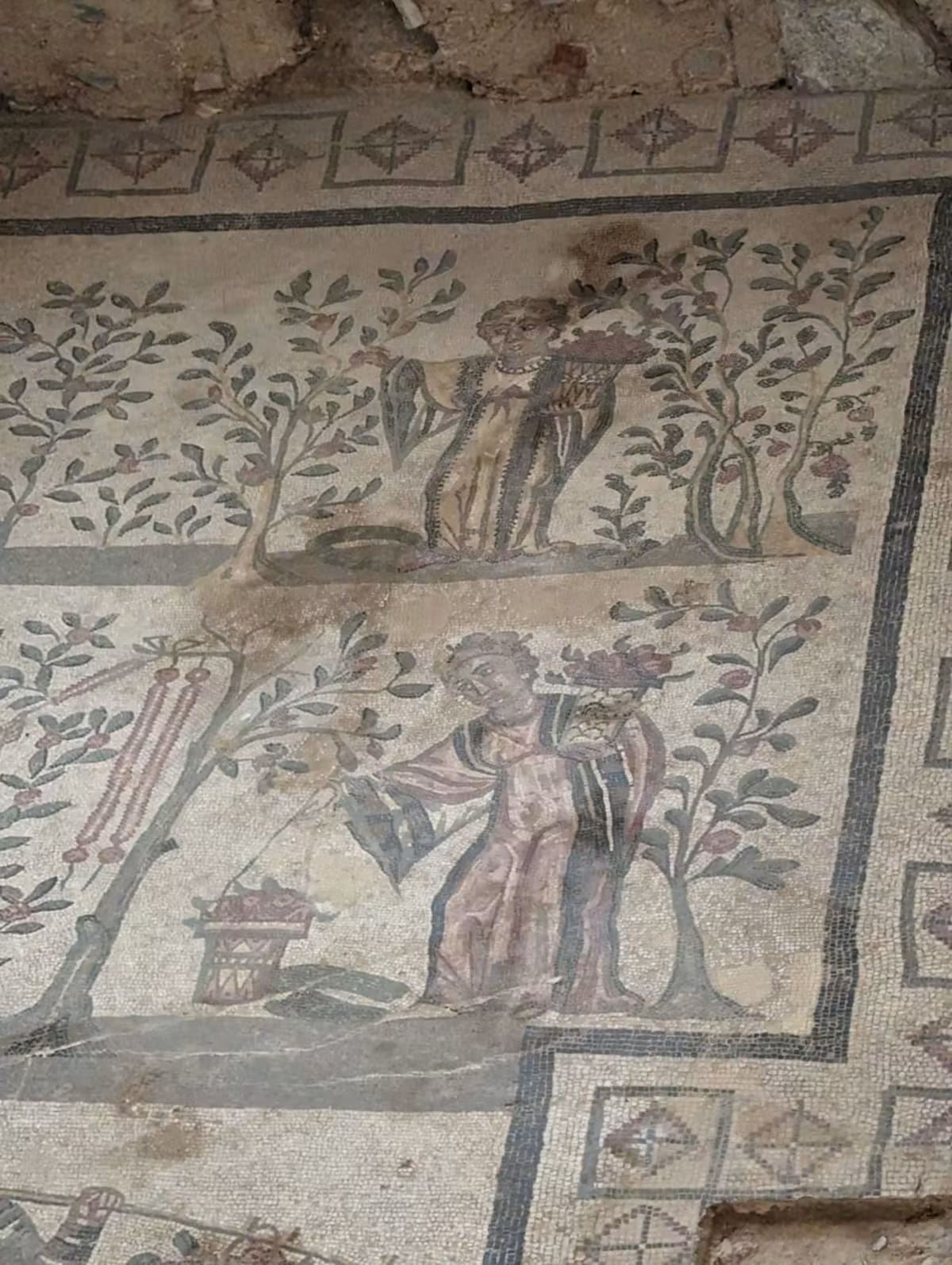
Cato gave the vilica responsibility for keeping poultry, processing seasonal farm products, and maintaining work spaces like stables and wine-making buildings. He also instructed her to offer garlands at the altar "for abundance."
A Roman mosaic showing seasonal estate work depicts a woman at an altar holding garlands, exactly as Cato described. Beside her are a wine jug for offerings and a male figure, possibly showing the vilica and vilicus working together for harvest success.
Why This Inspires
This discovery does more than correct historical records. It reminds us how easily bias shapes what we see, even when evidence sits in plain sight for centuries. These women appear in laws, literature, and grave inscriptions across the empire, but assumptions about gender roles kept historians from recognizing their true contributions.
The vilicas managed production, profits, and spiritual practices that kept Roman agriculture thriving. Their work wasn't hidden, just overlooked by people who expected to find housekeepers instead of managers.
More Images

Based on reporting by Live Science
This story was written by BrightWire based on verified news reports.
Spread the positivity!
Share this good news with someone who needs it

%2Fhttps%3A%2F%2Ftf-cmsv2-smithsonianmag-media.s3.amazonaws.com%2Ffiler_public%2Ff8%2F2a%2Ff82aae37-3a31-4995-b8f3-4be66db320c8%2Fmembers_of_the_research_team_during_the_documentation_and_analysis_work.jpeg)