Egyptian Princesses Were Warriors, New Study Reveals
Four ancient Egyptian princesses buried with golden daggers weren't just wearing jewelry. Their bones tell a powerful story of strength, skill, and shattered stereotypes.
For 130 years, historians dismissed the weapons buried with Egyptian royalty as pretty decorations. New bone analysis just proved them spectacularly wrong.
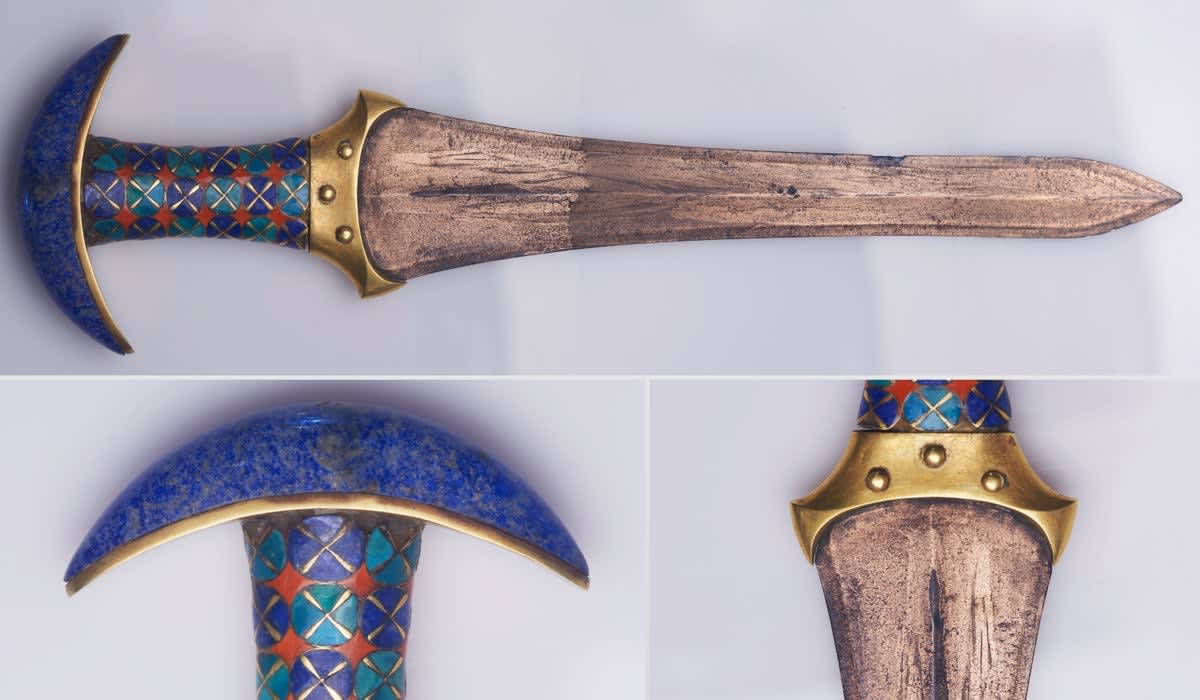
Princess Ita was laid to rest 4,000 years ago with a stunning dagger adorned in gold and lapis lazuli. When archaeologists found it in her tomb south of Cairo, they assumed it was ceremonial. After all, elite women in ancient Egypt supposedly lived quiet, passive lives.
Her skeleton tells a different story. Deep grooves in her bones show she regularly gripped weapons like daggers and maces with serious force.
She wasn't alone. Princess Noub-Hotep's hand bones show a distinctive curve that researchers say comes from repeatedly drawing a bow. Princess Itaweret's remains reveal healed trauma to her ribs and feet, suggesting she lived what the study calls "a high-risk, active lifestyle."
These women were rediscovered almost by accident. Their remains sat unstudied in the Egyptian Museum basement until 2020, while neighboring male royals received immediate anthropological analysis back in the 1800s.
Dr. Zeinab Hashesh from Beni-Suef University in Egypt led the new research. Her team examined muscle attachment sites and internal bone structure to piece together how these princesses actually lived. They call it creating "osteobiographies," letting the skeletons speak for themselves.
The Ripple Effect
This discovery challenges more than dusty history books. For over a century, archaeologists routinely dismissed weapons found in women's graves as symbolic gifts for the afterlife rather than tools they actually used.
That interpretation wasn't based on evidence. It came from outdated gender stereotypes that assumed only men engaged in martial activities.
Now researchers have proof that the royal court was far more complex. These weren't decorative princesses waiting around in luxury. They were trained, powerful women who participated in physically demanding activities that shaped their very bones.
Some experts urge caution, noting the team should compare these remains with non-royal women from the same period. But even skeptics call the research comprehensive and interesting.
The golden dagger of Princess Ita gleams just as brightly today, except now we see it for what it truly was: not a pretty symbol, but a weapon in capable hands.
More Images



Based on reporting by Scientific American
This story was written by BrightWire based on verified news reports.
Spread the positivity!
Share this good news with someone who needs it