Family Holiday Leads to 120,000-Year-Old Hippo Discovery
A casual castle visit in Wales sparked a series of archaeological digs that uncovered hippo bones from before the Ice Age and rare evidence of early humans. The five-year project could rewrite what we know about Britain's prehistoric past.
A family vacation to a medieval castle just became one of the most important archaeological finds in British history.
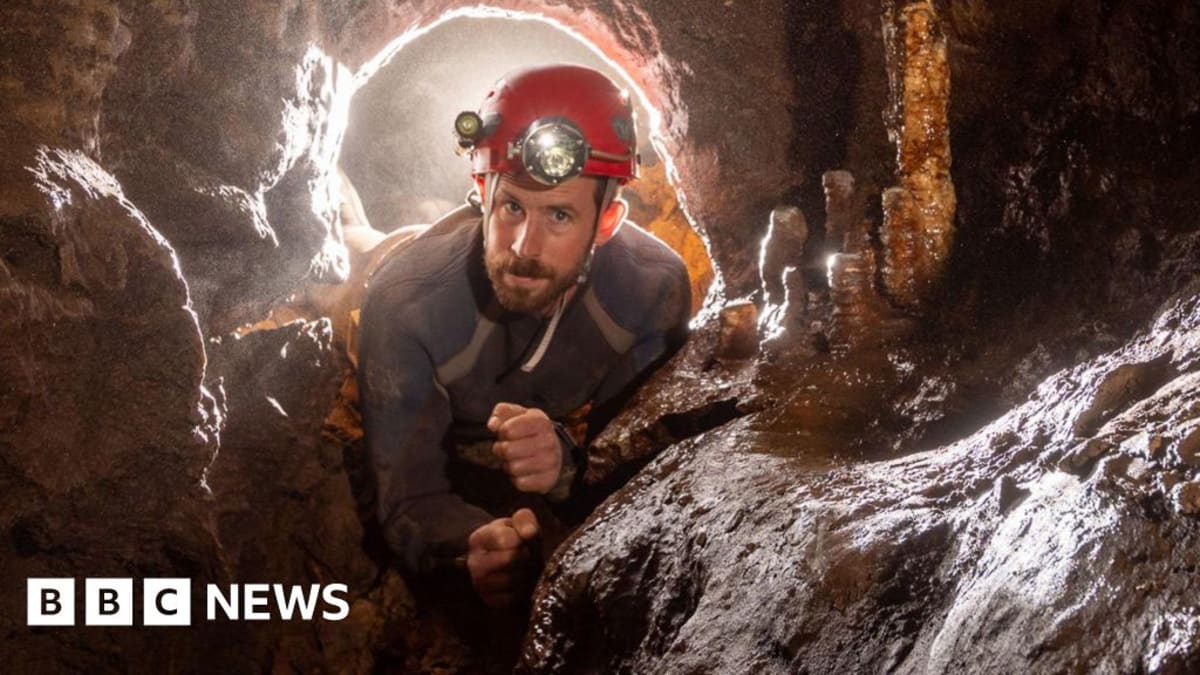
John Bolton was touring Pembroke Castle in Wales back in 2010 when he learned about a cave hidden beneath the 11th-century fortress. The archaeologist noticed something unusual: unlike most caves from that era, this one showed almost no signs of Victorian-era digging.
His curiosity led him to badger Dr. Rob Dinnis from the University of Aberdeen for years to investigate. When they finally explored the site in 2021, they discovered something extraordinary.
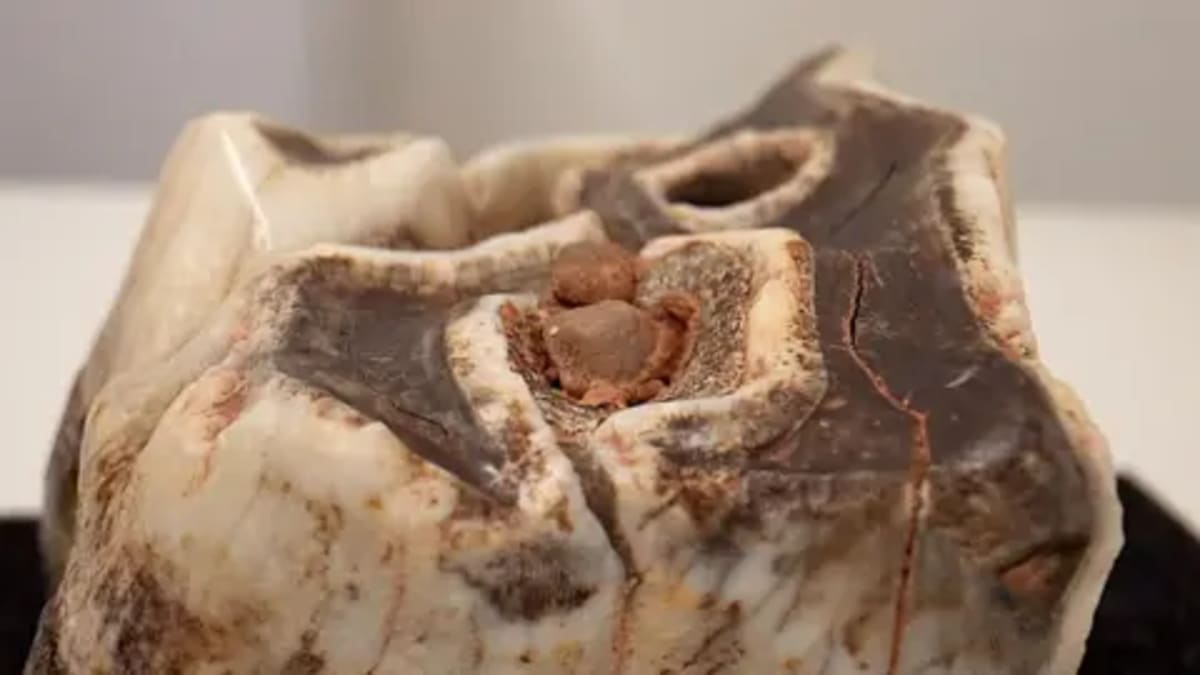
The team unearthed bones from a hippopotamus that roamed Wales 120,000 years ago, along with rare evidence of early humans and even Neanderthals. They also found a woolly rhino tooth dating back at least 35,000 years.
"It was by accident, really," Bolton said about the discovery at Wogan Cavern. He described the cave as "huge" and unlike any other he'd seen in the UK.
Most Victorian-era caves were emptied out in the 1800s, making this find completely unique. The sediment layers have remained largely untouched for over a century, preserving a treasure trove of information that was lost at other sites.
The Ripple Effect
The discovery goes far beyond cool ancient animals. Scientists can now extract DNA from both bones and sediment to understand who lived there, what they did, and when they did it.
The hippo bones reveal what happened before the last Ice Age, showing how animal species adapted through dramatic climate changes. This information helps researchers understand how early humans responded to changing environments over more than 120,000 years.
Dr. Jonquil Mogg of Pembroke Castle Trust called the intact nature of the site "completely mind-blowing." The discoveries at Wogan Cavern can now help scientists understand what was lost at other excavated sites across Britain.
The University of Aberdeen will lead a five-year exploration starting soon. All finds will stay in Pembroke, keeping this piece of history where it belongs.
Sometimes the biggest discoveries start with the smallest curiosity on an ordinary family day out.
More Images

Based on reporting by Google: archaeological discovery
This story was written by BrightWire based on verified news reports.
Spread the positivity!
Share this good news with someone who needs it