Ancient Maya Woman Found in Underwater Cenote Near Mexico
Divers discovered the remarkably preserved remains of a young woman, named Yatzil, resting undisturbed for possibly 800 years in a flooded Mexican cenote. Local communities are now working with scientists to protect this precious window into Maya history.
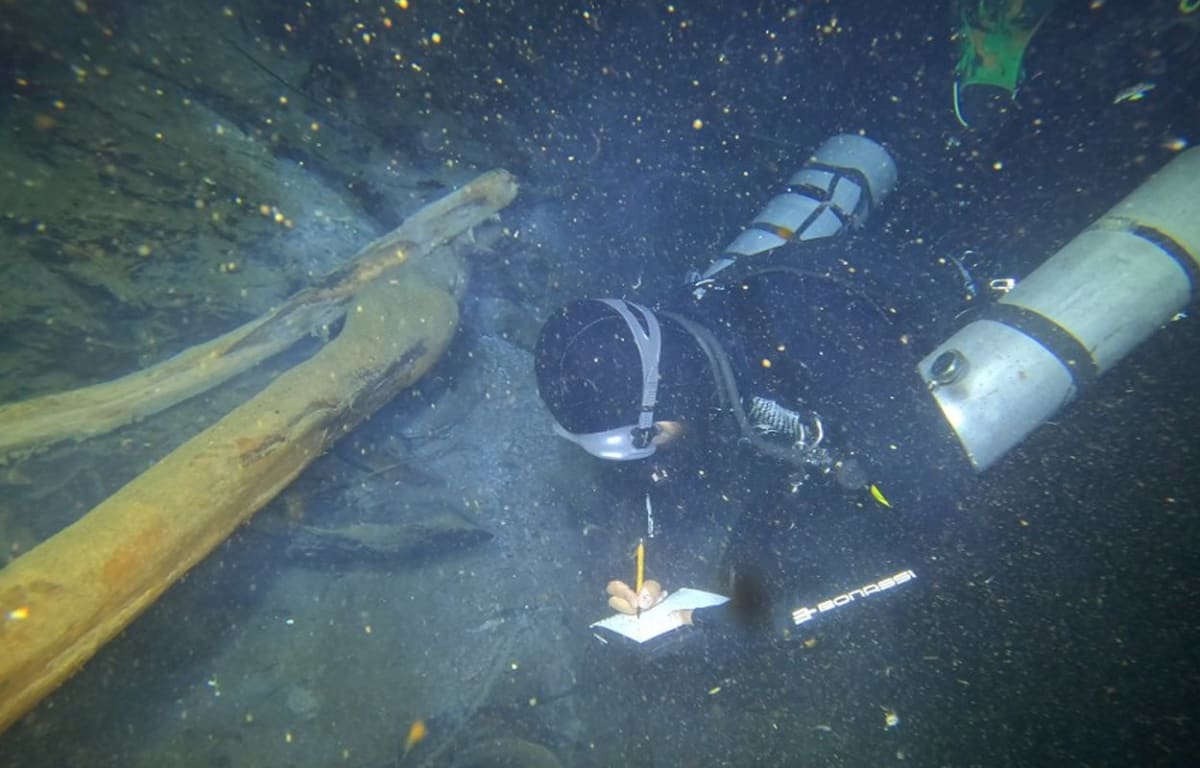
Deep below the surface of Cenote Yaakun near Playa del Carmen, technical divers found something extraordinary: the skeletal remains of a young woman who may have lived during the height of Maya civilization.
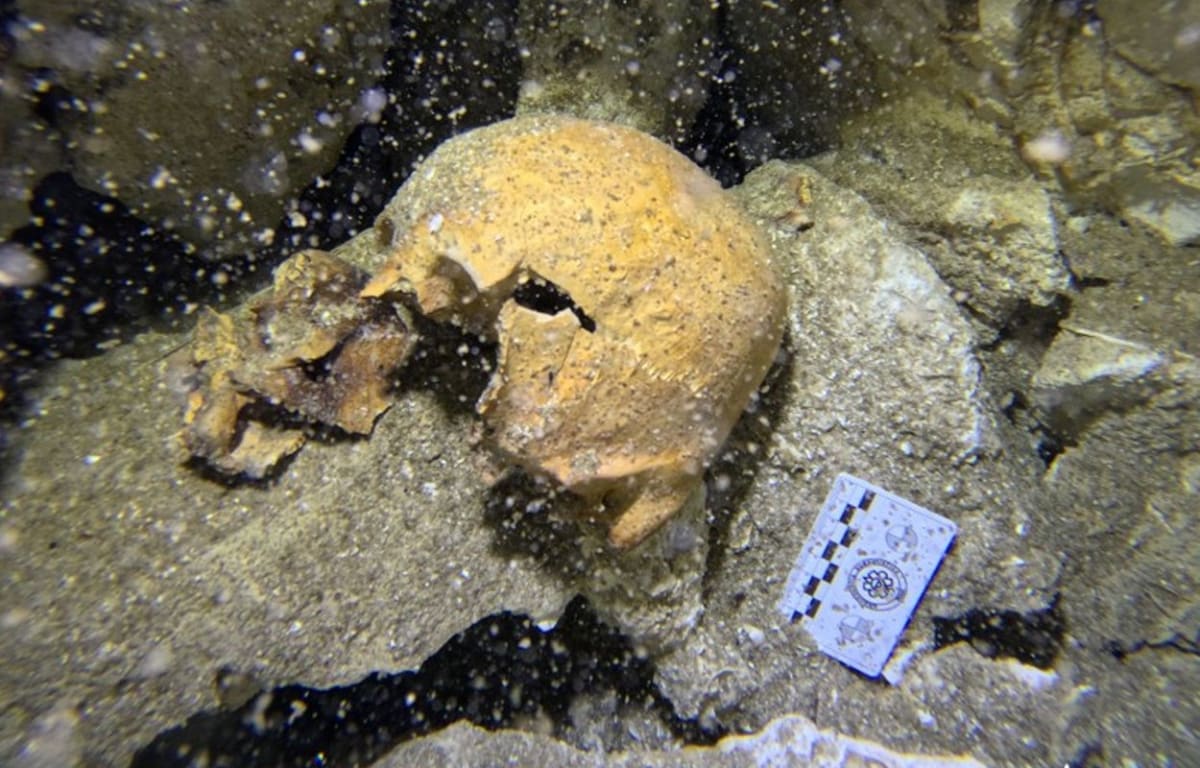
The woman, who researchers named Yatzil (meaning "beloved person" in Maya), was discovered between 42 and 46 meters underwater in remarkably stable condition. Physical anthropologists determined she was likely between 18 and 25 years old when she died, possibly sometime between 1200 and 1521 AD.
What makes this discovery special isn't just the remains themselves. Three ceramic vessels resting nearby at depths up to 53 meters appear to belong to the East Coast Maya tradition, offering clues about her life and culture.
The cenote's stable underwater environment kept everything exceptionally preserved. Constant temperature, limited light, and significant depth protected the remains in ways that wouldn't be possible on land. Several elements remain exactly where they came to rest centuries ago, creating what underwater archaeologist Gustavo García García calls an "undisturbed archaeological context."
The Ripple Effect
This discovery sparked something beautiful: an entire community rallying to protect their shared heritage. Local custodians and technical divers who first spotted the remains immediately reported them to Mexico's National Institute of Anthropology and History instead of disturbing the site.
Now landowners and diving operators are working together to establish exclusion zones around the archaeological deposits. They're actively discouraging visitors from touching or removing artifacts, understanding that preserving the site intact means future generations can study it with even more advanced technology.
"Heritage is a shared responsibility," said Culture Secretary Claudia Curiel de Icaza, celebrating how community collaboration is strengthening knowledge of ancient cultures.
The research team deliberately left most remains untouched during their first field season, recovering only a single ceramic fragment for analysis. They're planning a 2027 expedition to collect a tooth sample for ancient DNA analysis, which could reveal Yatzil's cultural identity and confirm the age of the remains.
The project proves that scientific research and community protection can work hand in hand, creating a model for how we safeguard fragile underwater heritage sites while still learning from them.
More Images



Based on reporting by Google: archaeological discovery
This story was written by BrightWire based on verified news reports.
Spread the positivity!
Share this good news with someone who needs it