%2Fhttps%3A%2F%2Ftf-cmsv2-smithsonianmag-media.s3.amazonaws.com%2Ffiler_public%2Faf%2F14%2Faf14e946-6b7d-47a8-9fc9-ed16ba47a5c8%2Fbowl.jpg)
Ancient Soldier's Souvenir Travels 1,200 Miles From England
A 1,900-year-old decorated bowl found on a Spanish farm appears to commemorate a Roman soldier's service at Hadrian's Wall in northern England. The colorful keepsake offers a touching glimpse into how ancient soldiers treasured memories of their service, just like we collect souvenirs today.
Imagine carrying a special memento from your time at work across 1,200 miles to your retirement home. That's exactly what a Roman soldier may have done nearly two millennia ago with a beautifully decorated bowl recently discovered in central Spain.
The vibrant cup, adorned with bright red, green, blue and turquoise patterns, depicts Hadrian's Wall, the famous 73-mile fortification that protected the Roman Empire's northwest frontier in what is now northern England. Researchers believe the soldier either commissioned it as a keepsake or received it as a retirement gift between 124 and 150 C.E.
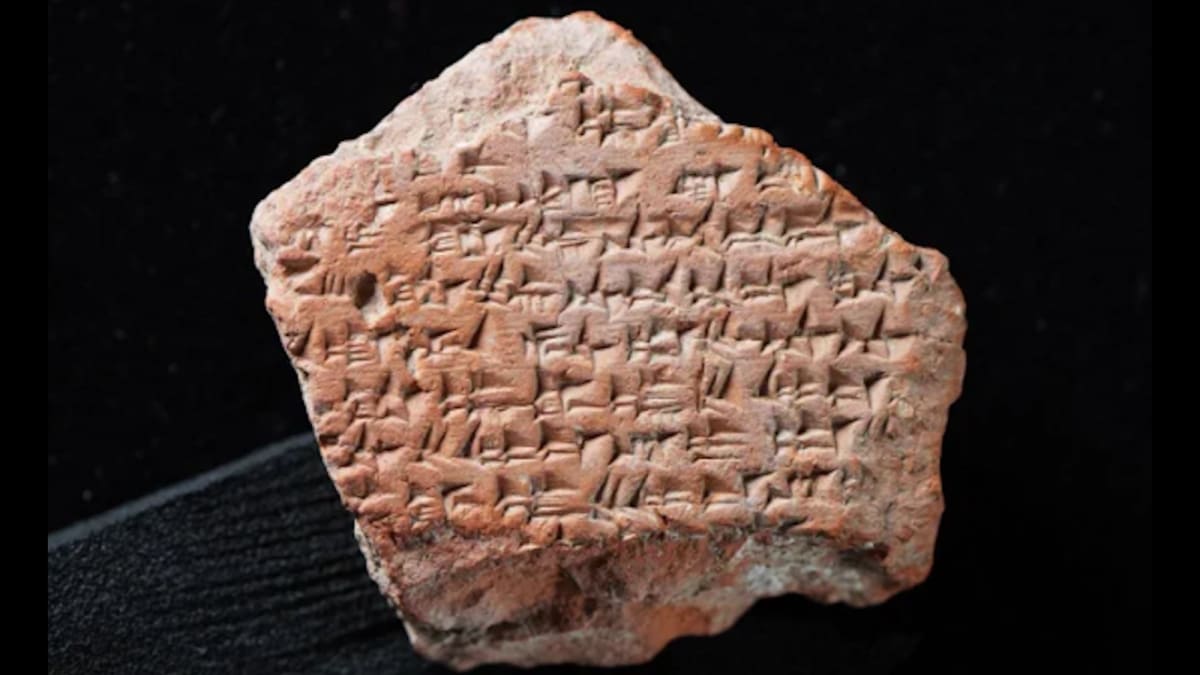
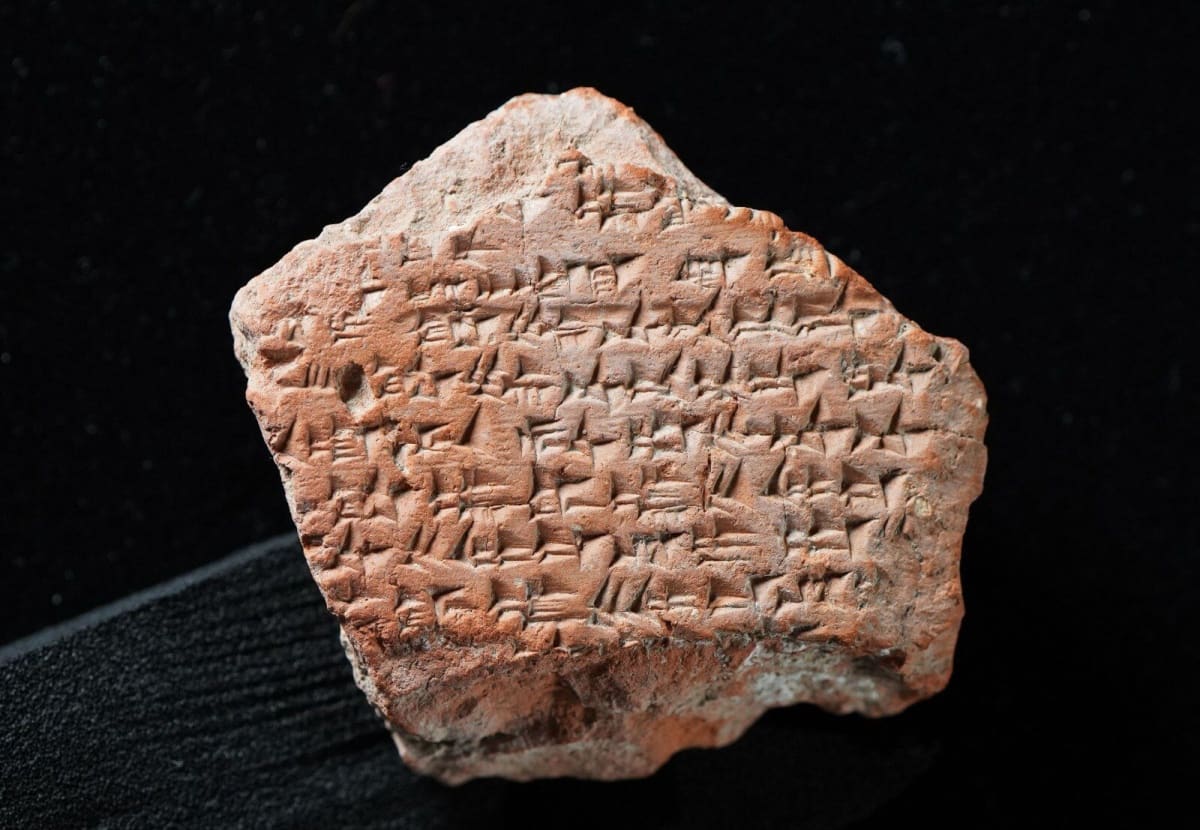
The bowl features an inscription naming four military forts along the wall: Cilurnum, Onno, Vindobala and Condercom. Some letters have worn away over the centuries, but archaeologists pieced together the names from surviving fragments. Lead isotope analysis confirmed the cup was crafted in northern Britain using local materials.
This discovery, published in the journal Britannia, marks only the second example of its kind found on the Iberian Peninsula. Previous similar cups, like the Rudge Cup found in 1725, only referenced forts on Hadrian's Wall's western side. The newly discovered Berlanga Cup names eastern forts, suggesting these souvenirs were produced along the entire length of the wall.
These ancient Roman drinking vessels, called trullae, were characteristic of military equipment. At 4.5 by 3.1 inches, the Berlanga Cup was small enough to pack but special enough to treasure. The inscription appears to have been added after production, meaning the owner likely customized it when purchasing.
Why This Inspires
The cup reveals something wonderfully human about ancient soldiers. They wanted to remember their service and the camaraderie they experienced at one of the empire's monumental frontiers, just as modern military members collect challenge coins and unit patches.
Souvenir collecting wasn't unique to soldiers in ancient Rome. Everyday Romans who couldn't travel to famous sites bought tiny replicas of monuments and statues, creating thriving souvenir industries across the empire. One ancient stylus found in London even included an inscription joking about being a cheap gift because the sender's purse was empty, the Roman equivalent of "I went to Rome and all I got you was this pen."
The Berlanga Cup wasn't mass-produced merchandise. Crafted with expensive enamels and later customized with personal inscriptions, it represented a significant investment for its owner. This soldier clearly valued his memories enough to commission a quality keepsake and carry it home across an empire.
Nearly 1,900 years later, that same impulse to hold onto meaningful experiences connects us across the centuries.
More Images
%2Fhttps%3A%2F%2Ftf-cmsv2-smithsonianmag-media.s3.amazonaws.com%2Ffiler_public%2Faf%2F14%2Faf14e946-6b7d-47a8-9fc9-ed16ba47a5c8%2Fbowl.jpg)
%3Afocal(750x500%3A751x501)%2Fhttps%3A%2F%2Ftf-cmsv2-smithsonianmag-media.s3.amazonaws.com%2Ffiler_public%2Faf%2F14%2Faf14e946-6b7d-47a8-9fc9-ed16ba47a5c8%2Fbowl.jpg)
%2Fhttps%3A%2F%2Ftf-cmsv2-smithsonianmag-media.s3.amazonaws.com%2Ffiler_public%2Fd5%2Fb2%2Fd5b2dbac-1fb0-4ae3-8bfb-93bd69fb9725%2Fbowl-inscription.jpg)
%2Fhttps%3A%2F%2Ftf-cmsv2-smithsonianmag-media.s3.amazonaws.com%2Ffiler_public%2F76%2F1c%2F761c27fb-2d3b-40c4-a46d-95a3fc5305f1%2Furn_cambridgeorg_id_binary-alt_20260414122726-20354-optimisedimage-png-s0068113x26100701_fig4.png)
Based on reporting by Smithsonian
This story was written by BrightWire based on verified news reports.
Spread the positivity!
Share this good news with someone who needs it