Ancient Sri Lankans Made Super-Steel Using Monsoon Winds
Scientists finally cracked the 2,500-year-old mystery of how Sri Lankan craftspeople forged legendary Wootz steel centuries before modern methods existed. The secret? Oddly shaped furnaces positioned on hilltops to harness monsoon winds.
For over a thousand years, historians couldn't figure out how ancient Sri Lankans created the world's strongest steel without modern technology. Now archaeologist Gill Juleff has solved the puzzle, revealing an ingenious system that used nature itself as a power source.
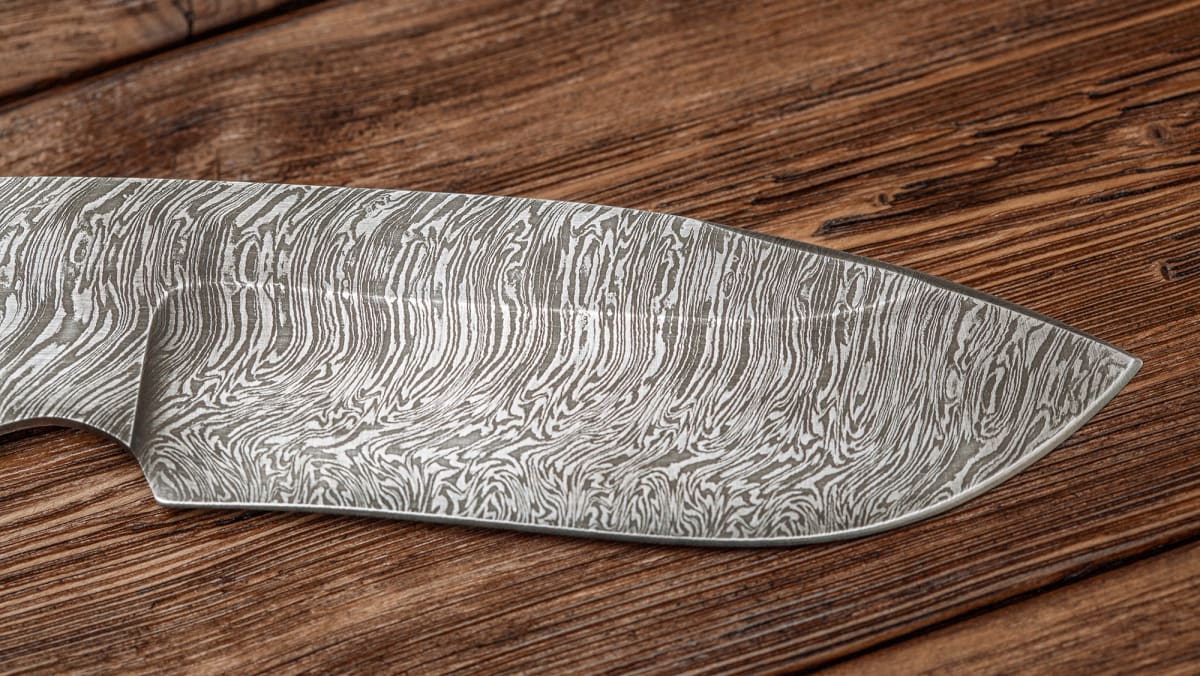
Starting around 500 BCE, craftspeople in what is now Sri Lanka produced Wootz steel, a material so superior that Arabian, Greek, Roman, and Chinese writers marveled at its quality. These blades featured intricate marbled patterns and cut sharper than anything else available. Middle Eastern swordsmiths prized the material so highly that Persians coined a saying about delivering an "Indian answer" when they meant cutting someone with a sword.
Then around 1100 CE, the legendary steel vanished completely. The knowledge of how to make it disappeared, leaving scientists baffled for centuries.
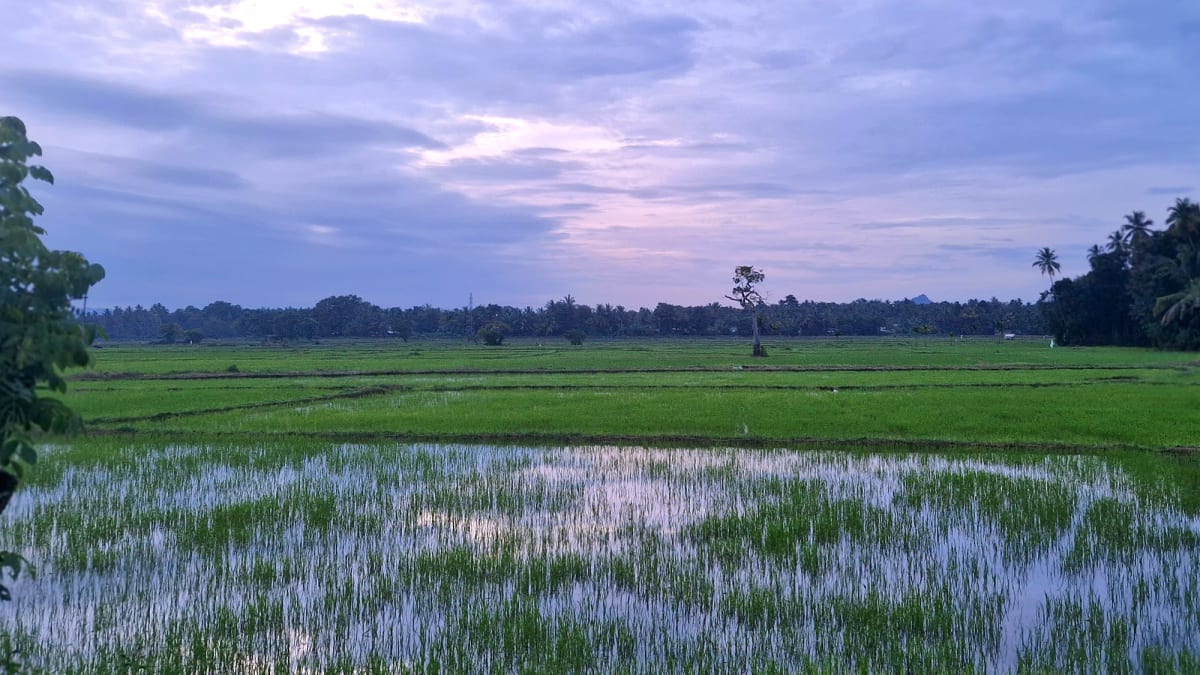
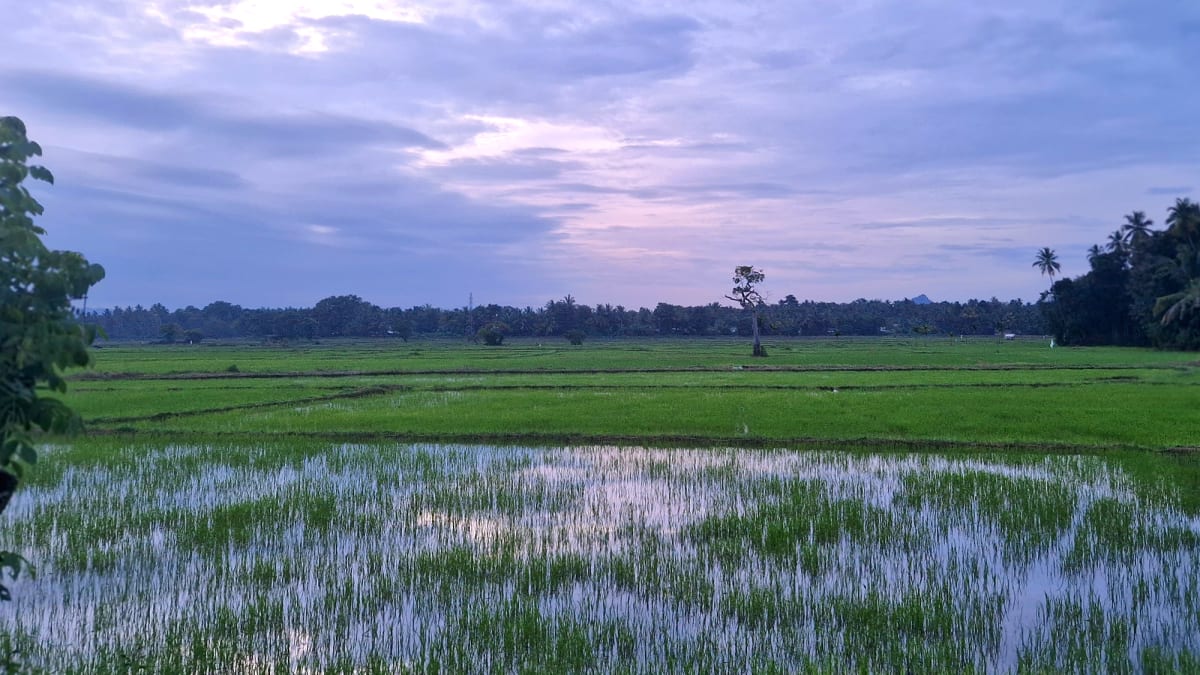
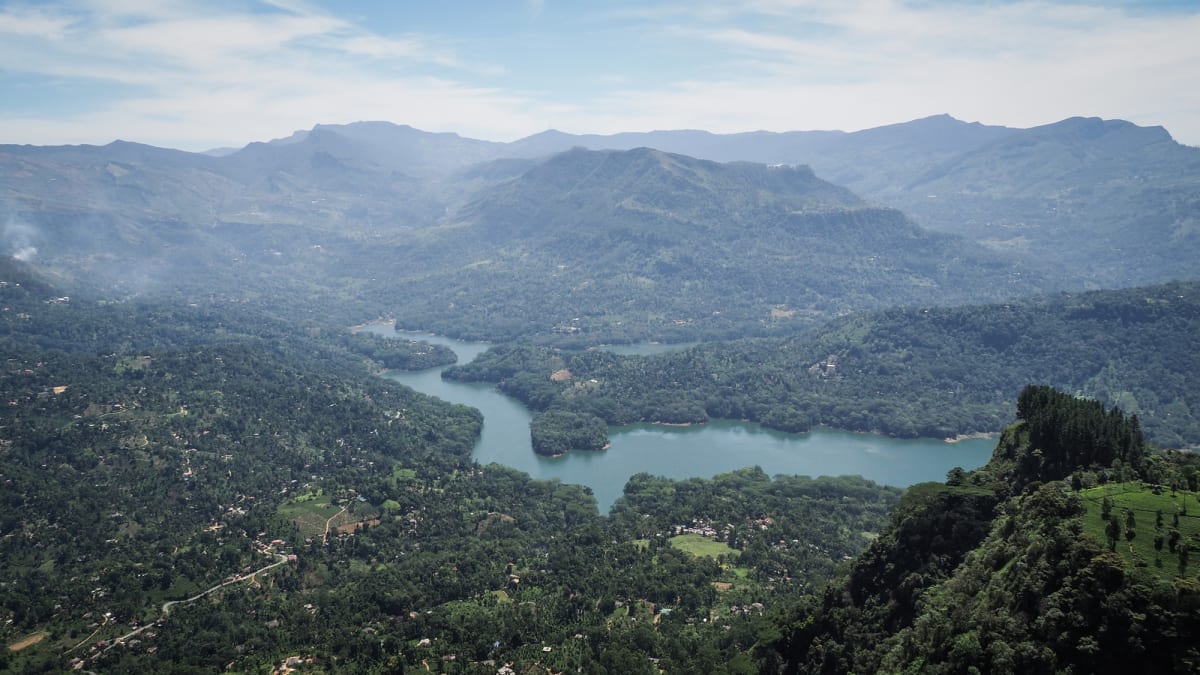
Juleff discovered the answer by looking beyond European metallurgy assumptions. She found hundreds of unusual furnaces positioned at the tops of hills throughout Sri Lanka. While villages sat in the valleys below, ancient steelmakers hauled their iron uphill for smelting.
The furnaces looked nothing like traditional tall chimneys. Instead, they were flat structures only half a meter high and 2 meters long, with hundreds of holes bored through the front and back. They resembled oversized harmonicas.
The positioning wasn't random. By placing these uniquely designed furnaces on hilltops, Sri Lankan metalworkers harnessed the powerful seasonal monsoon winds blowing through the holes. This natural airflow achieved the same oxygen-rich environment that Henry Bessemer would "invent" with mechanical air pumps over a thousand years later.
The monsoon-powered furnaces created temperatures hot enough to produce high-carbon steel of exceptional quality. The intricate patterns in the finished blades came from this sophisticated forging process, making each sword a work of art and engineering.
Why This Inspires
This discovery rewrites the history books about human innovation. Ancient Sri Lankan craftspeople developed advanced metallurgy not through brute force technology, but by understanding and working with natural forces around them.
Their knowledge allowed production of hardened steel chisels that carved granite during the Iron Age, feats that shouldn't have been possible with the tools historians thought they had. The steel became a luxury export, traveling west along the Silk Road alongside spices and other prized commodities.
Juleff's research also challenges the colonial narrative that sophisticated technology only came from Europe. As she explains, western viewpoints dominated metallurgy history, overlooking the fact that Asian craftspeople understood and produced high-quality steel centuries earlier.
The rediscovery proves that sustainable, nature-powered solutions aren't just modern concepts. Ancient engineers solved complex problems by observing their environment and designing systems that worked with natural patterns rather than against them.
Modern scientists can now appreciate the brilliance of craftspeople who turned seasonal winds into precision manufacturing tools, creating some of history's finest steel without electricity or fossil fuels.
More Images
Based on reporting by Live Science
This story was written by BrightWire based on verified news reports.
Spread the positivity!
Share this good news with someone who needs it