%2Ffile%2Fattachments%2F2997%2F36Thulamela_Archaeological_Research_Field_Trip_Sept_2025_035_372816.jpg)
Ancient Trade Hub Uncovered in Kruger National Park
Archaeologists have discovered thousands of glass beads and artifacts at Gwalala Hill in South Africa, revealing a thriving 700-year-old trade network that connected Southeast Asia to southern Africa. The find rewrites what we know about precolonial African commerce and cultural exchange.
Six centuries after its last inhabitants walked away, a forgotten trading center is finally telling its story from beneath the soil of Kruger National Park.
Professor Tim Forssman and his team from the University of Mpumalanga have spent the past two years carefully excavating Gwalala Hill in the Pafuri region. What started as a routine archaeological survey in 2022 has turned into one of South Africa's most exciting historical discoveries.
The site yielded thousands of tiny glass beads, each barely larger than a pinhead. Chemical analysis revealed these beads traveled from Southeast Asia through East African trade routes to reach this settlement between 1300 and 1400 AD. The discovery proves that southern African communities were connected to vast international trade networks centuries before European colonization.
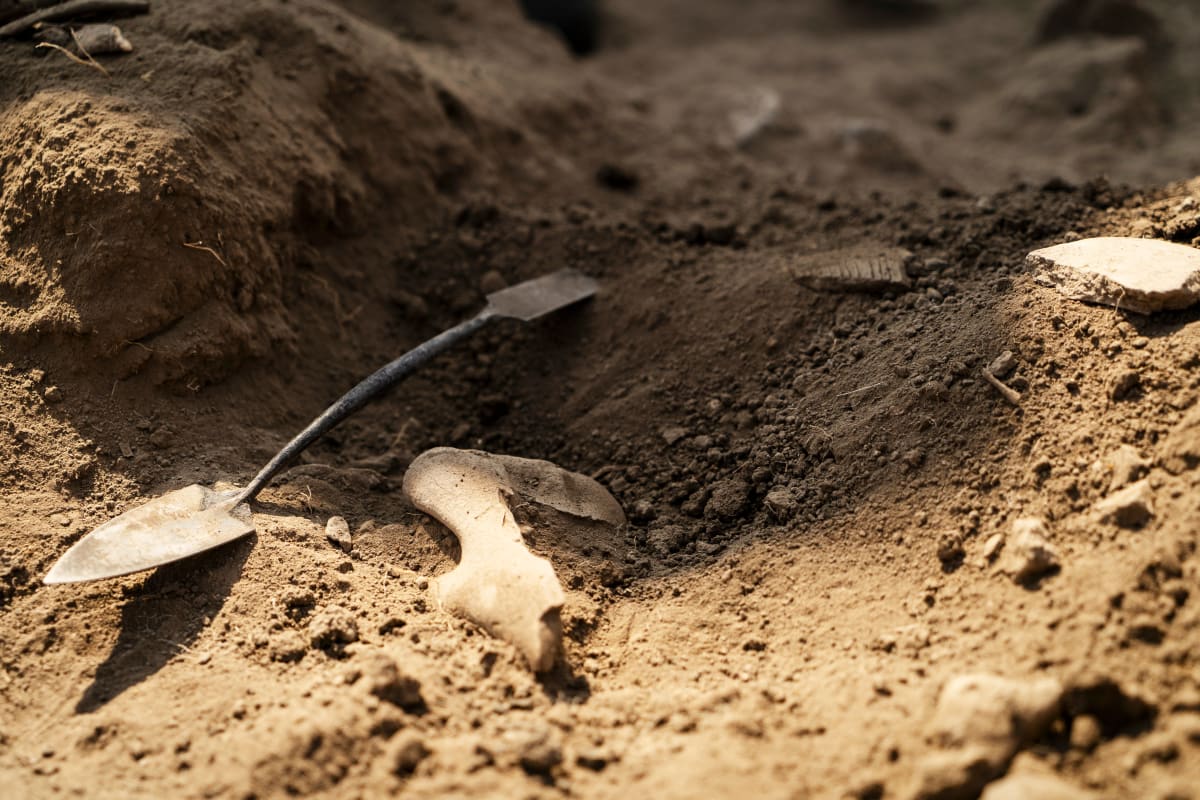
"We never anticipated the site to be as productive as it has been," Forssman admits. His team also uncovered pottery fragments, metal slag, spindle whorls for cotton thread production, and numerous elephant bones pointing to ivory trade.
The settlement sits strategically at the confluence of the Limpopo and Luvuvhu rivers. This location placed Gwalala Hill in what Forssman calls a "strategic corridor of exchange," making it a crucial hub for goods moving between coastal ports and inland communities.
Modern technology helped bring the ancient world into focus. Ground-penetrating radar and aerial surveys revealed preserved hut floors, grain bin foundations, stone platforms, and possible agricultural terracing. Radiocarbon dating of charcoal samples confirmed peak occupation occurred around 1300 to early 1400s.
The Ripple Effect
This discovery does more than add artifacts to museum collections. It fundamentally challenges outdated narratives about precolonial Africa as isolated or primitive.
The excavation takes place on land with its own modern story of restoration. The apartheid government forcibly removed the Makuleke community from this area in 1969. The land was returned to them in 1998, and they now lease it to SANParks as part of Kruger National Park.
Student archaeologists working alongside Forssman are gaining hands-on experience uncovering their own heritage. Each pottery shard and bead they brush clean represents a direct connection to ancestors who built sophisticated trade relationships spanning continents.
The find adds crucial context to understanding settlements like nearby Thulamela, showing how smaller sites like Gwalala supported the rise of larger settlement complexes in the region. These weren't isolated villages but interconnected communities engaged in complex economic and cultural exchange.
Today, where buffalo, elephants, and giraffes roam among ancient baobab trees, the past and present converge in a powerful reminder that Africa's history of innovation and connection runs deep.
More Images

%2Ffile%2Fattachments%2F2997%2F36Thulamela_Archaeological_Research_Field_Trip_Sept_2025_004_363153.jpg)
%2Ffile%2Fattachments%2F2997%2F36Thulamela_Archaeological_Research_Field_Trip_Sept_2025_038_924823.jpg)
Based on reporting by Daily Maverick
This story was written by BrightWire based on verified news reports.
Spread the positivity!
Share this good news with someone who needs it
%2Fhttps%3A%2F%2Ftf-cmsv2-smithsonianmag-media.s3.amazonaws.com%2Ffiler_public%2Ff8%2F2a%2Ff82aae37-3a31-4995-b8f3-4be66db320c8%2Fmembers_of_the_research_team_during_the_documentation_and_analysis_work.jpeg)