
Ancient Vodun Faith Saves 1,235 Acres of Benin Mangroves
In Benin, spiritual leaders are using sacred rituals to create protected mangrove forests where divine punishment forbids logging. This powerful mix of ancient tradition and modern conservation has saved over 1,200 acres in just ten years.
In West Africa's Benin, an ancient religion is doing what laws alone couldn't: saving disappearing mangroves from destruction.
Vodun practitioners partner with conservationists to declare mangrove forests sacred under the protection of Zangbéto, a deity who forbids woodcutting. Communities believe harming these protected trees invites divine punishment, making the ban more powerful than any government regulation.
The results speak for themselves. Over the past decade, this spiritual conservation approach has preserved 500 hectares of mangroves, an area larger than 1,200 football fields.
Benin desperately needed this solution. Between 1995 and 2015, the country lost 29% of its mangrove forests to logging, salt production, and agriculture. These losses matter beyond Benin's borders because mangroves capture four times more carbon than regular forests, making them powerful allies against climate change.
The protection process involves real spiritual ceremonies, not just symbolic gestures. A Fâ priest communicates with spirits using traditional language to seek permission for designating sacred areas. During ceremonies, spiritual guardians place a miniature Zangbéto figure on trees to seal the pact between the community and the divine.
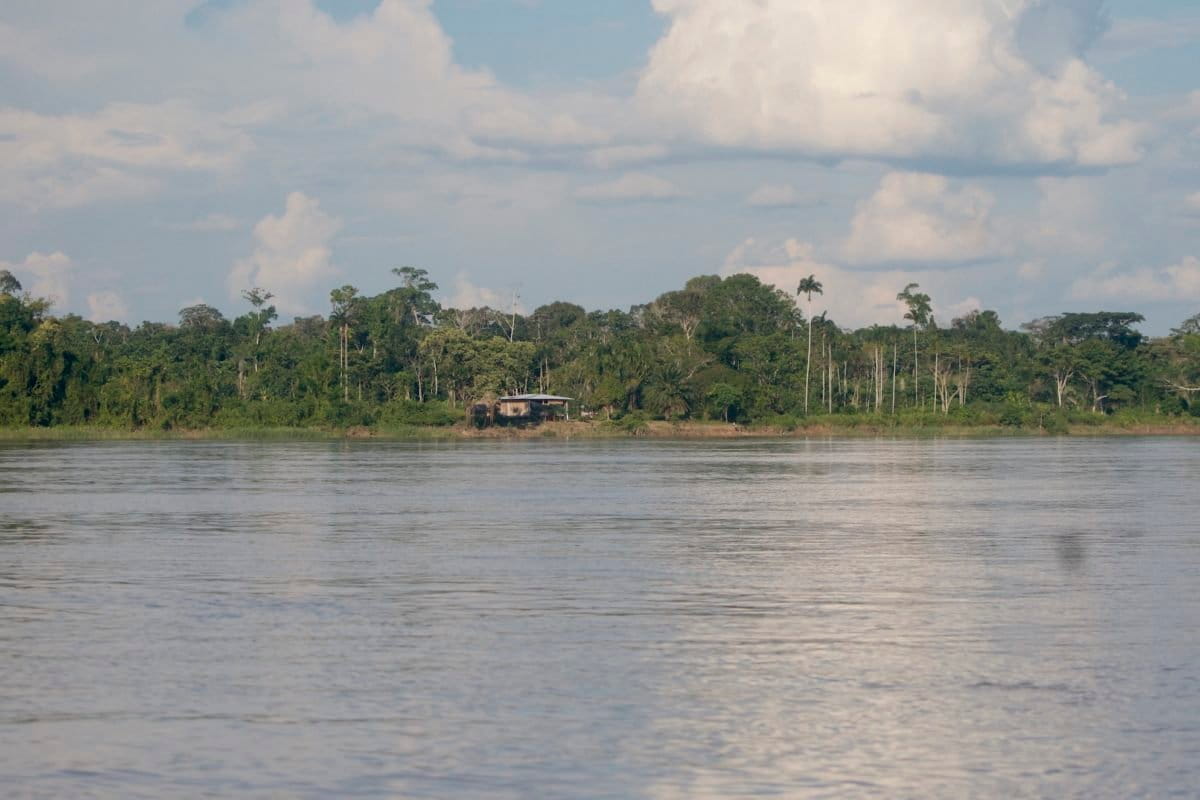
"All our resources, all our wealth comes from the water," says Isidore Jinou, who was initiated into Vodun 14 years ago. He works to protect the Bouche du Roy estuary, one of Benin's richest mangrove ecosystems along the Mono River.
Jinou describes the spiritual relationship clearly. "There is a certain communion between mangroves and us humans. It has a soul. We consider it a living being that we must not destroy or mistreat."
The Beninese government officially recognized Vodun as a national religion in 1996 and now weaves these traditions into environmental policy. Local authorities work alongside spiritual leaders and community chiefs to enforce protection.
The Ripple Effect
This collaboration shows how ancient wisdom can solve modern crises. The NGO Eco-Benin bridges the gap between traditional Vodun dignitaries and conservation science, proving that respecting cultural practices can amplify environmental protection.
Adjakou Akoutan Adjinda, director general of Benin's water, forests, and hunting agency, embraces this partnership. "I think the two are complementary. The local authority, which embodies the public force, is involved. The communities, through their chiefdoms and their deities, are involved."
Villages like Dado now have spiritual guardians who monitor protected areas daily. Fishing and woodcutting in sacred zones simply don't happen because spiritual consequences feel more immediate than distant government fines.
The model offers hope for other countries where environmental laws struggle against economic pressures and where indigenous spiritual traditions still hold community respect.
More Images


Based on reporting by Mongabay
This story was written by BrightWire based on verified news reports.
Spread the positivity!
Share this good news with someone who needs it