Ancient Whale Graveyard 23,000 Feet Deep Teems With Life
Scientists found a thriving underwater city built on whale bones 23,000 feet below the Indian Ocean. The million-year-old graveyard hosts creatures never seen before, proving life finds a way even in Earth's most extreme places.
Deep in the darkest corner of the Indian Ocean, whale bones from 5 million years ago have become apartment buildings for an entire city of sea creatures.
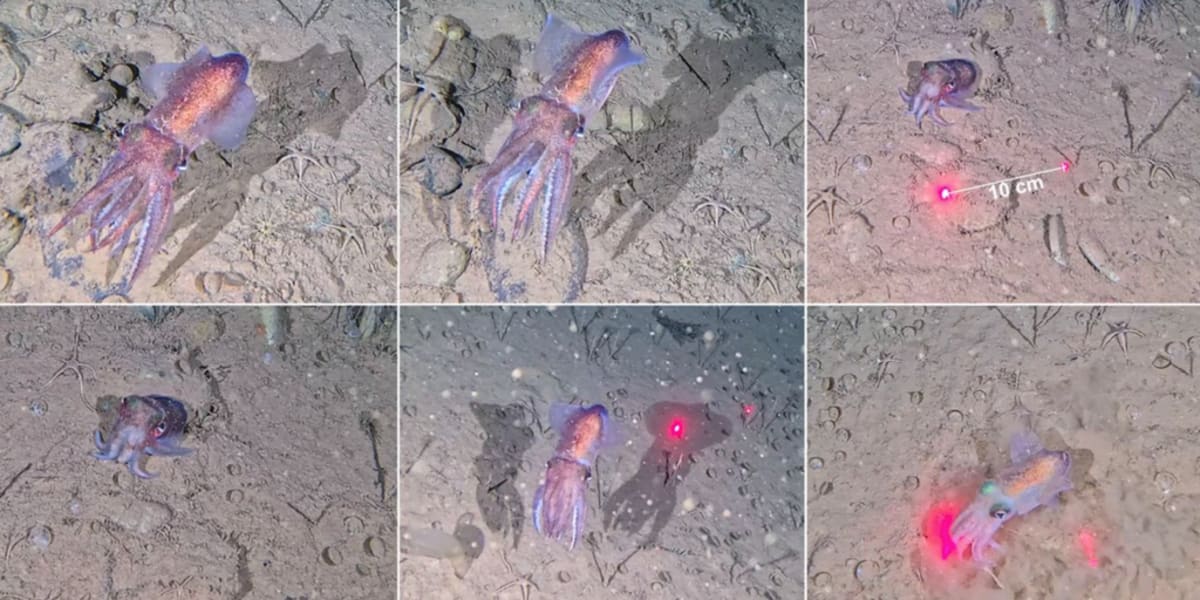
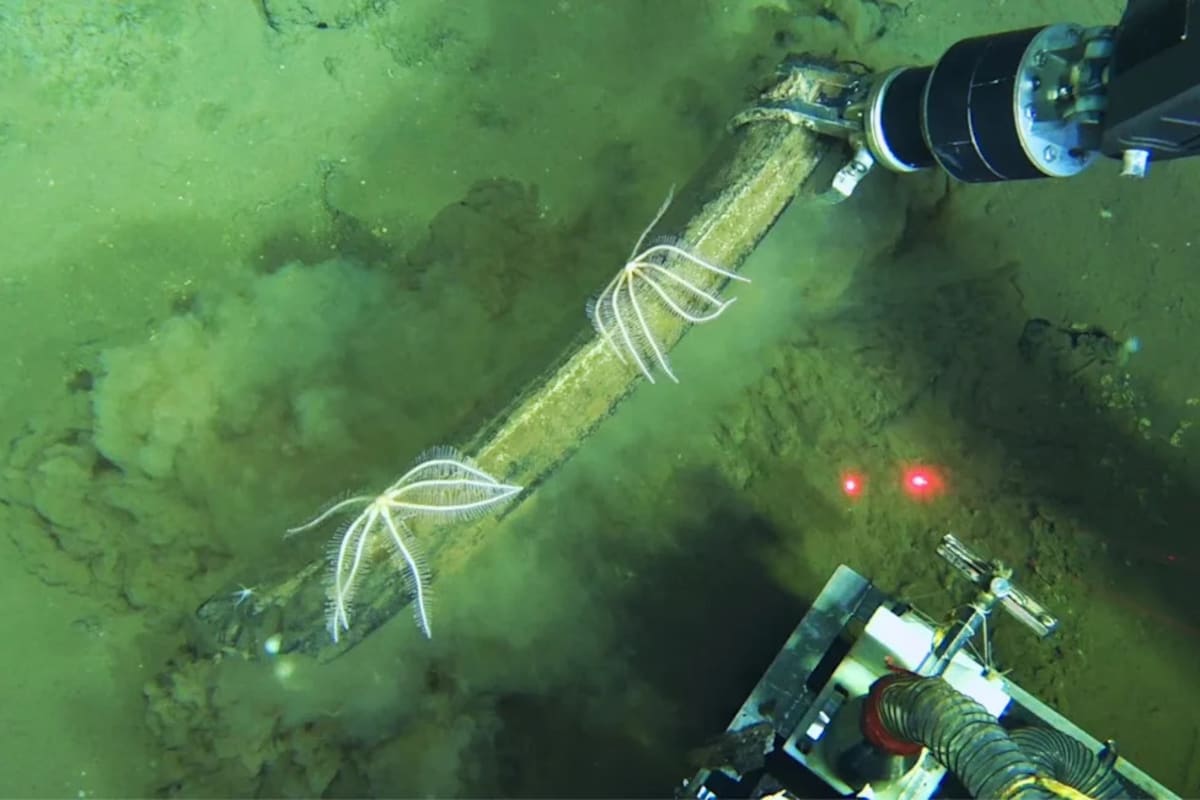
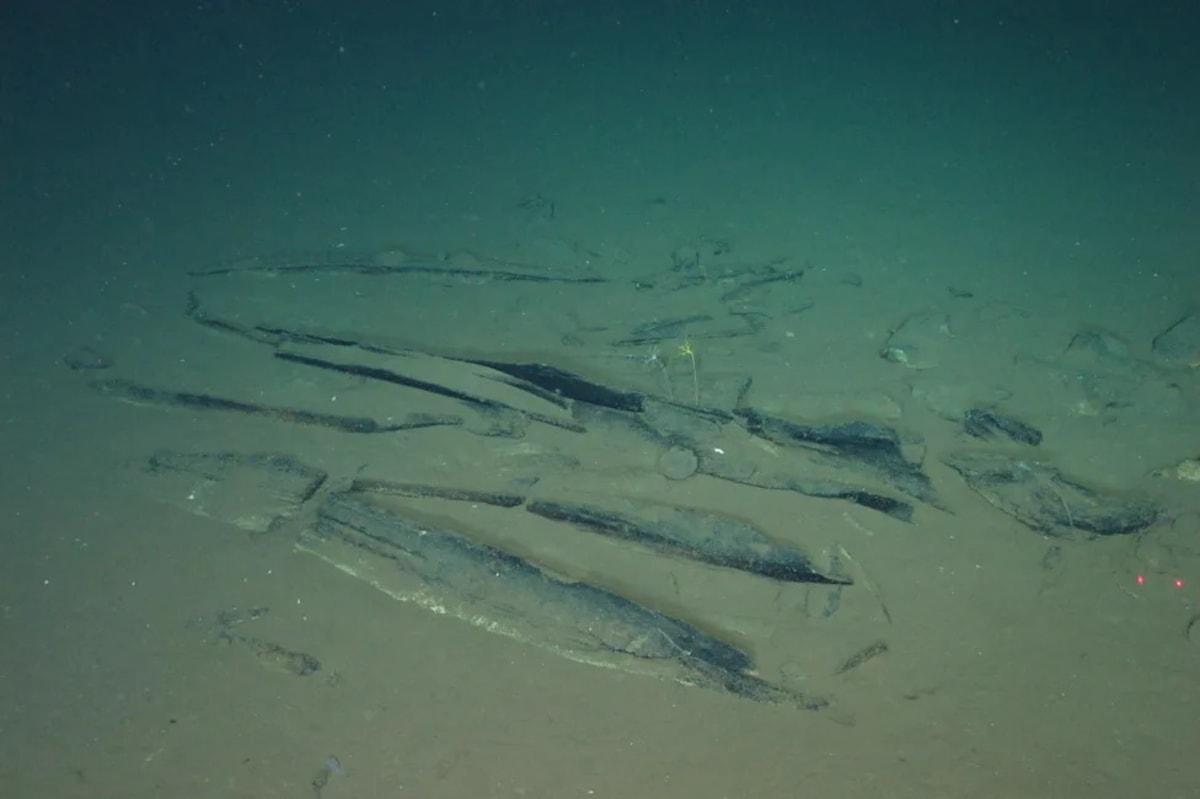
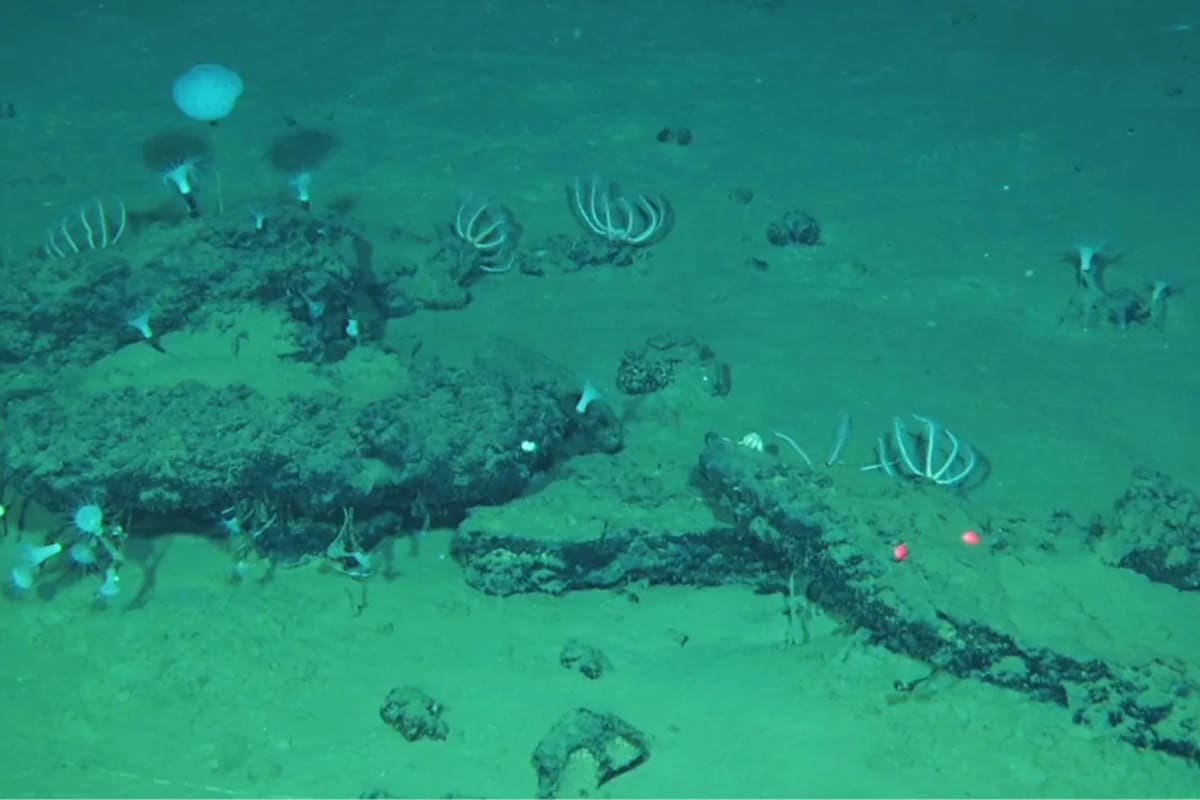
Scientists exploring nearly 23,000 feet below the surface discovered five whale carcass sites covered in jellyfish, tubeworms, brittle stars, sea cucumbers, and dozens of species never documented before. The graveyard spans the largest area ever found and holds the oldest whale bones ever discovered on the ocean floor.
When whales die and sink to the seafloor, their massive bodies become feasts that can sustain deep-sea life for decades. But this discovery goes far beyond a simple meal.
The whale bones here survived for millions of years because they're dense enough to resist bone-eating worms and deep enough to avoid getting buried by ocean sediment. A light mineral coating from the seawater likely protected them from breaking down completely.
Xikun Song, a biologist with the Chinese Academy of Sciences' Institute of Deep-sea Science and Engineering, led submersible trips in 2023 to collect samples and map the site. His team found skulls from both beaked and baleen whales, creating a prehistoric puzzle about why so many died in this spot.
The whales may have lived nearby and died of natural causes, or they could have perished from exhaustion during deep dives. The V-shaped geography of the area might have funneled their remains to this resting place like a giant underwater valley.
Why This Inspires
This discovery rewrites what we thought was possible in Earth's most hostile environments. No light reaches 23,000 feet down. Oxygen is scarce. The pressure would crush most living things instantly.
Yet life didn't just survive here. It thrived, building diverse communities around ancient bones in complete darkness.
"The potential number of specimens is just astounding," said paleontologist Stephen Godfrey with the Calvert Marine Museum in Maryland. Many creatures living on the bones appear to be entirely new species, waiting to be named and studied.
Giovanni Bianucci, a paleontologist with the University of Pisa who co-authored the study published in Nature, says understanding these graveyards helps scientists learn how life adapts to extreme conditions. The findings prove that even in places we assume are barren, nature finds creative ways to build homes.
The deep ocean remains one of Earth's last frontiers, less explored than the surface of Mars. This thriving whale graveyard reminds us that we're still discovering how remarkably resilient life can be.
More Images
Based on reporting by Google News - Scientists Discover
This story was written by BrightWire based on verified news reports.
Spread the positivity!
Share this good news with someone who needs it