Angola Protects Water Source for Millions Across Africa
A vast wetland system in Angola that supplies fresh water to millions of people across seven African nations just received international protection status. The designation marks nearly a decade of partnership between scientists and Indigenous communities who have safeguarded these vital waterways for generations.
Angola just gave millions of people across seven nations something to celebrate: permanent protection for one of Africa's most important water sources.
In January, the country designated Lisima Lya Mwono—meaning "source of life" in the local Luchazi language—as its first wetland of international importance. The massive area, roughly the size of Costa Rica, sits on a high-altitude plateau in eastern Angola and feeds some of Africa's most critical river systems, including the Congo, Zambezi and Cubango-Okavango basins.
The timing couldn't be more crucial. Days after the announcement, the United Nations declared the world has entered an era of "Global Water Bankruptcy," with drought and scarcity already displacing millions of people worldwide.
But this story isn't just about drawing lines on a map. The real heroes are the Indigenous and local communities who have protected this landscape for generations using traditional knowledge and customary systems.
Kerllen Costa, an environmental anthropologist with the National Geographic Okavango Wilderness Project, spent years living in remote villages and learning from elders and hunters. What he discovered challenged conventional conservation thinking.
Village elders described multiple distinct forest types, each with its own rules for use. Sacred lakes and forests remained deliberately untouched, protected by spiritual beliefs. Communities built their homes far from river headwaters to avoid disturbing the water sources that sustain life downstream.
"This site wasn't protected because someone drew a line on a map, it was protected because people already had systems in place that kept it intact," Costa said.
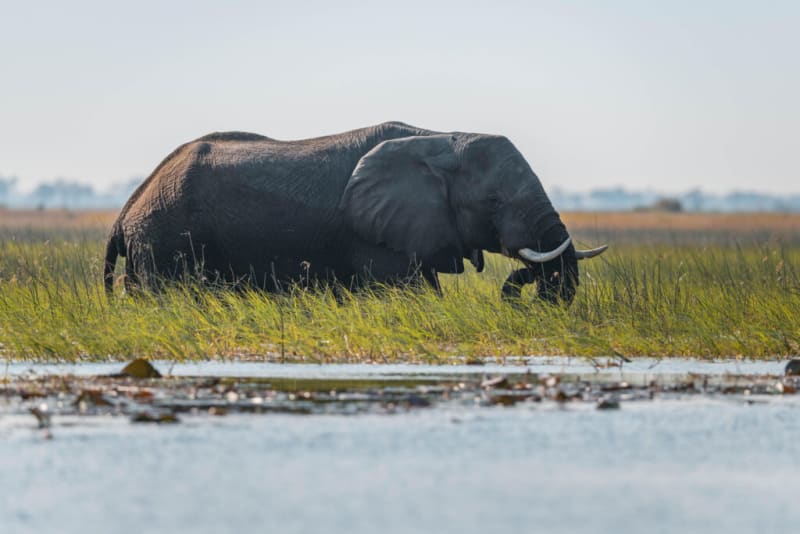
The region shelters some of Africa's most threatened wildlife, including the continent's largest remaining elephant populations, endangered wattled cranes, and declining populations of lions, leopards, cheetahs and wild dogs. The forests stretch as far as the eye can see, from central Angola all the way to Zambia.
Ironically, landmines left over from Angola's civil war have helped preserve the area by keeping out development. Now, the international designation brings global attention and potential conservation funding while requiring the government to balance environmental, social and economic needs.
The Ripple Effect
This protection extends far beyond Angola's borders. The wetlands provide fresh water for millions of people across seven nations, sustaining food systems, livelihoods and ecosystems throughout central and southern Africa.
The designation also validates what Indigenous communities have known all along: their traditional practices work. By documenting and honoring local knowledge, scientists created conservation programs based on centuries of proven wisdom rather than imposing outside solutions.
One initiative focused on restoring traditional hunting practices, where village chiefs grant permission, limit hunting periods and require accountability for what's taken. When outsiders began bypassing these systems, the partnership helped communities reassert their authority and protect wildlife populations.
This approach, which Costa calls Ñgala Okola or "sacred power," recognizes that local traditions and culture have unique conservation capabilities that modern science is only beginning to understand and appreciate.
Seven nations now have better water security because Angola listened to the people who knew the land best.
Based on reporting by Inside Climate News
This story was written by BrightWire based on verified news reports.
Spread the positivity!
Share this good news with someone who needs it

%2Ffile%2Fattachments%2Forphans%2Fozz1astreetmuralpromotingrhinoconservationinthetownofHluhluweKwaZuluNatalimagetonycarnie_225511.jpg)