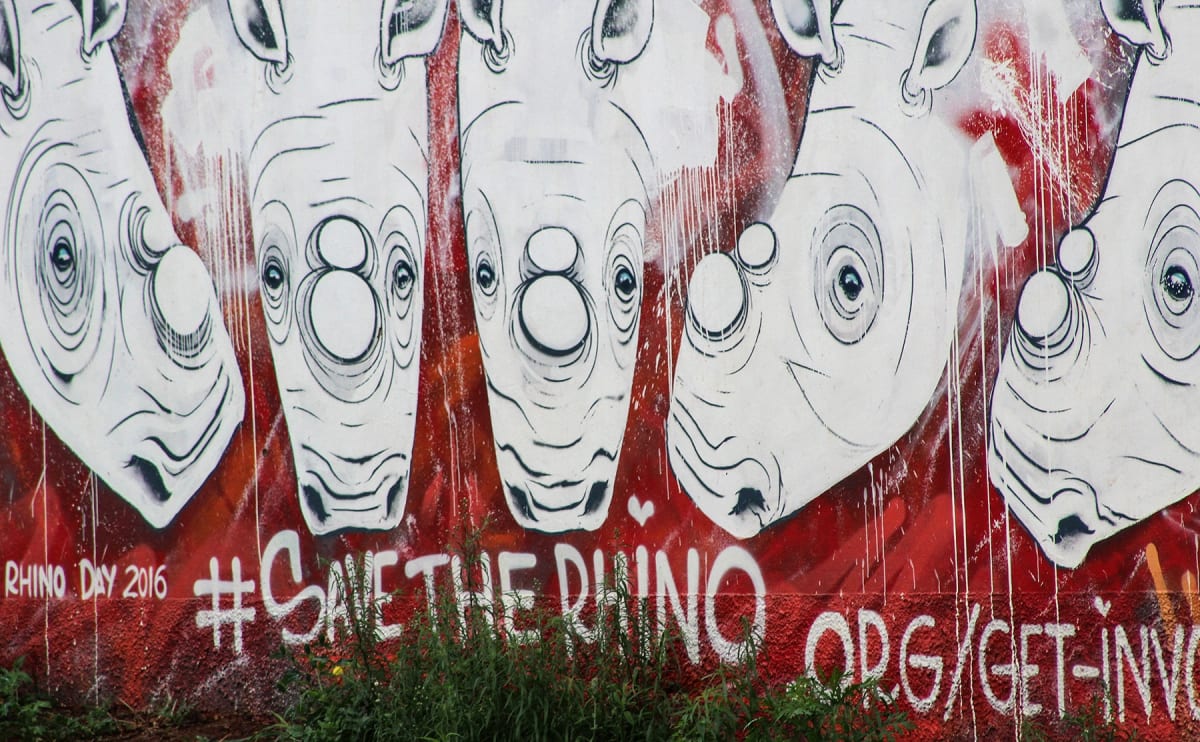
%2Ffile%2Fattachments%2Forphans%2Fozz1astreetmuralpromotingrhinoconservationinthetownofHluhluweKwaZuluNatalimagetonycarnie_225511.jpg)
Failed Rhino Plan Sends $9.6M to African Conservation
A cancelled project to move African rhinos to Australia is redirecting nearly $10 million to seven conservation groups protecting the animals where they live. The funds will support anti-poaching teams, orphan care, and community-led conservation across South Africa, Zimbabwe, and Namibia.
When rhino poaching peaked in South Africa 13 years ago with more than 1,000 animals killed in a single year, two entrepreneurs hatched an ambitious plan to save the species by breeding them in Australia. Now that the Australian Rhino Project is closing down, it's creating an unexpected win for conservation efforts back home.
The project raised $840,000 Australian dollars (about $9.6 million) with plans to relocate up to 200 white and black rhinos to breed safely in Queensland or New South Wales. But changing regulations and export restrictions made the original mission impossible to achieve.
Instead of letting the money sit unused, project leaders chose to redirect every dollar to organizations already doing the hard work of protecting rhinos on African soil. Seven conservation groups will receive funding this month after more than 50 organizations applied for support.
The money will fund urgent work like moving 12 rhinos from an insecure reserve to safety in South Africa's Waterberg region. It will also keep a specialized orphanage running that has successfully raised 46 baby rhinos since 2015.
Other funds will support anti-poaching dog teams and aerial surveillance across 42 game reserves in KwaZulu-Natal. GPS tracking systems will monitor rhinos across thousands of hectares in Limpopo's mountainous terrain.
The Ripple Effect
What started as one conservation approach has transformed into support for multiple proven strategies. The funding reaches from community-led black rhino protection across 25,000 square kilometers of Namibian conservancies to reintroducing black rhinos to Zimbabwe's Matusadona National Park.
Each recipient had to show exactly how the money would translate into protected animals on the ground. Programs will run between three and 12 months with strict monitoring to ensure funds are spent appropriately.
The shift reflects how rhino conservation has evolved since the crisis peaked. South Africa's poaching numbers dropped from over 1,200 deaths in 2014 to 352 last year as security improved and stricter measures took effect.
Project chair Allan Davies says the organizations receiving funds are doing unglamorous but essential work keeping animals alive right now, not at some distant point in the future.
Sometimes the best insurance policy isn't moving threatened animals halfway around the world but investing in the people already fighting to protect them at home.
More Images
%2Ffile%2Fattachments%2Forphans%2Fozz2rhinodonationssourceTARP_412072.jpg)
%2Ffile%2Fattachments%2Forphans%2Fozz4DrIanPlayerimagetonycarnie_752135.jpg)
Based on reporting by Daily Maverick
This story was written by BrightWire based on verified news reports.
Spread the positivity!
Share this good news with someone who needs it