%2Ffile%2Fattachments%2Forphans%2FNicky_Bay_IMG_32902_674598.jpg)
Angola Survey Finds Dozens of New Species in Highlands
Scientists exploring one of Africa's least-studied regions discovered eight new dragonfly species, three grasshoppers, and 60 butterflies and moths previously unknown to science. The remote Angolan highlands feed some of Africa's most important river systems but remained a biological mystery for decades.
A team of 16 scientists ventured into Angola's remote Lisima plateau this February and found a hidden treasure trove of life that science had never documented before.
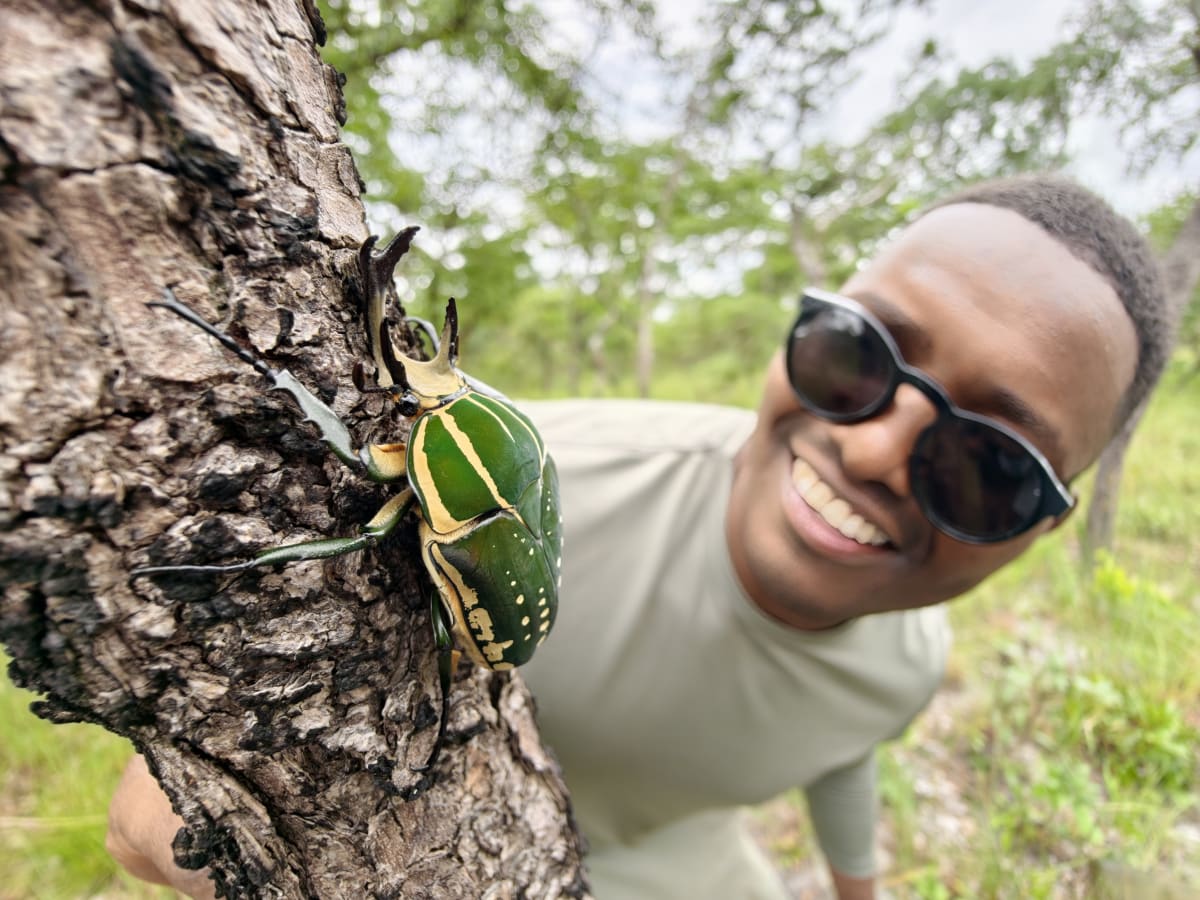
The expedition recorded 103 dragonfly and damselfly species in a region once kept off limits by decades of civil war and landmines. Eight of those dragonflies had never been described by science, along with three grasshopper species and roughly 60 moths and butterflies still awaiting formal classification.
The Angolan Highlands Water Tower sits high on the country's eastern plateau, a vast landscape where some of Africa's most important rivers begin their journeys. Water flowing from these headwaters feeds the Congo, Okavango, Zambezi and Cuanza river systems, sustaining life across thousands of kilometers and powering ecosystems like Botswana's legendary Okavango Delta.
Yet while the delta became famous worldwide, the highlands feeding it remained almost completely unknown to science. Angola's civil war, persistent landmines, and difficult access kept researchers away for decades, leaving a massive blank spot on Africa's biological map.
The Cassai Life Atlas expedition, conducted by The Wilderness Project with support from Fundação Lisima and The HALO Trust, set out to finally document what lives in these vital headwaters. The team included specialists in everything from dragonflies to bats to plants, working together to capture a complete picture of the region's biodiversity.
"Being on the ground in a place like this is both a privilege and a thrill," said Rob Taylor, the expedition's leader and a conservation ecologist. "These headwaters provide water, ecological resilience and support livelihoods far downstream."
The dragonflies told perhaps the clearest story about why this place matters. These insects live tightly bound to freshwater, and their diversity reflects the health of streams, wetlands and rivers. The team found highly specialized species living nowhere else on Earth, drawn to some of the clearest and most reliable fresh water in Africa.
Among the moths, researchers found something unusual: Congo forest species, Cape fynbos species, and miombo woodland species all appearing in the same wider landscape. The team later raised caterpillar specimens to connect 25 moth species with their specific host plants, basic ecological relationships that had never been documented in this region.
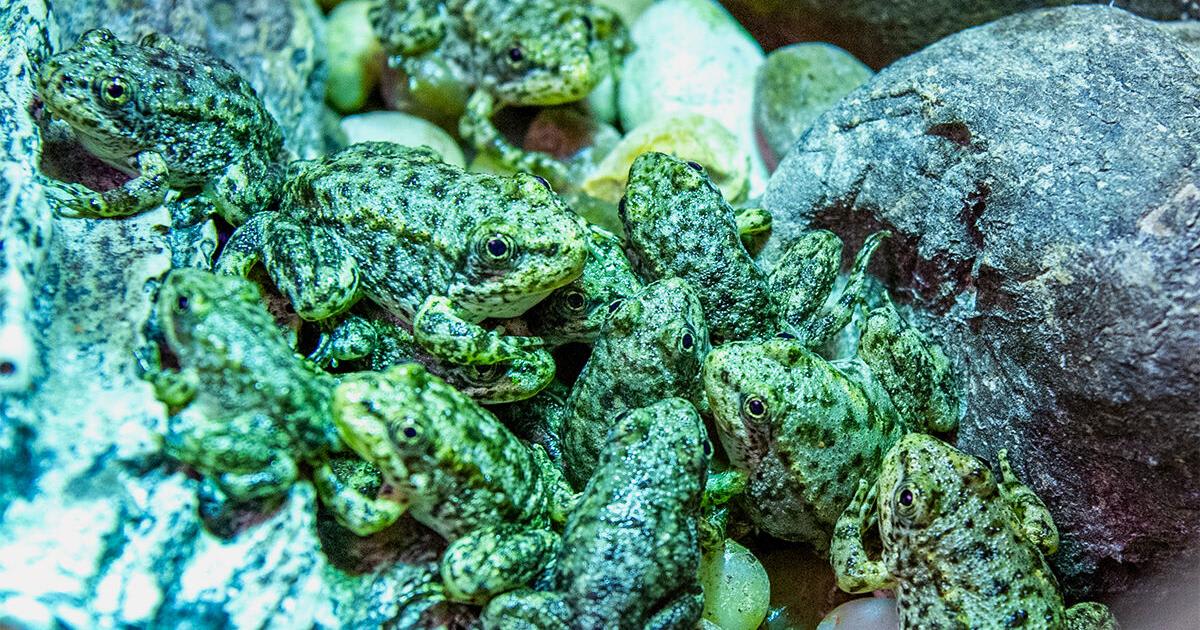
The single wet-season survey recorded 47 reptile and amphibian species, including Gaboon adders, variable bush vipers, Anchieta's cobras, and a rich assemblage of wetland frogs. Plant researchers made more than 320 collections across different habitats, building the botanical baseline needed to understand how the entire system functions.
The Ripple Effect
The discoveries at Lisima reach far beyond the plateau itself. Understanding what lives in these headwaters helps protect the entire river system flowing downstream, where millions of people and countless species depend on the water for survival.
The findings also show that even in 2026, Earth still holds biological mysteries worth protecting. Remote places like the Angolan highlands may harbor thousands of species science has never encountered, each playing roles we're only beginning to understand in ecosystems that sustain life across entire regions.
Scientists continue analyzing specimens in laboratories, with more discoveries likely still to come from this single expedition into one of Africa's last biological frontiers.
More Images

%2Ffile%2Fattachments%2Forphans%2FRob_Taylor_DSC_96152_986476.jpg)
%2Ffile%2Fattachments%2Forphans%2FRob_Taylor_DSC_90352_287144.jpg)
Based on reporting by Daily Maverick
This story was written by BrightWire based on verified news reports.
Spread the positivity!
Share this good news with someone who needs it

%2Ffile%2Fattachments%2F2998%2F14147038_376896.jpg)