California Aquarium Saves 1,000 Endangered Frogs From Extinction
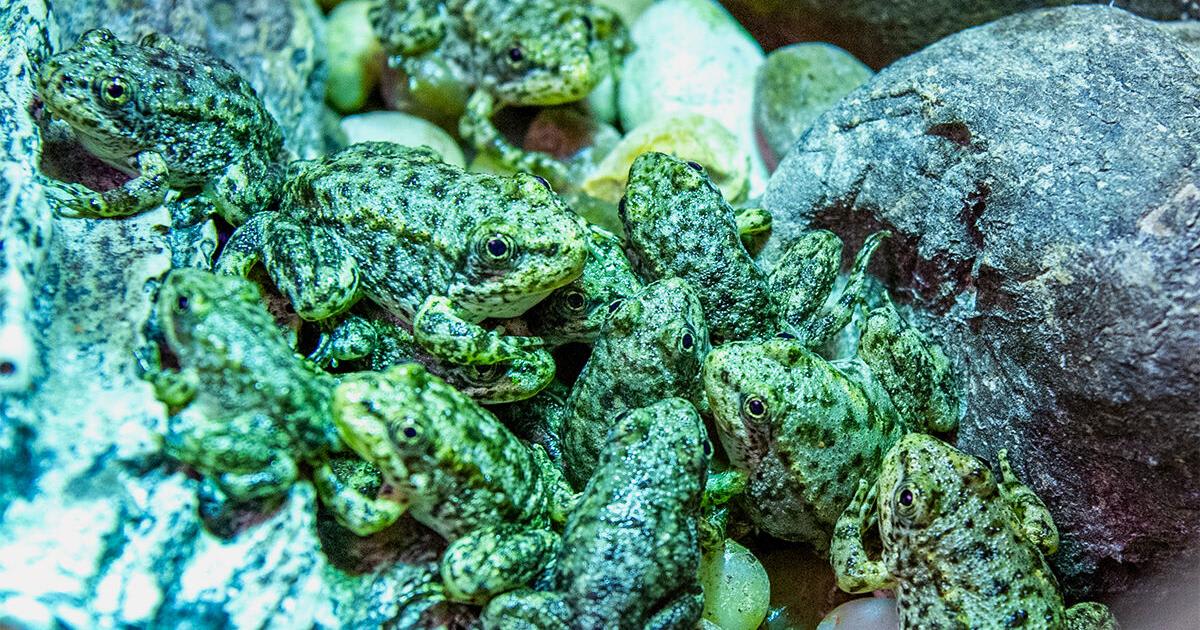
A Long Beach aquarium just hit a milestone that seemed impossible five years ago: raising and releasing 1,000 critically endangered mountain yellow-legged frogs into California's wild streams. When the program started in 2021, fewer than 200 of these rare frogs remained in the entire state.
Three water tanks in a quiet room at the Aquarium of the Pacific hold what might be California's best hope for saving one of Earth's rarest vertebrates. Inside, biologists are raising mountain yellow-legged frogs that were nearly wiped off the planet.
The numbers tell a stunning comeback story. In 2002, fewer than 100 adult frogs remained in Southern California. By 2020, that number had crept up to just 188 in the wild. Now, thanks to the aquarium's five-year effort, more than 1,000 frogs have been released back into their native mountain streams.
The species collapsed under a perfect storm of threats: wildfire, fungal disease, pesticides, mudslides, and hungry predators like nonnative trout and bullfrogs. The 2020 Bobcat fire alone destroyed 95% of their remaining habitat in the San Gabriel Mountains. That's when the aquarium stepped in.
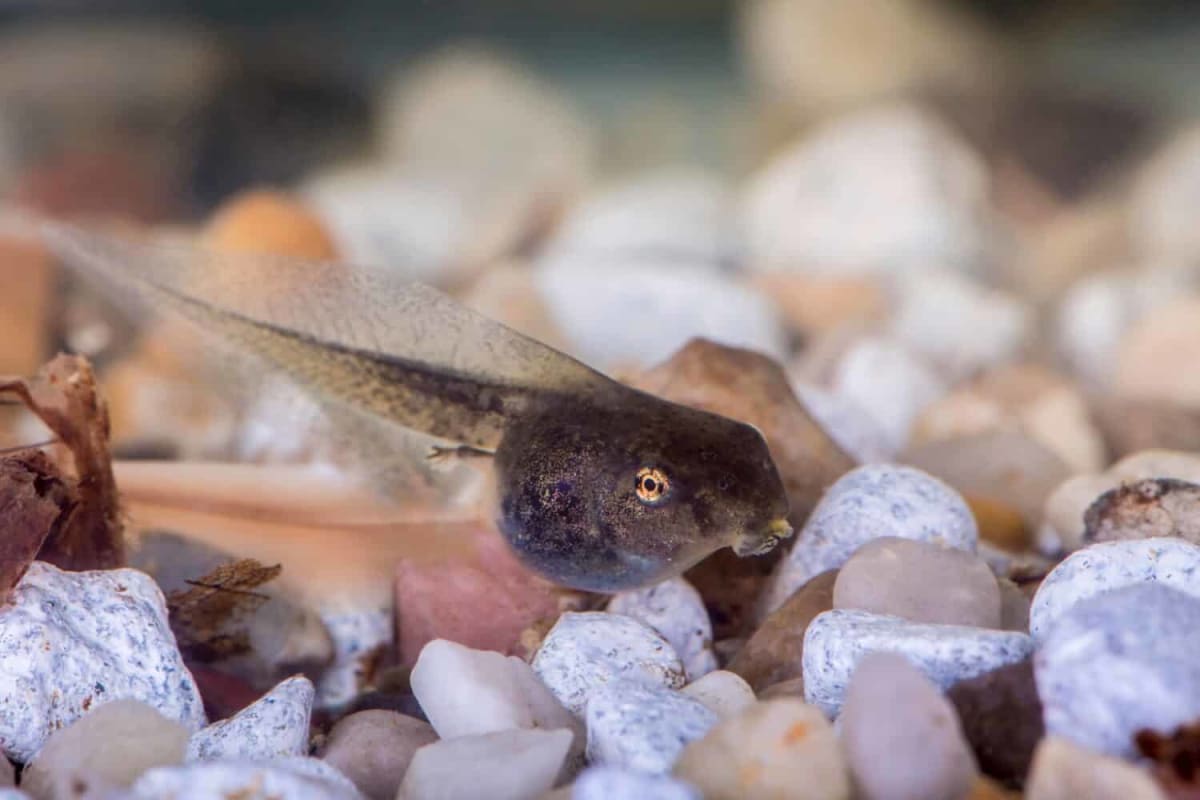
The process is surprisingly complex. Tadpoles bred at the Los Angeles Zoo arrive at the aquarium, where staff raise them for one to two years until they transform into froglets. Some tadpoles can stay in that stage for up to five years, making each frog's actual age a mystery.
Staff engineer everything to match the mountains. Water temperatures drop from 60 degrees in summer to 52 in winter. UV exposure shifts with the seasons. It's like bringing the San Gabriel Mountains indoors.
In the latest release, 653 frogs made the journey back to mountain streams, including 394 raised at the aquarium. The Santa Ana Zoo now helps with the growing tadpole population, caring for frogs each October until they're ready for the wild.
The team separates frogs carefully by genetics and origin, ensuring each returns to its native range. This preserves healthy genetic lines and gives the species its best shot at survival.
The Bright Side
Scientists are tackling the frog's biggest threat: chytrid fungus, a microscopic pathogen that has devastated amphibian populations worldwide. Researchers believe that raising so many frogs increases the chance of finding individuals with natural resistance to the disease. They're testing whether frogs can be inoculated before release or if introducing helpful microbes to their skin might help them fight off the fungus naturally.
Conservation biologist Erin Lundy has watched frogs she cared for hop into mountain streams on three different release trips. Some shoot off immediately into the current. Others pause at the water's edge for a few minutes, lingering beside the staff who raised them.
"Almost feels like they're saying goodbye," Lundy said.
It's bittersweet joy wrapped in Christmas morning excitement, watching years of careful work disappear beneath the surface of a cold mountain stream. But for a species that was facing certain extinction, every frog that makes it back to the wild rewrites the ending of their story.
More Images


Based on reporting by Google: species saved endangered
This story was written by BrightWire based on verified news reports.
Spread the positivity!
Share this good news with someone who needs it