Angola's Bishops Call for Peace After August Violence
Catholic leaders in Angola are urging the country toward healing after violent clashes in August left communities wounded and fearful. Their message focuses on restorative justice and acknowledges real progress despite setbacks.
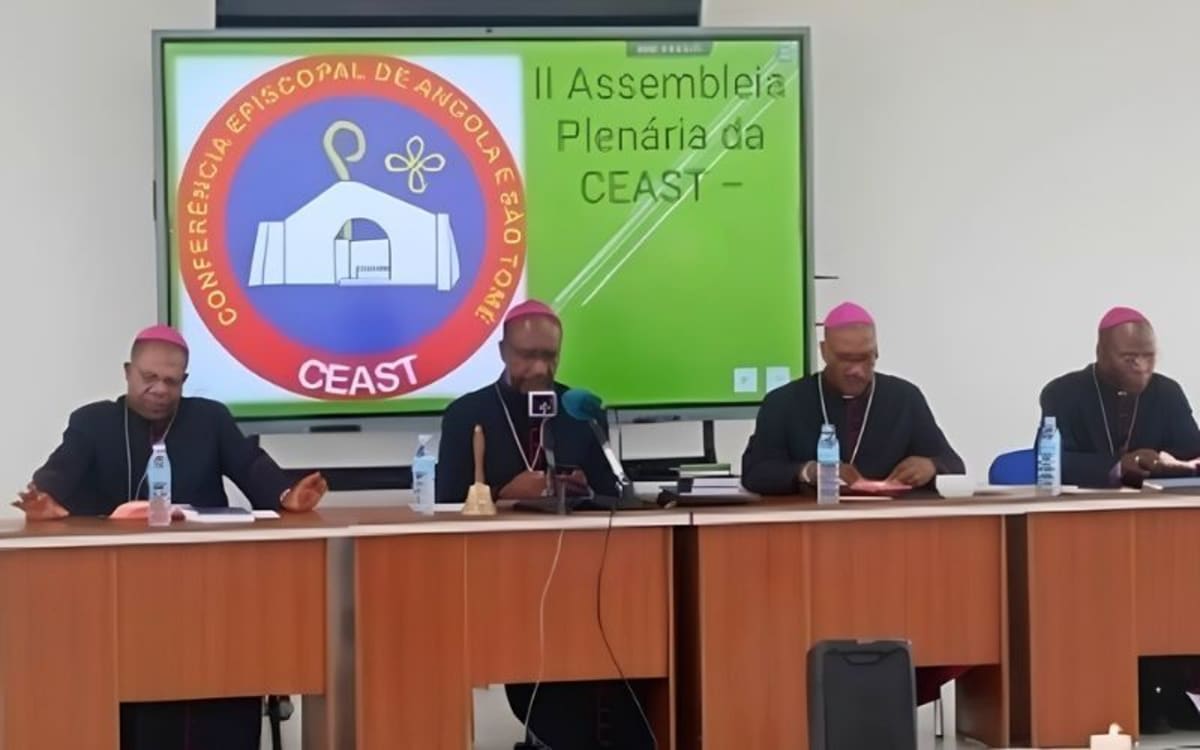
Angola's Catholic bishops are calling their country toward reconciliation after a month that tested the nation's fragile peace.
In late August, violent incidents erupted in multiple Angolan cities. Police clashed with supporters of the opposition party UNITA during a memorial event in Uíge, leaving people injured on both sides. Days later in Cazombo, riots broke out when authorities prevented the traditional burial of a 96-year-old Lunda-Ndembu King.
The Bishops' Conference of Angola and São Tomé condemned the violence in a statement released August 31. They described feeling "profoundly shocked" by events that caused not just physical harm but emotional and spiritual damage to communities trying to build a peaceful nation together.
Rather than simply demanding punishment, the bishops proposed a different path. They called for restorative justice that looks beyond legal consequences to heal relationships and rebuild trust between citizens and authorities.
"We call upon the authorities and all those involved to spare no effort to mitigate the impacts of these events and the wounds left open," the church leaders wrote. They urged Angola's two major political parties, MPLA and UNITA, to create faster conflict resolution systems in cities and towns across the country.
The Bright Side
Despite their concerns about recent violence, the bishops recognized something important. Angola has come a long way from its darker past.
"When an honest look is taken at our past, it is evident that we, Angolans, have been progressing in deepening our coexistence as brothers and sisters," they noted in their statement. The country that once endured a devastating 27-year civil war has been steadily building pathways toward peace, even if progress feels slower than many hoped.
The bishops emphasized that preserving this progress requires addressing conflicts before they explode into violence. Their vision of restorative justice goes beyond holding people accountable to helping entire communities learn from painful incidents and chart a new direction together.
They also appealed directly to Angolans' shared values, reminding citizens that "whoever offends their brother offends God" and urging peaceful solutions to disagreements. The statement acknowledged that Angola's potential and desire for improvement remain far greater than its current challenges.
Angola's faith leaders are betting that reconciliation, not retribution, will write the next chapter of their nation's story.
More Images


Based on reporting by Google News - Reconciliation
This story was written by BrightWire based on verified news reports.
Spread the positivity!
Share this good news with someone who needs it