Antarctic Ice Reveals 3-Million-Year Climate Discovery
Scientists just solved a 3-million-year puzzle hiding in Antarctic ice, uncovering surprising clues about how Earth's climate changed over time. The discovery could reshape our understanding of what drives long-term climate shifts.
Ancient ice from Antarctica is rewriting what scientists thought they knew about Earth's climate history.
Researchers from Oregon State University analyzed ice and trapped air bubbles stretching back 3 million years. What they found surprised them: Earth cooled dramatically during this time, but greenhouse gas levels barely budged.
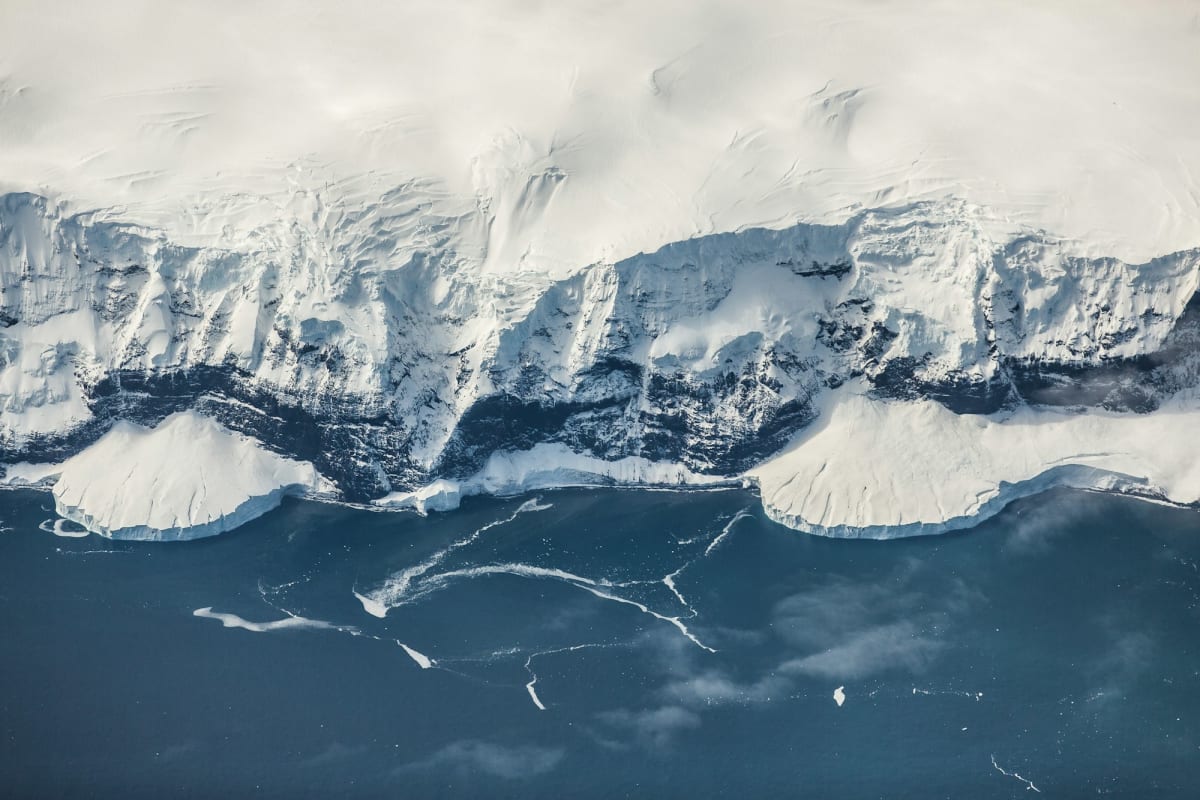
The team examined ice from Allan Hills along the East Antarctic ice sheet. Unlike typical ice cores that provide a continuous timeline, this ice offers snapshots of climate conditions from different eras, giving scientists a much longer view into the past.
Ocean temperatures dropped by about 2 to 2.5 degrees Celsius over the past 3 million years. Much of that cooling happened early, beginning around 3 million years ago when large ice sheets formed in the Northern Hemisphere.
Here's the twist: carbon dioxide levels only decreased slightly, from about 250 parts per million to 230 parts per million. Methane levels stayed steady at around 500 parts per billion.
This mismatch between temperature and greenhouse gases tells scientists something important. Other forces beyond carbon dioxide and methane were driving climate change during this period.
Why This Inspires
This discovery opens new doors in climate science. By proving that multiple factors shape Earth's climate over millions of years, researchers are building a more complete picture of how our planet works.
Changes in ice coverage, ocean circulation patterns, and how much sunlight Earth reflects all played major roles in cooling the planet. Understanding these complex interactions helps scientists better predict future climate patterns and responses.
The research also demonstrates the power of looking backward to move forward. These ancient ice samples are literal time capsules, preserving atmospheric conditions from eras when forests grew in Greenland and sea levels reached much higher along the U.S. East Coast.
Doctoral student Julia Marks-Peterson and her colleagues produced the first direct measurements of carbon dioxide and methane spanning this entire period. Their work gives scientists hard data instead of estimates, making our understanding of ancient climates more accurate.
The team believes even older ice may exist in Antarctica, potentially extending climate records back 5 million years or more. Each discovery brings new questions and deeper insights into how Earth's climate evolves.
This research reminds us that scientific mysteries still wait to be solved, and each answer brings us closer to understanding the world we call home.
Based on reporting by Science Daily
This story was written by BrightWire based on verified news reports.
Spread the positivity!
Share this good news with someone who needs it