NASA's Artemis II Crew Captures Stunning New Earthset Photo
The Artemis II astronauts broke the distance record for human spaceflight and photographed Earth from farther away than anyone in history. Their stunning "Earthset" image, released on Earth Day, continues a 58-year tradition of space photography that helps us understand and protect our home planet.
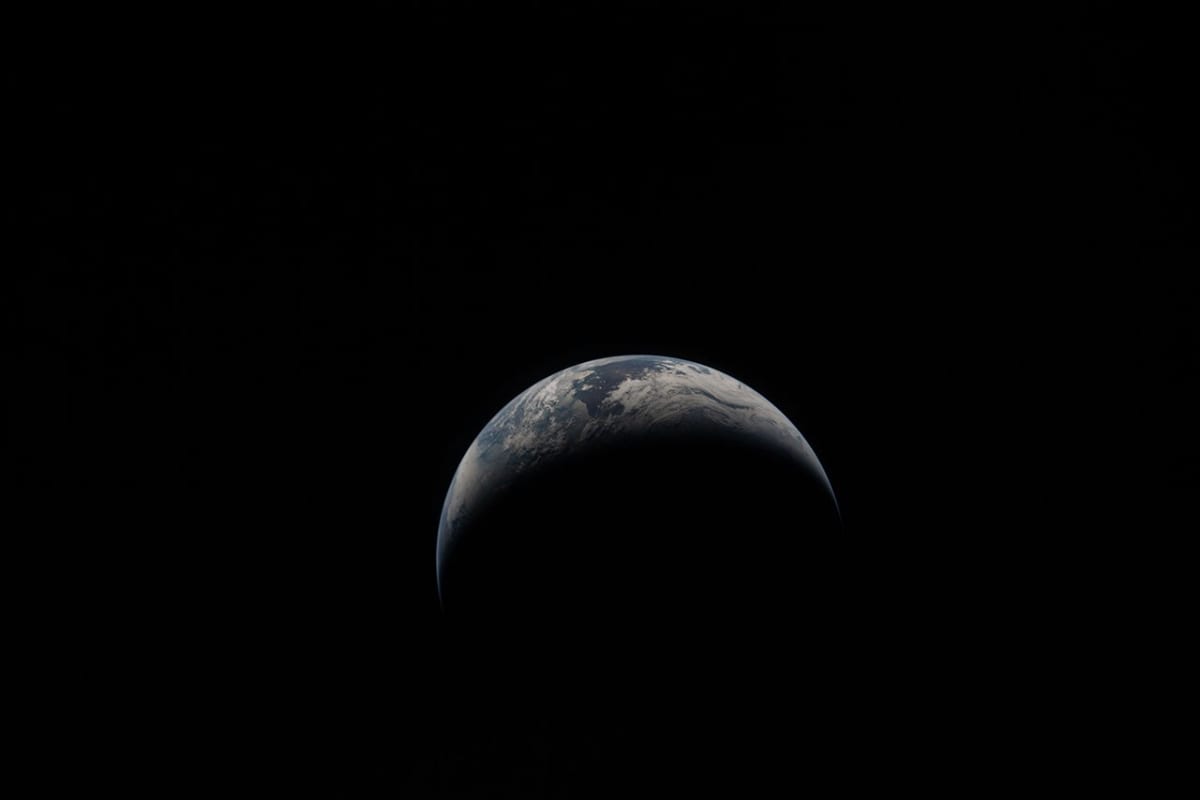
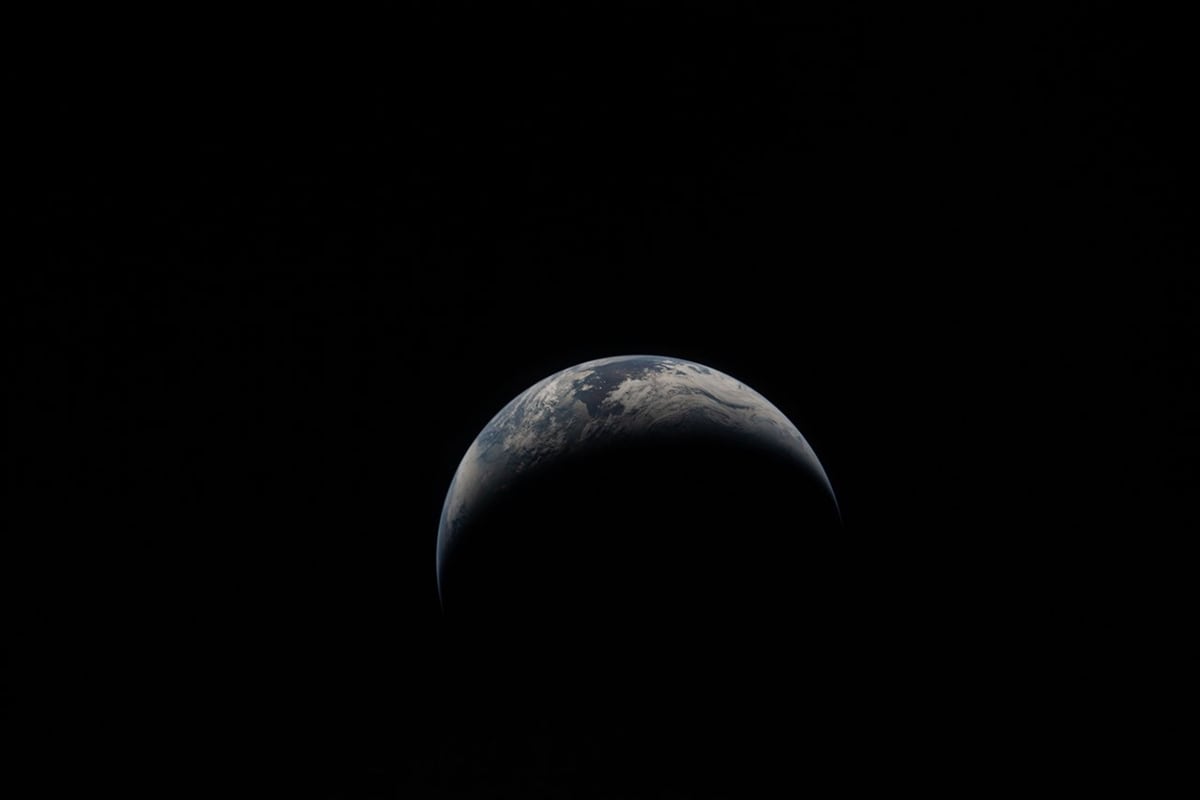
When four astronauts flew around the far side of the Moon on April 6, they captured something breathtaking: Earth sinking below the lunar horizon, a glowing crescent against the darkness of space.
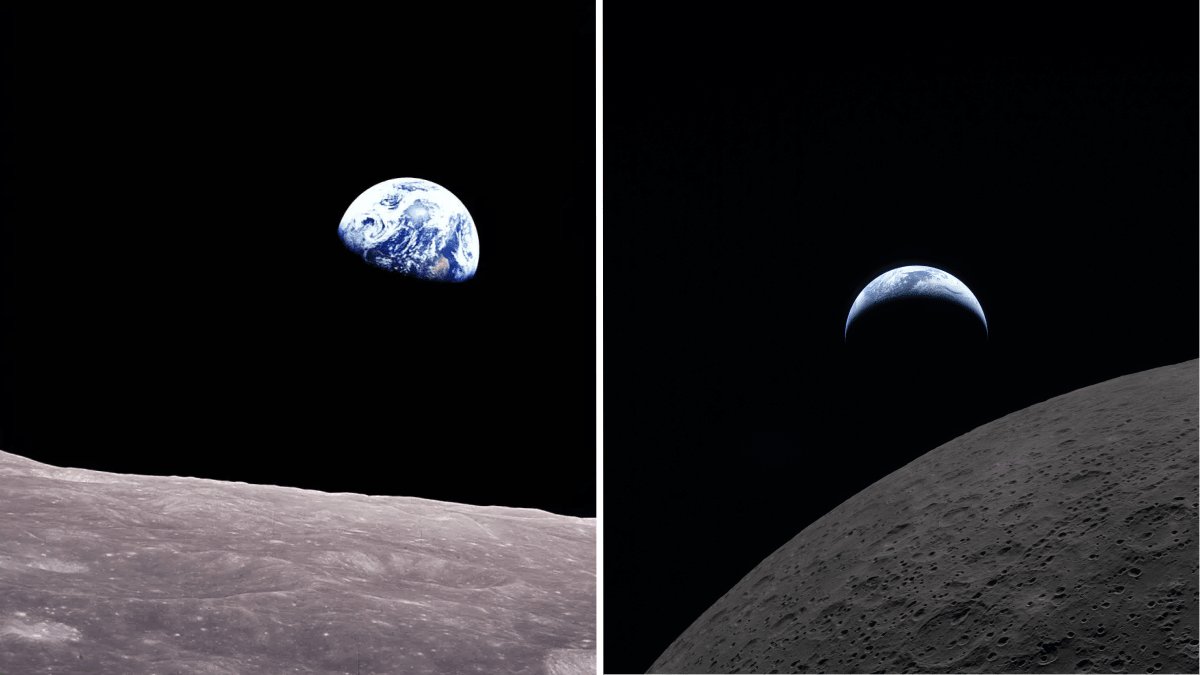
The Artemis II crew traveled farther from home than any humans before them. As they set that distance record, they photographed what NASA is calling "Earthset," a companion to the famous "Earthrise" image captured by Apollo 8 astronauts in 1968.
That original Earthrise photo helped spark the first Earth Day celebration two years after it was taken. Now, 58 years later, the new image reminds us why that view still matters.
"Our four Artemis II astronauts took humanity on a journey that showed us just how special and bright our Earth is, even from the dark side of the Moon," said Nicky Fox, NASA's associate administrator for science. The crew included Reid, Victor, Christina, and Jeremy.
The Ripple Effect
These stunning photos do more than inspire. They represent decades of technology that now helps communities prepare for floods, droughts, and wildfires.
Since those early handheld cameras, NASA's Earth observation has transformed into a powerful tool. The agency's satellites now track everything from melting glaciers to rising seas, giving cities and farmers actionable information to protect lives and crops.
The recently launched NISAR satellite uses advanced radar to measure how Earth's surface is shifting. It can see through clouds and trees to spot changes invisible to the human eye, including ground subsidence threatening coastal cities like New Orleans.
Another new satellite called PACE monitors ocean health by tracking tiny marine organisms from space. These missions build on data collected for decades, creating a vital record of how our planet is changing.
"NASA's Earth science missions continue to deliver critical data that strengthen communities, support industries like agriculture, and help the nation anticipate and respond to natural hazards," said NASA Administrator Jared Isaacman.
The technology has come incredibly far since 1968. Apollo astronauts pressed Hasselblad cameras against spacecraft windows, while today's instruments include the most powerful radar ever flown in space.
But the mission remains the same: understanding our home in the cosmos. From 240,000 miles away, the Artemis II crew reminded us that Earth is still our brightest beacon in the darkness.
More Images


Based on reporting by NASA
This story was written by BrightWire based on verified news reports.
Spread the positivity!
Share this good news with someone who needs it