NASA's Curiosity Finds Ancient Organic Molecules on Mars
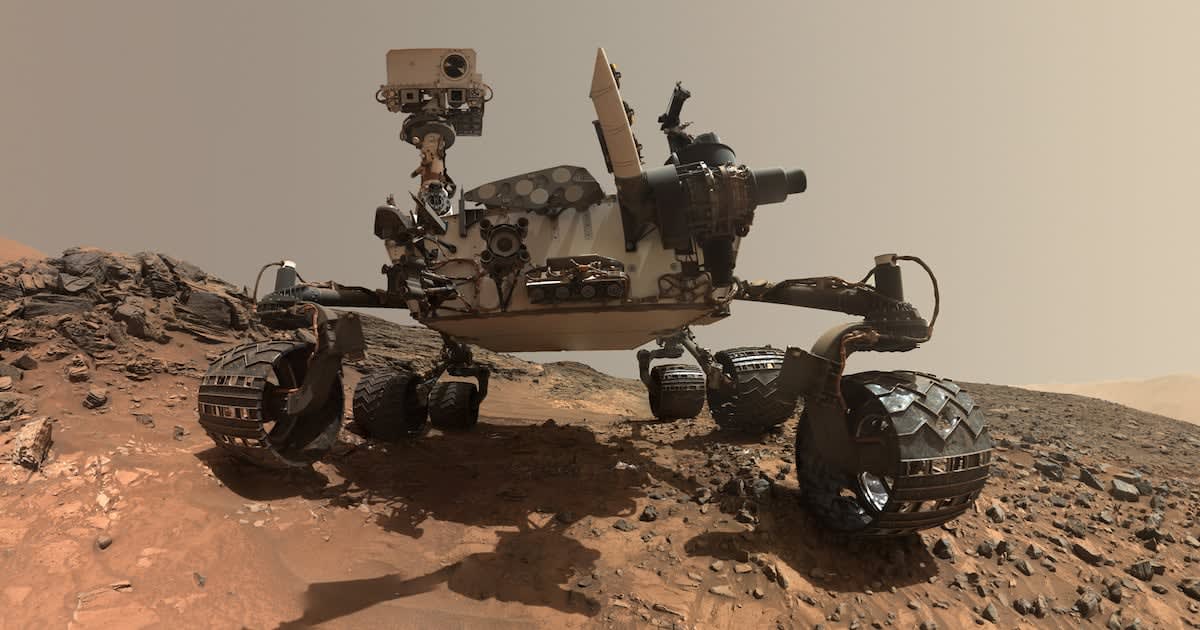
NASA's Curiosity rover discovered seven types of organic molecules in 3.5 billion-year-old Martian rocks, including five never seen on Mars before. The find shifts the conversation from "Did life exist on Mars?" to "Where might traces remain?"
Scientists just found something extraordinary in rocks older than most life on Earth: organic molecules on Mars that could rewrite our understanding of life beyond our planet.
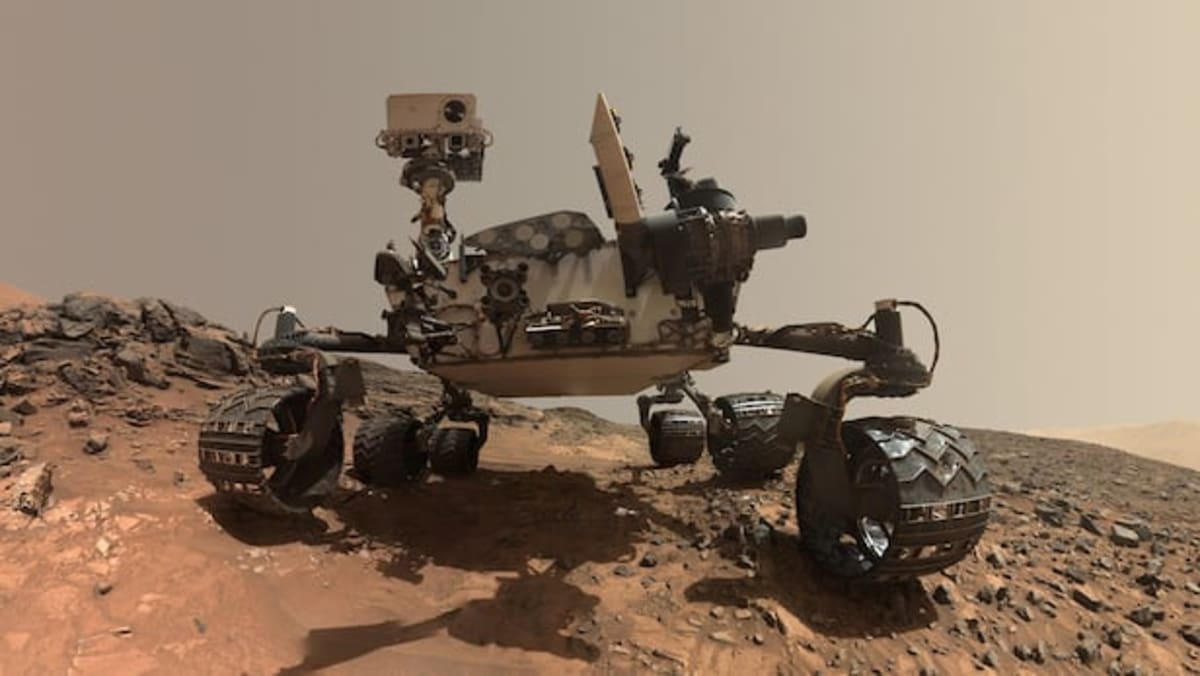
NASA's Curiosity rover uncovered seven types of organic molecules in clay samples from Mars' Gale Crater, a site that once held an ancient lake. Five of these molecules had never been observed on Mars before, and some contain nitrogen similar to DNA components.
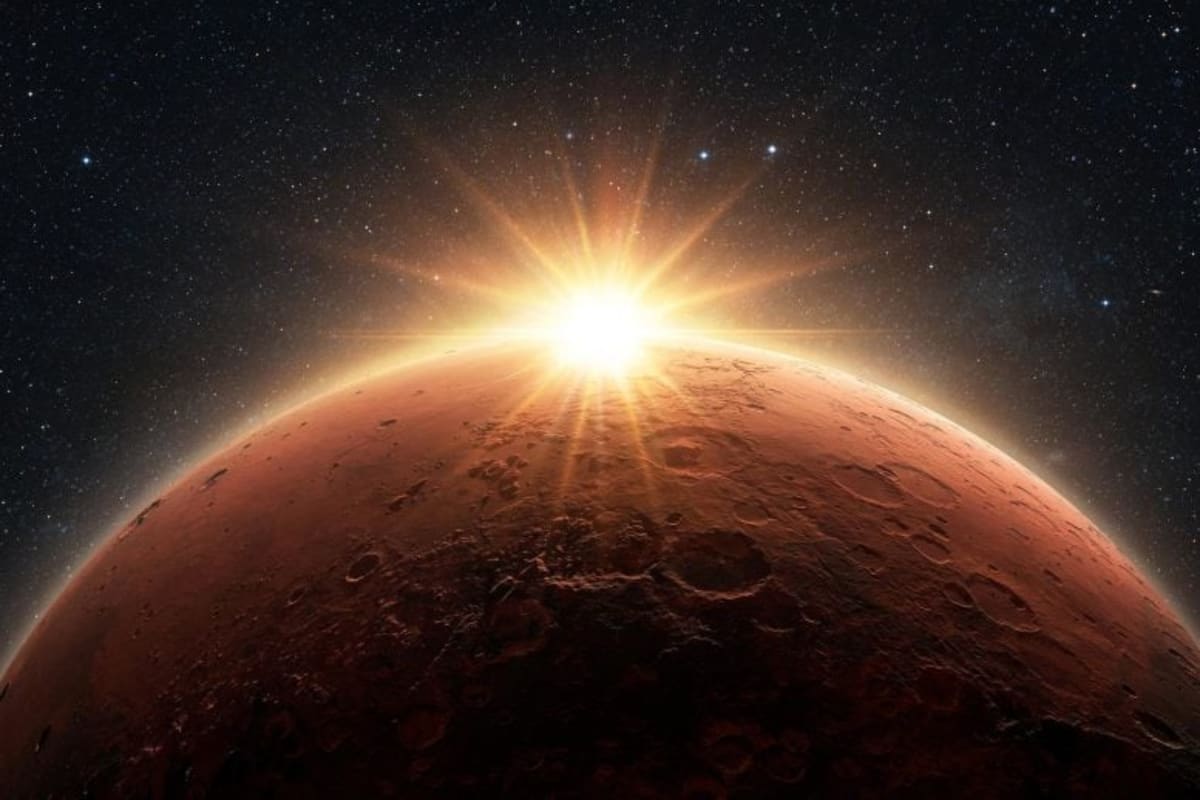
The discovery comes from rocks formed 3.5 billion years ago, when Mars looked dramatically different than today. While the Red Planet's surface now experiences nighttime temperatures below negative 100 degrees Celsius and harsh solar radiation, ancient Mars had liquid water and a protective atmosphere.
Professor Amy Williams from the University of Florida led the research team that published these findings in Nature Communications. They found the organic material preserved in clay minerals, which act like nature's time capsules by protecting delicate molecules for billions of years.
The team emphasizes this isn't proof of ancient Martian life yet. The organic molecules could have arrived via meteorites, formed through geological processes, or been left behind by microorganisms. Bringing rock samples back to Earth for detailed analysis will provide the definitive answer.
The Ripple Effect
This discovery represents more than just finding molecules on another planet. It signals a major evolution in how scientists approach Mars exploration. The question has shifted from the broad "Did life exist?" to the more focused "Where and in what form do traces remain?"
Curiosity landed in Gale Crater in August 2012 specifically to assess whether Mars could have sustained ancient microbial life. Its successor, Perseverance, joined the search in 2021 with even more advanced tools for detecting biosignatures.
The findings are already strengthening plans for future missions to return Martian rock samples to Earth. These sample return missions represent humanity's best chance at answering one of our most profound questions: Are we alone in the universe?
Every new discovery like this one brings us closer to understanding not just Mars, but the potential for life throughout the cosmos. What seemed like science fiction decades ago now drives real missions, real discoveries, and real hope for finding our cosmic neighbors.
The search continues, and each rock Curiosity analyzes writes another chapter in humanity's greatest detective story.
More Images
Based on reporting by Google: Mars rover discovery
This story was written by BrightWire based on verified news reports.
Spread the positivity!
Share this good news with someone who needs it