Antarctic Krill Found Thriving at Deep-Sea Vents
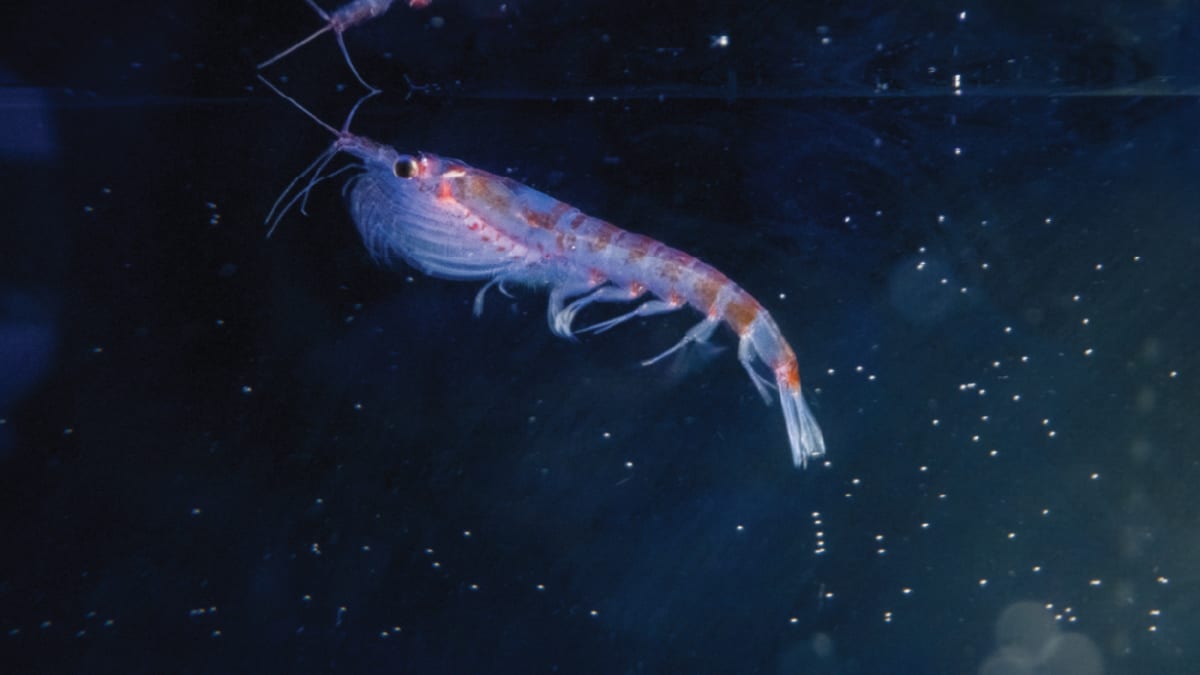
Scientists discovered Antarctic krill 3,600 feet deep at hydrothermal vents for the first time, potentially revealing a crucial new habitat for these ecosystem superstars. The surprise find could help protect these tiny crustaceans as climate change rapidly transforms their Southern Ocean home.
A marine biologist almost spilled her tea when she spotted something impossible dancing across the screen during a deep-sea expedition off Antarctica.
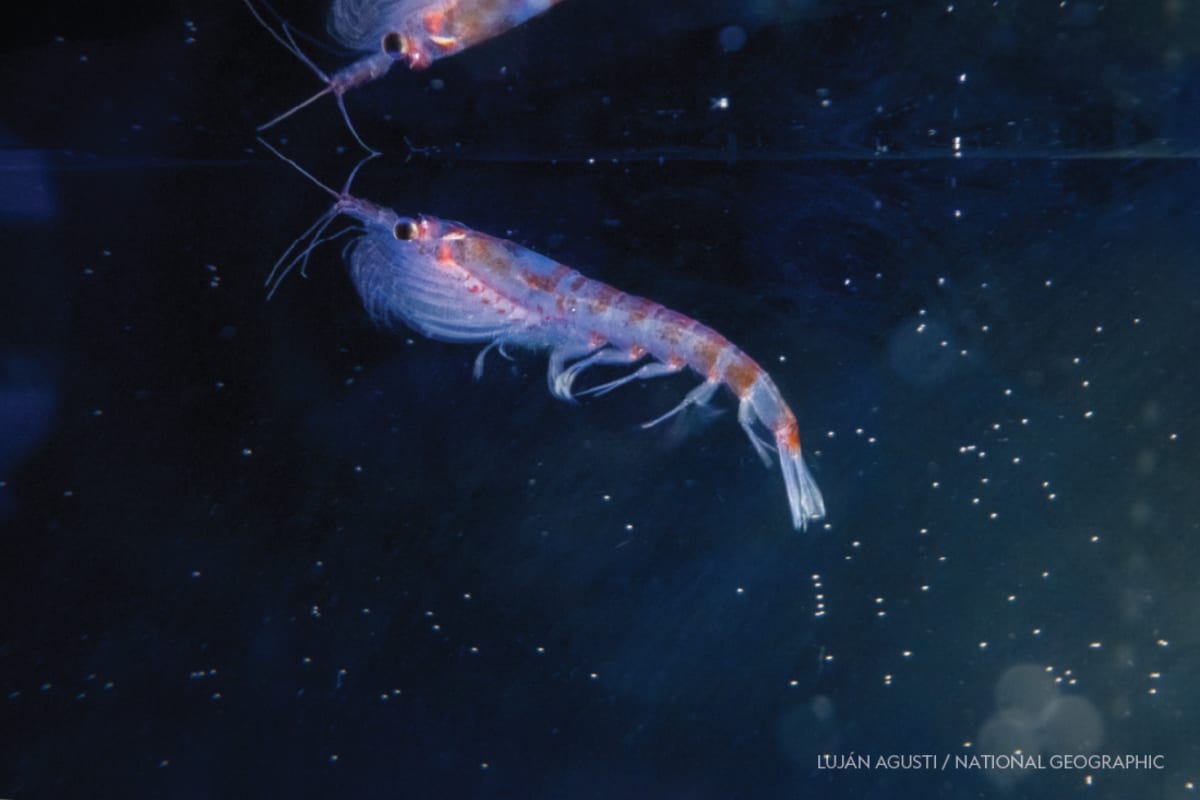
Kim Bernard, a biological oceanographer at Oregon State University, was watching live footage from 3,600 feet below the surface when she saw Antarctic krill gracefully backflipping near a scalding hydrothermal vent. She ran to the control room screaming the news because krill had never been found in such an extreme environment before.
Antarctic krill are the backbone of life at the South Pole. These shrimp-like crustaceans feed penguins, seals, and whales, while also recycling nutrients that help ocean plants grow.
"If they don't feed directly on Antarctic krill, they feed on something else that does," Bernard explains. "They are absolutely fundamental to the functioning and health of that ecosystem."
The discovery happened in late 2024 during the National Geographic and Rolex Perpetual Planet Southern Ocean Expedition. While another team studied the vent's geology using a remotely operated vehicle, Bernard noticed the unexpected visitors and begged for 15 minutes of sampling time.
Using an underwater vacuum, the team collected four krill. All were reproductive females heavily loaded with eggs about to hatch.
Finding pregnant krill at a hydrothermal vent flipped everything scientists thought they knew. Researchers assumed females released their eggs near the surface over deep water, but nobody had ever actually seen it happen.
The discovery raises fascinating questions. Swimming down 3,600 feet takes enormous energy for a creature barely two inches long. The vents also expose krill to potentially toxic heavy metals like cadmium and lead.
The Bright Side
Whatever draws these krill to the vents must be incredibly valuable. Bernard's team published their findings in Communications Biology, opening a new chapter in understanding where krill go during critical life stages.
The timing couldn't be better. The Southern Ocean ranks among the fastest warming areas on Earth, and climate change is cascading through the food web. Discovering this potential refuge for reproductive females could help scientists protect krill populations as their habitat transforms.
Bernard describes the krill's movements as "underwater ballet" and "pirouetting." That grace now symbolizes nature's ability to surprise us with hidden resilience just when we need hope most.
The four krill caught that day represent millions more potentially using deep-sea vents as nurseries. Understanding why could unlock strategies to safeguard the tiny crustaceans that hold up an entire ecosystem at the bottom of the world.
More Images


Based on reporting by Google News - Science
This story was written by BrightWire based on verified news reports.
Spread the positivity!
Share this good news with someone who needs it