Antarctica Witnesses Rare 'Ring of Fire' Solar Eclipse
A spectacular annular solar eclipse just painted a fiery halo across Antarctica's skies, treating a handful of scientists to one of nature's most breathtaking shows. The cosmic alignment won't happen again over the frozen continent for decades.
Imagine looking up to see the sun transformed into a blazing ring of fire hanging in the polar sky. That's exactly what happened today over Antarctica when the moon slipped perfectly between Earth and the sun, creating a stunning annular solar eclipse visible to fewer than 100 lucky scientists stationed on the continent.
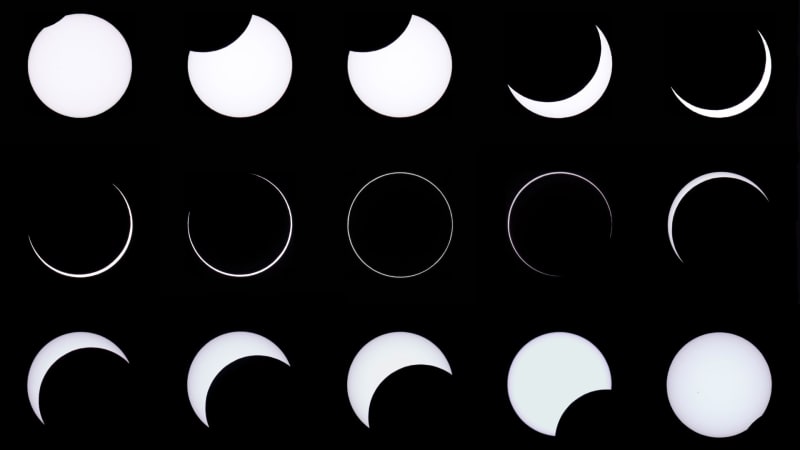
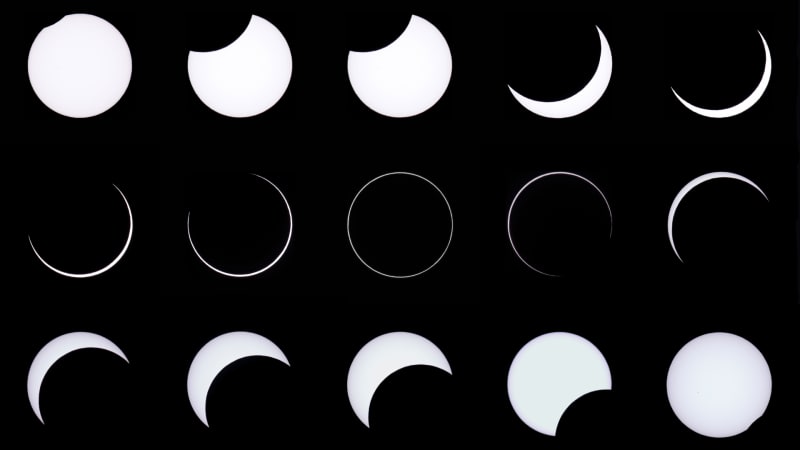
The rare celestial event began at 4:56 a.m. EST as the moon gradually covered the sun's brilliant disk. Because the moon was traveling through a distant point in its orbit, it appeared slightly smaller than usual, unable to completely block the sun's face.
For just over two minutes, the moon sat centered within the sun's fiery disk, leaving a glowing ring around its dark silhouette. This "ring of fire" phase swept across a 383-mile-wide path over Antarctica, with researchers at Concordia Station getting front-row seats to the cosmic show.
While only a select few witnessed the full annular eclipse, about 176 million people across southern South America and parts of Africa enjoyed a partial eclipse. That's roughly 2% of the world's population who could look up and see the moon taking a bite out of the sun.
The entire eclipse lasted until 9:27 a.m. EST, when the moon's shadow finally moved away and the sun returned to its normal glory.
Why This Inspires
These cosmic moments remind us we're all passengers on a spinning rock witnessing the elegant dance of celestial bodies that's been choreographed by physics for billions of years. The eclipse brought together people across continents, from Antarctic researchers to families in Madagascar, all looking up in wonder at the same sky.
What makes this particularly special is the rarity. Annular eclipses over Antarctica are exceptionally uncommon due to the moon's orbital path and Earth's tilt.
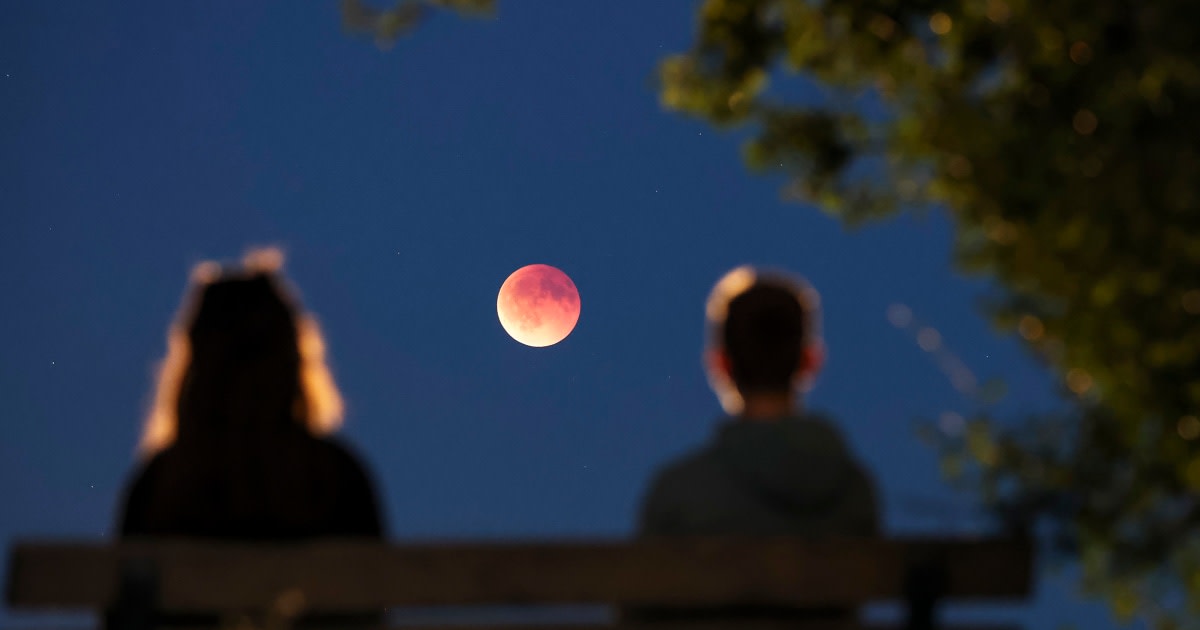
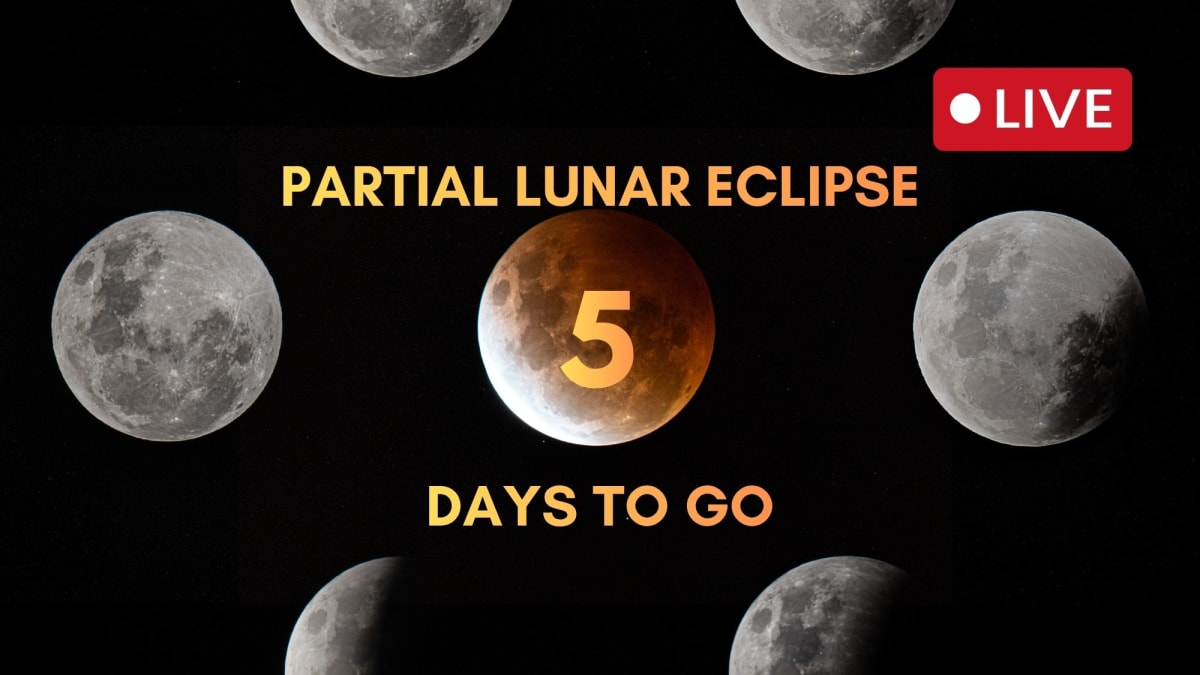
Eclipse watchers won't have to wait long for the next celestial spectacle. On March 3, over 2.5 billion people will witness a total lunar eclipse, when Earth's shadow paints the moon a dramatic blood red color. North Americans will get an especially beautiful view as the eclipsed moon sets while the sun rises, creating a rare moment when both appear in the sky together.
Mark your calendars for August 12 when a total solar eclipse crosses the globe, offering millions another chance to witness the universe's grandest light show.
Today's Antarctic eclipse proves that even in Earth's most remote corners, nature still puts on shows worth celebrating.
More Images

Based on reporting by Google News - Science
This story was written by BrightWire based on verified news reports.
Spread the positivity!
Share this good news with someone who needs it