Billions Get Best Seats for Thursday's Near-Total Lunar Eclipse
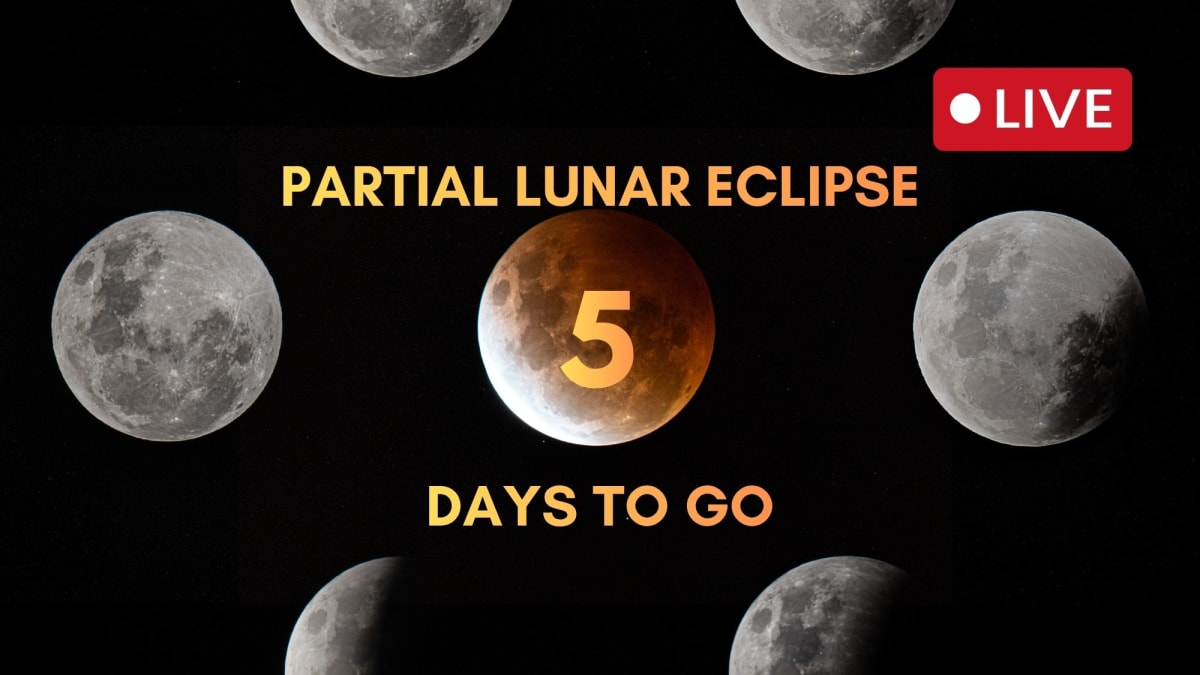
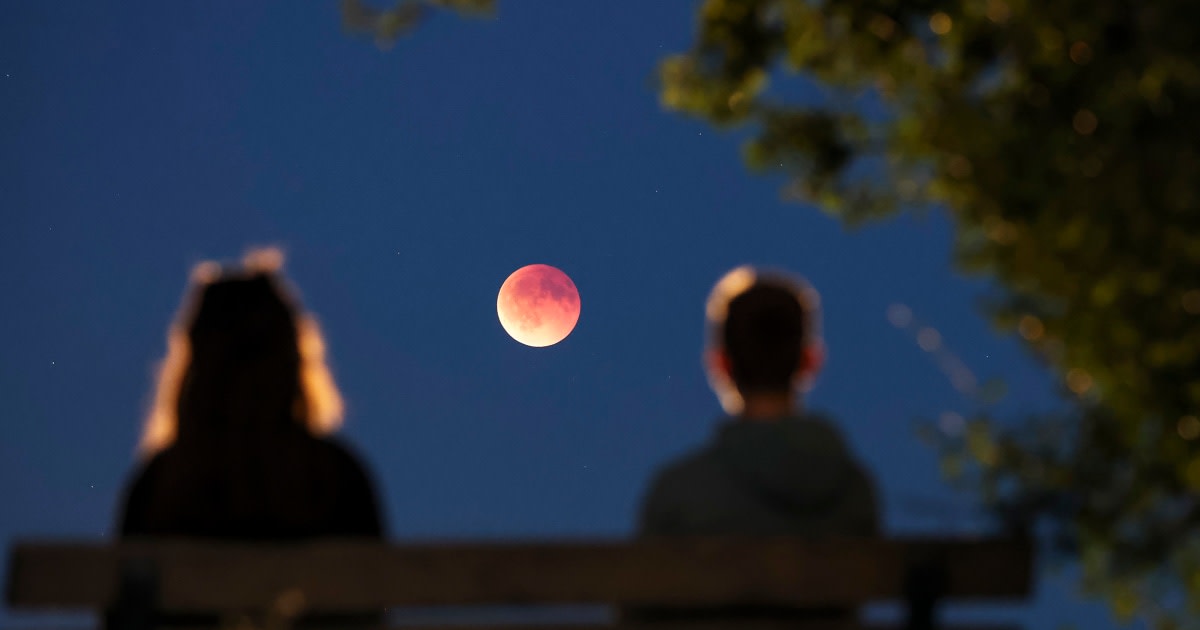
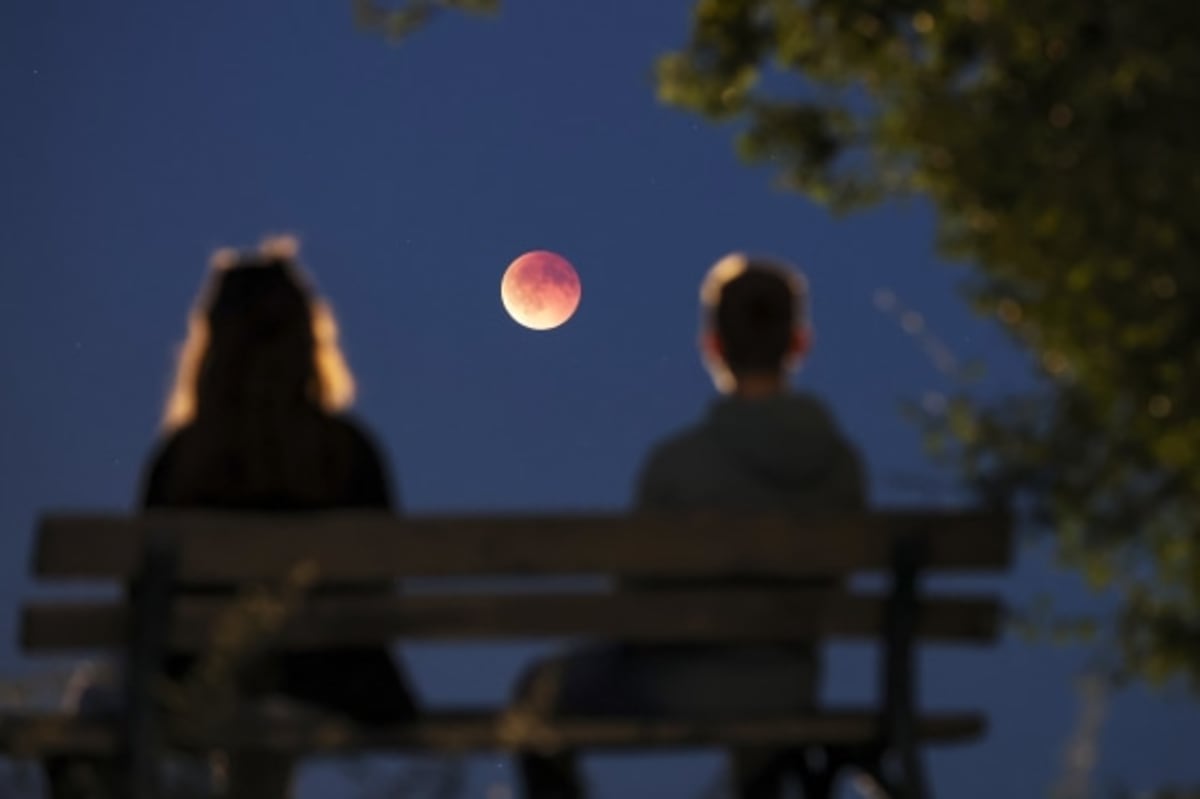
Almost the entire moon will turn reddish-orange Thursday night as Earth casts its shadow across 96% of the lunar surface. Over 3 billion people across the Americas, Europe, Africa, and the Middle East can watch this spectacular cosmic show for free. #
This Thursday night, billions of people get front-row seats to one of nature's most stunning free shows.
Earth will pass between the sun and moon, casting a glowing reddish-orange shadow across 96% of the lunar surface. Nearly 1 billion people across North and South America will see the entire event, which peaks just after midnight Eastern time.
The eclipse comes just two weeks after a total solar eclipse dazzled viewers in Greenland, Iceland, and Spain. Eclipses travel in pairs because the sun, moon, and Earth align so precisely that one blocks the other.
Here's the cosmic magic behind it: the moon is 400 times smaller than the sun, which happens to be 400 times farther away. This makes them appear exactly the same size from Earth, a rare gift from the universe.
More than 3 billion people (44% of the world's population) will be able to catch at least part of Thursday's show. All you need is clear skies and a willingness to look up.
The partial phase lasts over three hours, giving plenty of time to gather family and friends. The entire eclipse stretches 5.5 hours from start to finish.
Even the 10 people currently living in space might get a view. Seven astronauts aboard the International Space Station and three on China's space station could watch from their unique vantage point above Earth.
"Space provides a unique perspective for viewing cosmic wonders like eclipses and auroras," said space station commander Jessica Meir.
The Bright Side
The timing couldn't be better for sky watchers. NASA just completed the Artemis II mission in April, sending astronauts on a record-breaking lunar flyby.
The space agency plans to land on the moon's surface soon and build a base buzzing with people and robots over the next several years. "This is a great time to be part of the space program, right? We're not slowing down," NASA astronaut Jack Hathaway said from the space station last week.
The moon isn't turning into a true "blood moon" because this is technically a partial eclipse, but 96% coverage is close enough to create that stunning reddish glow. Earth's atmosphere bends sunlight around the planet, filtering out blue light and painting the moon in warm orange and red tones.
Europe, Africa, and the Middle East will see the eclipsed moon setting, cutting their show a bit short. Hawaii and the northwestern U.S. and Canada will catch it rising, getting a slightly later start.
This marks the year's second lunar eclipse and fourth eclipse overall.
Thursday's celestial show reminds us that the greatest wonders are often free, shared by billions, and simply waiting for us to look up.
#
More Images


Based on reporting by Google News - Science
This story was written by BrightWire based on verified news reports.
Spread the positivity!
Share this good news with someone who needs it