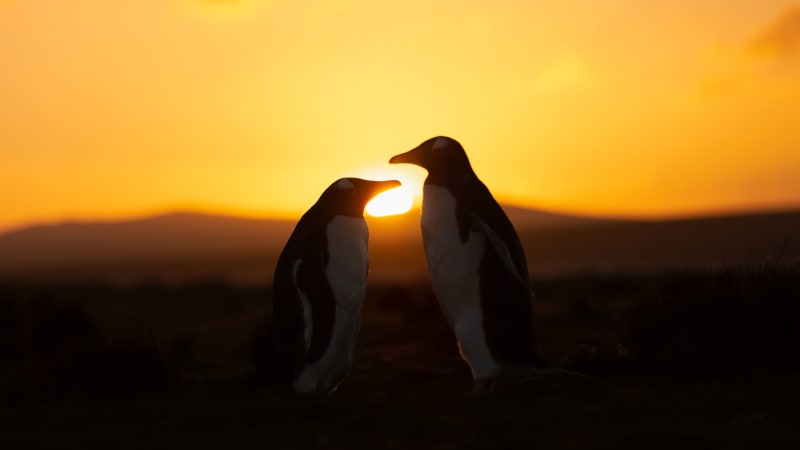
Antarctica's Penguins Get Front Row Seats to Ring of Fire
On February 17, Antarctica's penguin colonies will witness a stunning "ring of fire" solar eclipse that most humans will miss. The rare annular eclipse will be visible from one of Earth's most remote regions, but livestreams will bring the cosmic show to the world.
In exactly one month, the moon will put on a dazzling celestial performance for an audience of mostly penguins and a handful of Antarctic researchers.
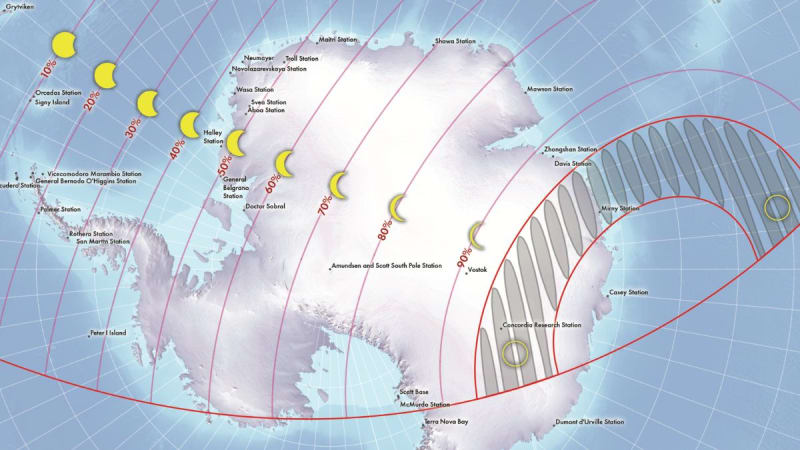
On February 17 at 7:12 a.m. EST, an annular solar eclipse will transform the sun into a brilliant "ring of fire" over Antarctica. The moon will cover 96% of the sun's disk, leaving a glowing halo of sunlight around its edges in one of nature's most breathtaking displays.
Only a lucky few scientists stationed at remote research bases like Concordia Station and Mirny Station will see the full ring of fire effect. The path of annularity stretches 2,661 miles long and 383 miles wide across the frozen continent, making this one of the most isolated eclipses in recent history.
An annular eclipse happens when the moon passes between Earth and the sun while at a farther point in its orbit. Because the moon appears slightly smaller than the sun from this distance, it can't block the entire solar disk, creating that signature ring instead of total darkness.
The show will last about two minutes at its peak viewing locations. Parts of southern Africa and South America will catch partial views, but for most of the world, this eclipse belongs to Antarctica's wildlife.
Why This Inspires
This eclipse reminds us that the universe doesn't need a massive audience to put on an incredible show. Nature's most spectacular moments happen whether we're watching or not, on schedules written in the stars billions of years ago.
The event also highlights how global connections bring remote wonders to everyone. While penguins waddle beneath the ring of fire, livestreams will let people worldwide share the experience from their phones and computers.
Scientists at these isolated stations spend months in extreme conditions advancing our understanding of climate, space, and Earth itself. This eclipse offers them a front-row seat to cosmic mechanics while they work at the edge of human exploration.
Sometimes the best stories unfold in the places fewest people can reach, reminding us how vast and wondrous our planet truly is.
More Images
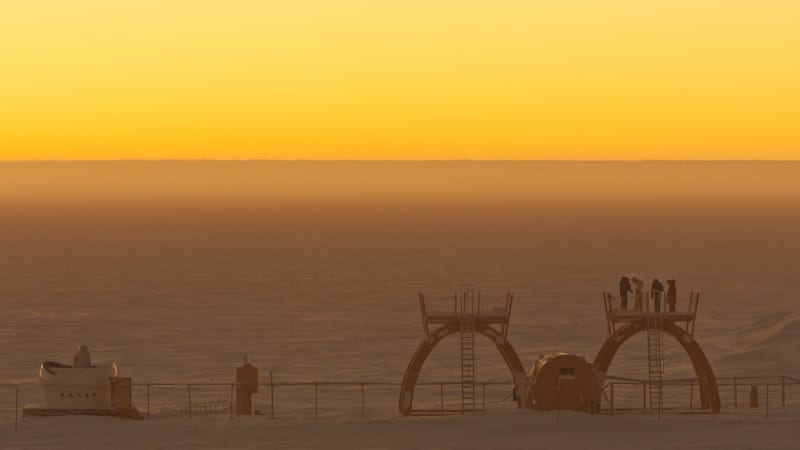

Based on reporting by Space.com
This story was written by BrightWire based on verified news reports.
Spread the positivity! 🌟
Share this good news with someone who needs it


