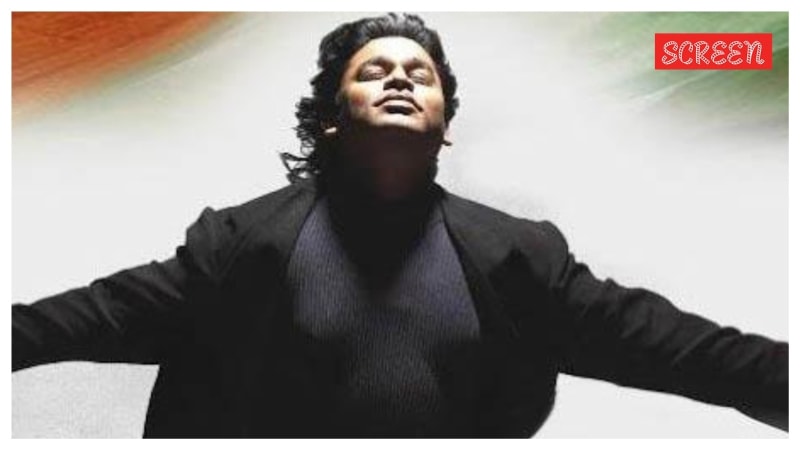
AR Rahman: Islamic Teachings Inspired Patriotic Anthem
Oscar-winning composer AR Rahman revealed his iconic 1997 anthem "Maa Tujhe Salaam" was inspired by Islamic teachings on patriotism. The song was created to unite Indian youth across all religions during the nation's 50th Independence anniversary.
When AR Rahman composed one of India's most beloved patriotic songs, he drew inspiration from an unexpected source: his faith's teachings on loving your country.
The Oscar-winning composer recently recalled how Islamic principles guided his creation of "Maa Tujhe Salaam" back in 1997. Speaking on a vintage podcast that resurfaced, Rahman explained that Islam teaches being patriotic to your country is "half of it," referring to the faith's core values.
The anthem was part of Rahman's Vande Mataram album, released to celebrate 50 years of Indian Independence. Director Bharat Bala, whose father encouraged him to do something meaningful for India, approached Rahman with the idea in Mumbai.
Rahman's vision was clear from the start. He wanted to create something that would reach young people from every religion, including Indians living abroad who wanted to feel connected to their homeland.
Lyricist Mehboob Kotwal brought the words "Maa Tujhe Salaam" to the project, which became the song's powerful expression of love for the motherland. Rahman noted the original "Vande Mataram" had existed for nearly 100 years, but they wanted to make it feel fresh and relevant to modern youth.
The composer's goal was to bridge divides and help the song reach people without any bias. Looking back, Rahman believes that mission succeeded beautifully.
Why This Inspires
Rahman's story shows how faith and patriotism can beautifully intertwine rather than conflict. By openly sharing how Islamic teachings motivated his tribute to India, he demonstrated that love of country transcends religious boundaries.
The song became a unifying force that still resonates today, proving that music can speak to hearts across all divides. Rahman's approach created a bridge exactly when India needed one, showing young people that national pride belongs to everyone.
This revelation feels especially meaningful now, as Rahman recently faced criticism after suggesting "communal" reasons may have limited his Bollywood opportunities. His clarification that his purpose has always been to "uplift, honor, and serve" India through music rings true when you hear the story behind his most patriotic work.
Nearly three decades later, "Maa Tujhe Salaam" remains a powerful reminder that unity and faith can work hand in hand to create something truly beautiful for a nation.
Based on reporting by Indian Express
This story was written by BrightWire based on verified news reports.
Spread the positivity!
Share this good news with someone who needs it

