Architects Design Trauma-Informed Housing for the Formerly Incarcerated
A new exhibition at the Smithsonian shows tiny modular rooms designed with formerly incarcerated people to help them rebuild lives with dignity. The Mobile Refuge Room offers something most halfway houses don't: privacy, control, and the ability to close your own door.
Imagine leaving prison only to sleep in a crowded dorm where someone else picks your bed, your roommate, and your schedule. For too many formerly incarcerated people, freedom doesn't feel free.
Now, architect Deanna Van Buren and her firm Designing Justice + Designing Spaces are changing that story. Their Mobile Refuge Room, currently on display at the Cooper Hewitt Museum in New York, shows what housing after prison could look like when designed with dignity in mind.
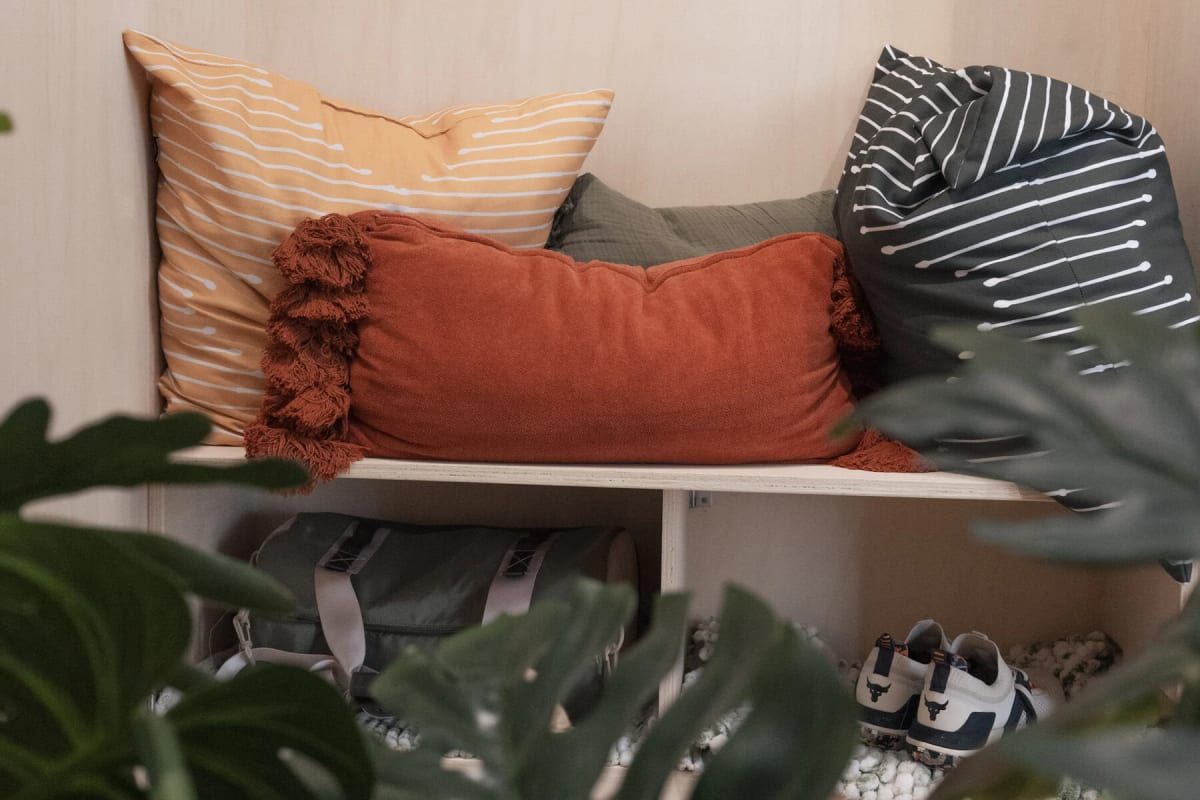
The installation features two pale wood cubes with beds that fold down from walls, desks that swing out, and shelves for plants and family photos. The design is simple but revolutionary because it offers something most reentry housing doesn't: the power to shape your own space and decide who comes in.
Van Buren calls decent housing "foundational to a successful transition home," but that foundation is usually missing. Within three years of release, 62 percent of people leaving state prisons are rearrested, often because they can't secure stable housing or employment.
The obstacles are real. People with criminal records face over 44,000 legal restrictions across the country, many blocking access to rentals and public housing. Van Buren notes they remain an "unprotected class" in housing, making discrimination easy and consequences rare.
Many end up in for-profit reentry hostels that pack people into dorms to maximize profits. The built environment continues the logic of prison even after release, with assigned beds, assigned roommates, and constant surveillance.
The project started a decade ago when Van Buren partnered with restorative justice scholar Barb Toews to teach a course in a Pennsylvania prison. They asked 10 college students and 10 incarcerated men to envision spaces for healing through collages and small models.
Something unexpected happened. As participants imagined new rooms and landscapes, they began processing trauma in real time through the design work itself.
THE RIPPLE EFFECT
Van Buren's journey from designing luxury developments to trauma-informed housing started when she heard civil rights activists Angela Davis and Fania Davis speak about restorative justice. She went looking for spaces built for healing instead of punishment and found almost nothing.
Now her work is featured at the Smithsonian, proving that design can be a tool for justice. The modular rooms can be staged differently and adapted to different needs, offering flexibility that typical institutional housing lacks.
The Mobile Refuge Room isn't just about walls and beds. It's about dignity, autonomy, and the simple human need to close a door and call a space your own after years of being watched and controlled.
Housing alone won't solve mass incarceration, but giving people a foundation to rebuild their lives is a powerful start.
More Images

Based on reporting by Reasons to be Cheerful
This story was written by BrightWire based on verified news reports.
Spread the positivity!
Share this good news with someone who needs it