Architect's Plan: Renovate, Don't Demolish to Solve Housing
Every minute, a home is demolished somewhere in Europe during an unprecedented housing crisis. Architect Olaf Grawert says we already have the solution: transform the buildings we're tearing down into affordable, sustainable housing.
Every 60 seconds, somewhere across Europe, a bulldozer tears down a perfectly usable building. Architect Olaf Grawert wants us to ask a simple question: what if the solution to our housing crisis is sitting right in front of us, waiting to be saved instead of destroyed?
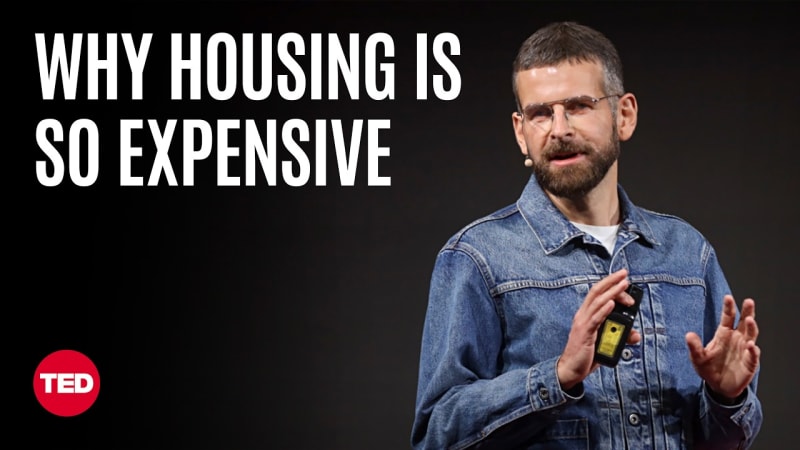
In his recent TED talk, Grawert exposed a troubling paradox. Cities across Europe face unprecedented housing shortages, with millions struggling to find affordable homes. Yet those same cities keep demolishing buildings that could house families, preserve communities, and cut carbon emissions in half.
The numbers tell a startling story. Europe demolishes one home every single minute, erasing not just structures but the memories and community bonds they hold. These aren't just abandoned ruins. Many are solid buildings in functioning neighborhoods, torn down because new construction promises higher profits.
Grawert argues we're looking at the problem backwards. Instead of asking where to build new housing, we should ask how to transform what already exists. The buildings standing in our cities right now represent decades of embodied energy, materials, and craftsmanship.
The environmental case is compelling. Demolishing and rebuilding creates massive carbon emissions from both destruction and new construction. Renovating existing structures slashes those emissions while providing the same result: quality housing people can afford.
But Grawert's vision goes beyond environmental benefits. Preserved buildings maintain neighborhood character and keep communities intact. When developers demolish and rebuild, longtime residents often get priced out. Renovation offers a path to adding housing capacity while protecting the social fabric that makes neighborhoods work.
Why This Inspires
This idea challenges how we think about progress. For decades, "new and improved" has meant tearing down the old. Grawert offers a different definition: smart, sustainable, and community-focused.
His approach proves innovation isn't always about starting from scratch. Sometimes the most revolutionary act is recognizing value in what we already have. That mindset shift could reshape urban planning across the globe.
The model he proposes addresses multiple crises simultaneously. It tackles housing affordability, reduces construction's massive carbon footprint, and preserves community bonds that take generations to build. Few solutions deliver on all three fronts.
Cities experimenting with renovation-first policies are already seeing results. They're adding housing units faster and cheaper than traditional development while keeping neighborhoods affordable for existing residents. The buildings that survive tell richer stories than cookie-cutter new construction ever could.
Grawert's message resonates because it feels achievable. Unlike proposals requiring massive infrastructure overhauls or technological breakthroughs, this solution uses tools and techniques we already possess. It just requires choosing renovation over demolition.
The housing crisis can feel overwhelming, with solutions always seeming decades away. But Grawert proves we don't need to wait for tomorrow's technology. We need to stop destroying today's resources.
His work reminds us that sustainability means more than solar panels and electric cars. It means valuing durability, appreciating craftsmanship, and recognizing that the greenest building is often the one already standing.
The next time a bulldozer shows up in a neighborhood, Grawert wants communities to ask harder questions. Does this building really need to come down? Could renovation create more value than demolition? Who benefits from tearing it down, and who loses?
These questions are already changing conversations in planning offices and city councils across Europe. Architects and developers are rediscovering the potential in older structures, finding creative ways to modernize without erasing history.
The shift won't happen overnight, but Grawert has sparked something important. He's given housing advocates, environmentalists, and community organizers a common cause: protecting the buildings that could solve our biggest urban challenge.
Every building saved is a small victory, but those victories add up to transformed cities where housing is abundant, communities stay intact, and construction stops treating our planet like a bottomless resource.
Based on reporting by TED
This story was written by BrightWire based on verified news reports.
Spread the positivity!
Share this good news with someone who needs it