Parks Build Community Power, New Framework Shows
A new approach treats public parks as democracy-building tools, not just green spaces. The Trust for Public Land created a framework showing how community-led parks strengthen civic engagement where it matters most.
What if the key to stronger democracy wasn't in voting booths, but in the parks where neighbors actually meet?
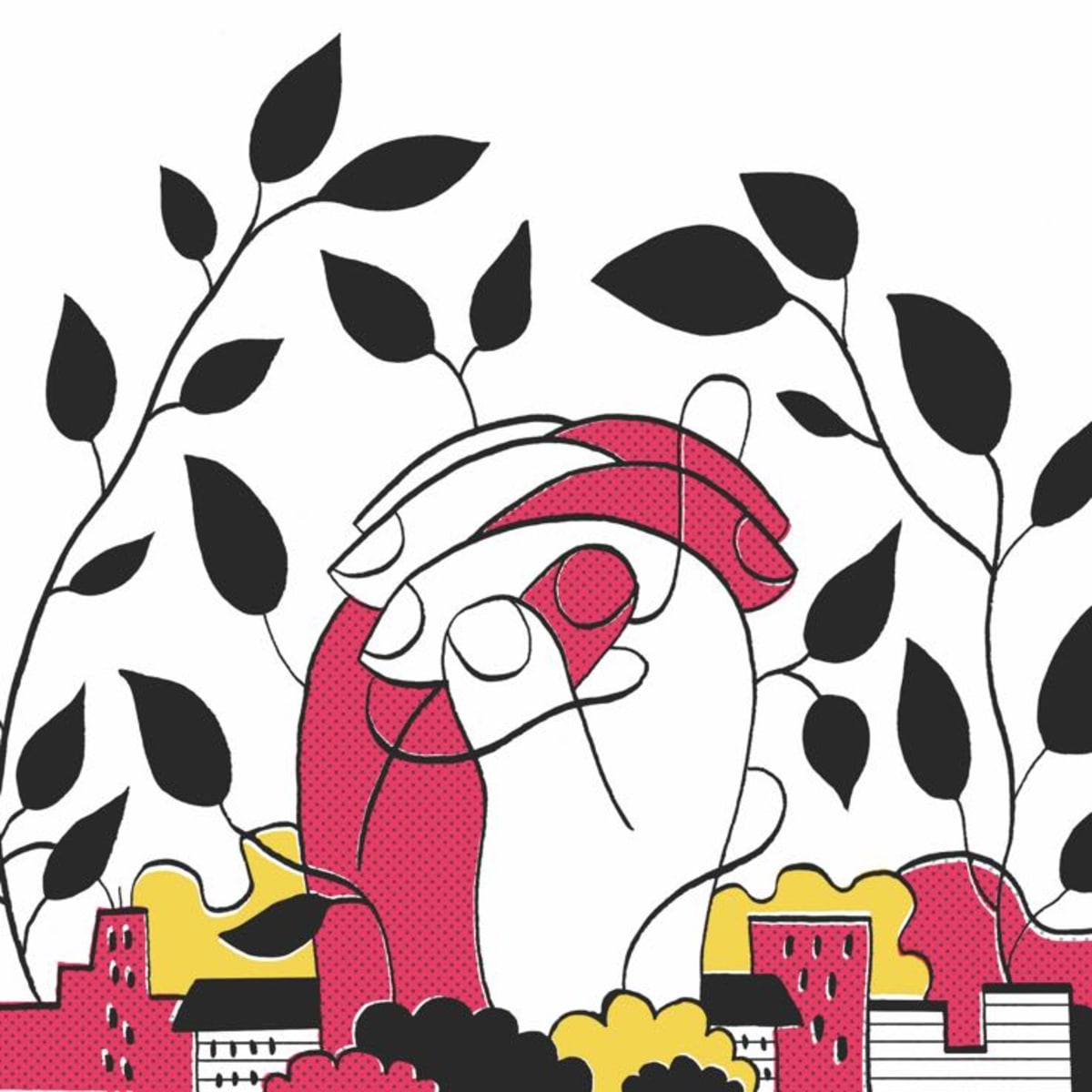
The Trust for Public Land just launched a framework that reimagines green spaces as engines of community power. Instead of treating parks as nice amenities, the approach positions them as essential civic infrastructure where people practice democracy in action.
The framework focuses on community-led creation and stewardship of parks. When residents help design, build, and maintain their local green spaces, they gain practical experience in collective decision-making and problem-solving.
This matters because traditional community gathering places are disappearing or underfunded. As physical spaces for connection fade, neighborhoods lose the casual interactions that build trust and civic muscle.
The parks approach tackles this head-on. Green spaces become training grounds where diverse neighbors work together toward shared goals, bridging divides that feel insurmountable in more formal settings.
Community stewardship changes the relationship between residents and public space. People who help maintain a park develop ownership, responsibility, and connection to their neighbors in ways that passive use never creates.
The framework recognizes that democracy requires practice, not just participation during elections. Regular collaboration on park projects builds the relationships and skills that strengthen communities year-round.
Urban planners and civic leaders are taking notice. The model offers a tangible way to rebuild social fabric in neighborhoods where isolation and disconnection have weakened collective power.
The approach also addresses equity directly. Communities that lack quality green space often face multiple barriers to civic participation, making parks both an environmental justice issue and a democracy issue.
The Ripple Effect
When communities gain power through park stewardship, the benefits extend beyond the green space itself. Residents who successfully advocate for a park often tackle other neighborhood challenges with newfound confidence and organizing skills.
The framework provides a roadmap that other communities can adapt. It shows that democracy doesn't just happen at ballot boxes but in the daily work of neighbors improving shared spaces together.
As more communities adopt this approach, parks could become democracy's most overlooked infrastructure.
More Images


Based on reporting by Stanford Social Innovation
This story was written by BrightWire based on verified news reports.
Spread the positivity!
Share this good news with someone who needs it