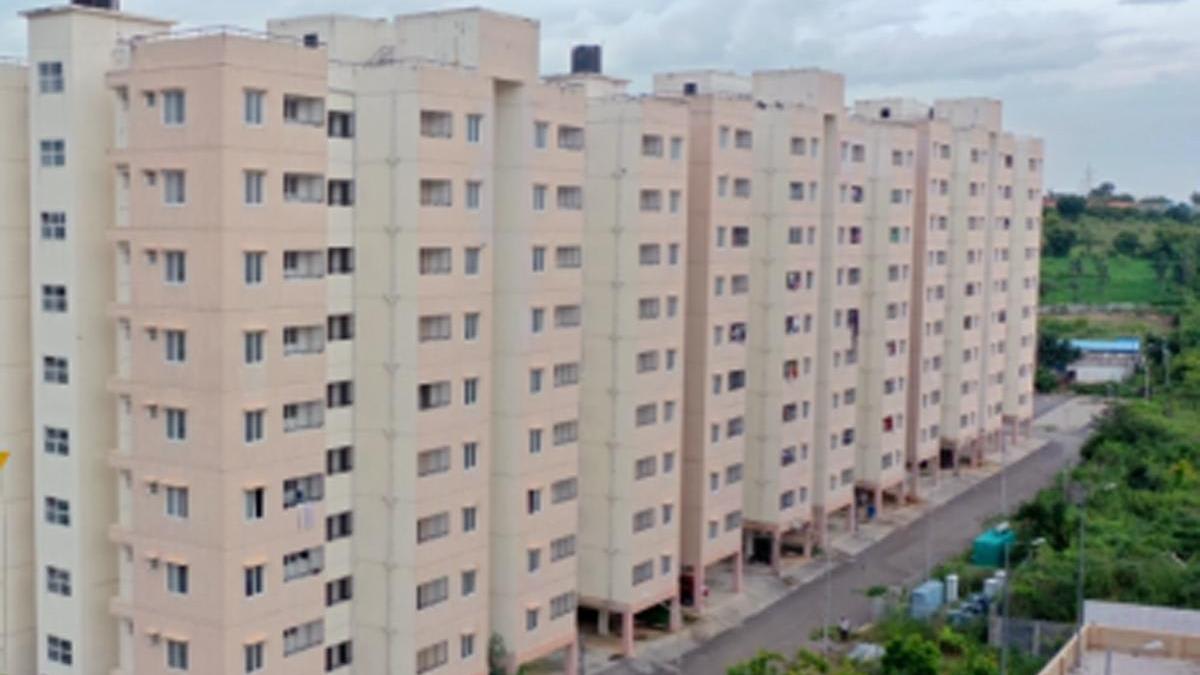
Bengaluru Apartments Get First Bus After 12-Year Wait
After 12 years without public transit, 1,500 families in Bengaluru's Kaniminike BDA apartments finally have a bus route connecting them to the city. Residents conducted their own survey to prove the need, showing 40% rely on public transport.
After nearly 12 years of walking two kilometers to catch a bus, residents of Kaniminike BDA apartments in Bengaluru finally celebrated their first public transit connection this week.
The new BMTC bus service now runs directly through the apartment complex, linking 1,500 families to Kengeri transit hub via Bidadi. For residents like Asha, it means no more struggling to find auto-rickshaws or expensive cab rides just to reach basic city services.
The wait had real consequences. Women, senior citizens, and college students faced the hardest burden, walking long distances daily just to access public transportation. Potential homebuyers routinely rejected apartments in the area because of the poor connectivity, despite the complex's proximity to the Bengaluru-Mysuru Expressway.
When transit officials initially said a new route would lose money due to low ridership, residents didn't give up. They organized their own survey across 500 occupied homes, documenting travel patterns and transportation needs with hard data.
Their findings were compelling. Nearly 40% of households depended on public transport and owned no more than one two-wheeler. The morning commute between 8 and 9 am emerged as the most critical window, with workers heading to nearby Kumbalgodu's industrial area and students traveling to local colleges.
The Ripple Effect
This victory extends beyond convenience for one apartment complex. The survey-driven approach demonstrates how communities can advocate effectively using data rather than just complaints. Transit officials took notice when residents presented evidence of genuine demand rather than assumptions.
The service currently runs during morning peak hours, but residents have already requested evening coverage based on the same survey methodology. With only 500 of the 1,500 apartments currently occupied, the route's success could encourage more families to move in, knowing they won't be stranded without transportation options.
For Shashank Bharadwaj and his neighbors, the bus route represents something bigger than a ride to work. It proves that persistent, organized community action can overcome bureaucratic inertia, even when initial responses suggest change is impossible.
Based on reporting by The Hindu
This story was written by BrightWire based on verified news reports.
Spread the positivity!
Share this good news with someone who needs it