US Cities Plant Trees, Paint Streets White to Beat Heat
American cities are fighting dangerous heat with science-backed solutions like tree planting and white pavement. From Phoenix to San Francisco, communities are rolling out cool roofs, green corridors, and rebate programs to protect vulnerable residents.
Cities across the American West are turning up the fight against extreme heat with solutions that actually work.
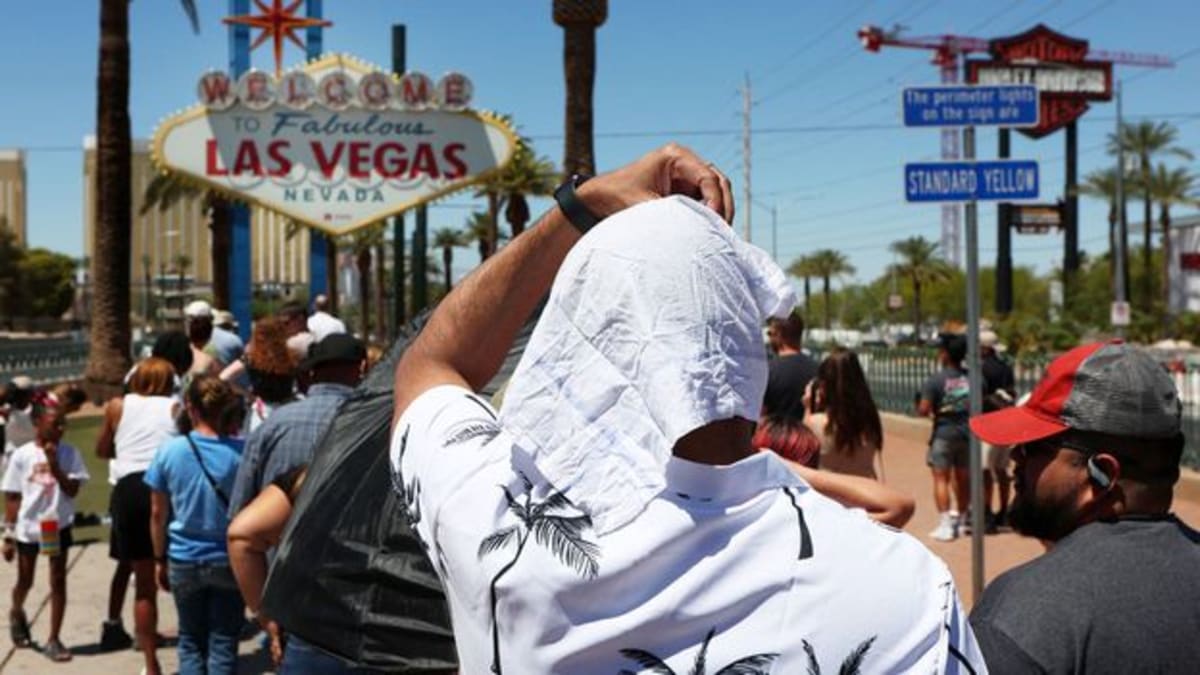
As heat domes push temperatures past 100°F and triple-digit days become the new normal, urban areas are deploying strategies straight from the science books. Los Angeles painted its streets white. Phoenix is planting 1,800 trees in its hottest neighborhoods. San Francisco now requires green roofs or solar panels on large new buildings.
The need couldn't be more urgent. Urban heat islands can be up to 20°F hotter than surrounding areas, as concrete and asphalt absorb the sun's energy all day and release it at night. Around 41 million Americans live in areas experiencing extreme urban heat island temperatures, with the elderly, children, and low-income communities hit hardest.
The science behind cooling cities is well established. Trees lower temperatures by providing shade and cooling through evaporation, creating urban forests that average nearly 3°F cooler than unforested areas. Austin, Texas is aiming for 50% tree canopy coverage by 2050.
Even drought-prone cities are finding creative solutions. Tucson offers residents up to $2,000 in rebates for rainwater collection systems to help water trees and green spaces. The city provides zero-interest loans and Spanish-language workshops for economically challenged communities who need the help most.
Los Angeles became the first major city to require cool roofs on new homes back in 2013. The city has since expanded these requirements to non-residential buildings and painted pavements white to reflect heat instead of absorbing it.
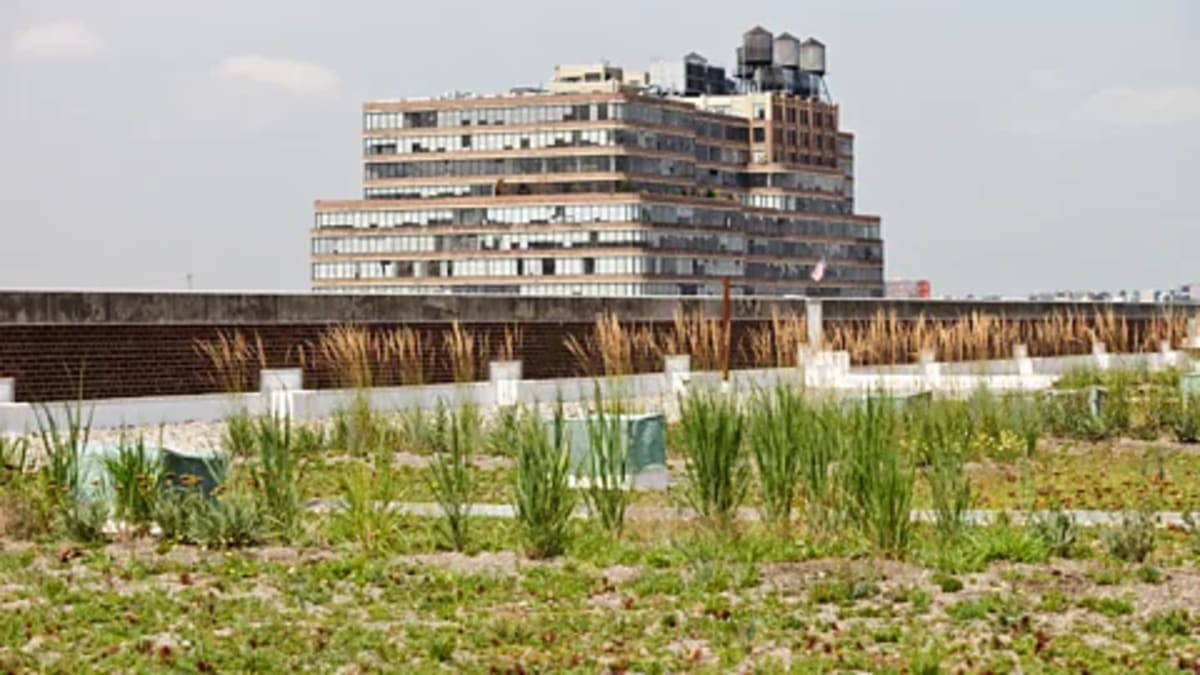
Green roofs are sprouting across San Francisco, where any new building over 2,000 square feet must cover at least 15% of its roof with plants or solar panels. The vegetation removes heat through evapotranspiration while providing insulation.
Phoenix has invested over $1.4 million to create cool corridors of shade trees connecting the city's warmest neighborhoods. The trees do double duty by lowering surface temperatures and giving residents safe pathways to walk.
Why This Inspires
What makes these efforts inspiring isn't just the technology. It's that cities are prioritizing the people who need relief most. Tucson's rebate programs target low-income neighborhoods where families can't afford to plant or maintain trees. Phoenix plants shade where temperatures soar highest.
Steffen Lehmann, director of the University of Nevada's Urban Futures Lab, says he's optimistic despite slow progress. "There are things cities can do to cool down. And I do think there is a mindset-change happening."
The knowledge exists, the tools are available, and American cities are finally putting them to work where it matters most.
More Images

Based on reporting by BBC Future
This story was written by BrightWire based on verified news reports.
Spread the positivity!
Share this good news with someone who needs it