Arctic Cable Plan Could Solve Europe's Internet Chokepoint
Climate change is opening a safer route for the internet. A bold new Arctic cable project could protect 90% of Europe's data from war zone disruptions.
When Yemen's war damaged critical undersea cables in 2024, repair ships faced an impossible choice: enter a war zone or leave millions without reliable internet for months.
The problem revealed a startling weakness in our digital world. About 90% of Europe's internet traffic squeezes through the narrow Red Sea, where more than a dozen fiber optic cables share a passage that's become increasingly dangerous.
These cables carry everything from your morning emails to hospital records to global financial transactions. When a Houthi missile struck a cargo ship in the Bab-el-Mandeb Strait, the drifting vessel dragged its anchor across three cables. Repair took over four months because specialized ships couldn't safely operate in the conflict zone.
Cable breaks happen regularly, and backup routes usually handle the load. But the Red Sea passage is different. It's narrow, crowded, and now sits in an active conflict zone. Last September, four more cables were severed, disrupting internet service across Africa, Asia, and the Middle East.
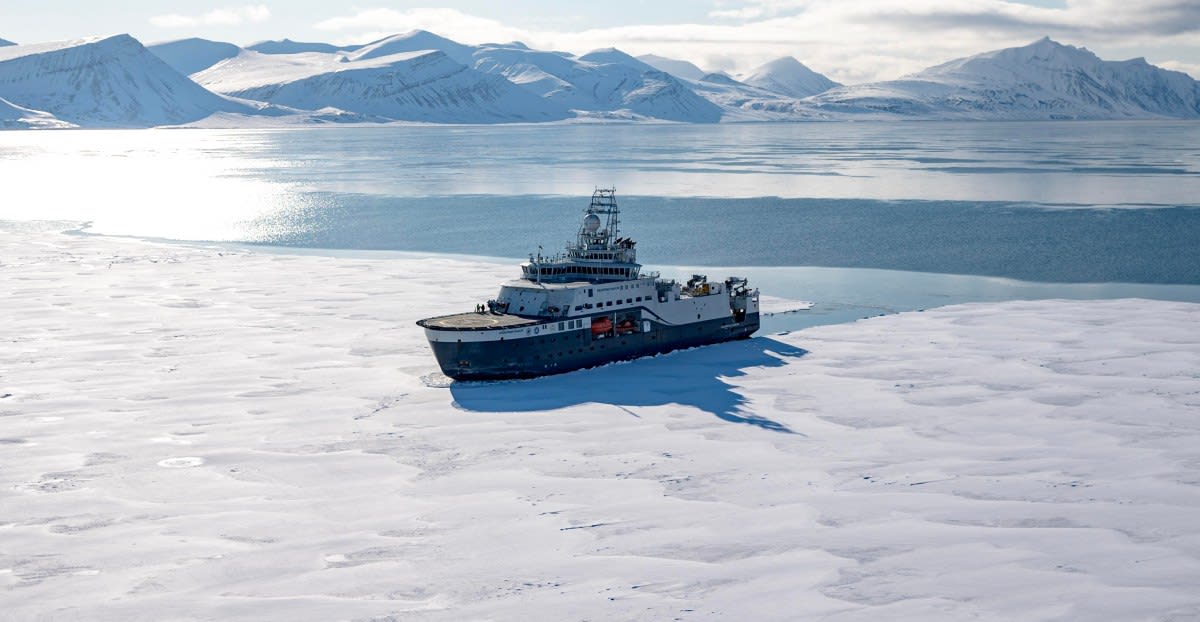
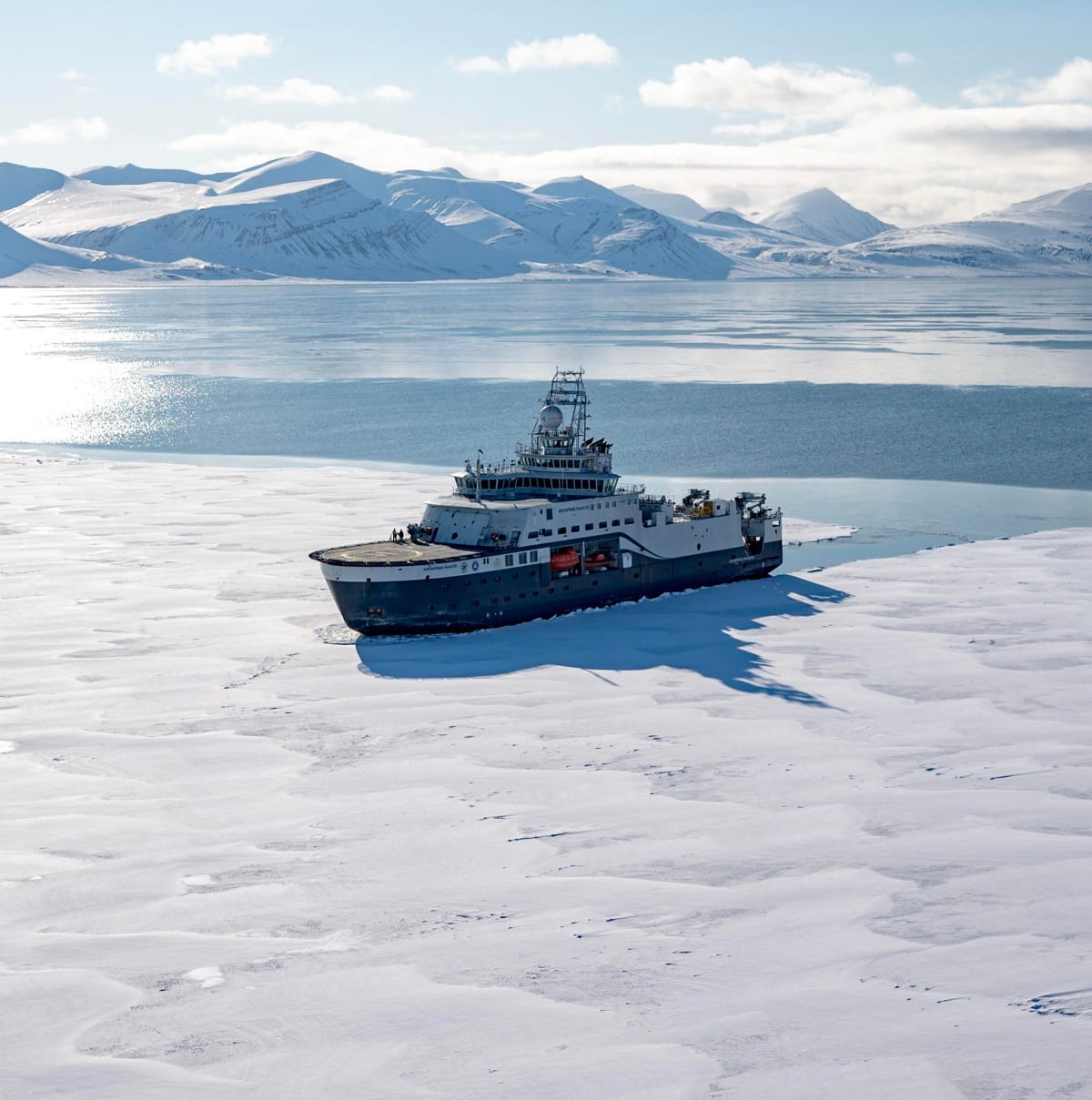
The solution might come from an unexpected place: the warming Arctic. As climate change opens new northern passages, tech companies and governments are exploring an ambitious plan to run cables across the North Pole. The route would bypass Middle Eastern chokepoints entirely.
The Bright Side
This Arctic route offers more than just backup infrastructure. It represents a fundamental rethinking of how we build resilient global systems. Instead of relying on the same paths used since the telegraph era, engineers are designing networks that can weather both conflicts and natural disasters.
The project also showcases international cooperation at its best. Multiple countries and companies are working together to map routes, share costs, and establish maintenance protocols for one of Earth's most challenging environments. The cables would need to withstand ice movements and extreme cold while remaining accessible for repairs.
Installation won't be easy or cheap, but the technology exists. Modern cables are remarkably tough, designed to last 25 years on the ocean floor while transmitting data at the speed of light. The Arctic versions will include extra protection against ice and special monitoring systems to detect problems early.
The first Arctic cables could be operational within five years. Until then, the Red Sea remains a critical vulnerability, but at least now there's a plan to build a safer internet for everyone.
A warming planet is creating the path to protect our connected world.
More Images



Based on reporting by The Verge
This story was written by BrightWire based on verified news reports.
Spread the positivity!
Share this good news with someone who needs it