Arctic Fossils Reveal Ocean Life Rebounded in 3 Million Years
Scientists discovered over 30,000 fossils in the Arctic showing marine life bounced back far faster than expected after Earth's worst extinction event. The find rewrites what we know about nature's ability to recover.
Life found a way back much faster than anyone imagined.
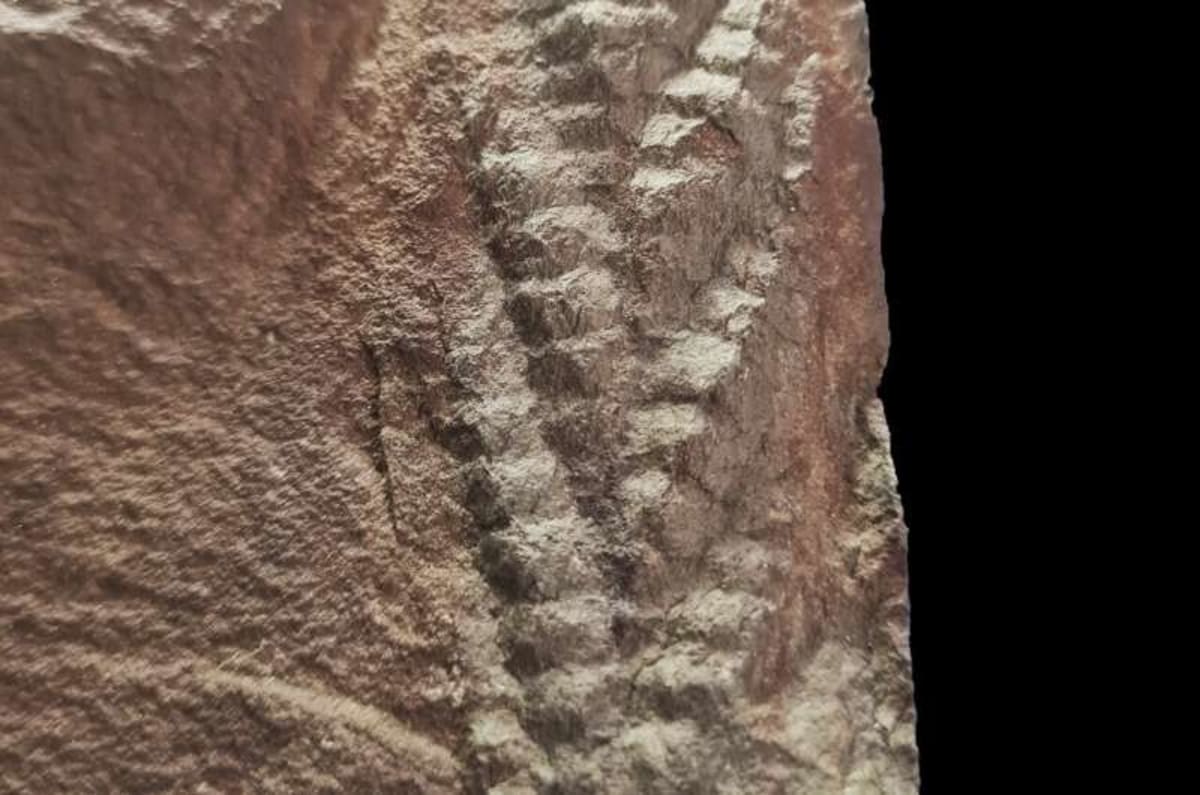
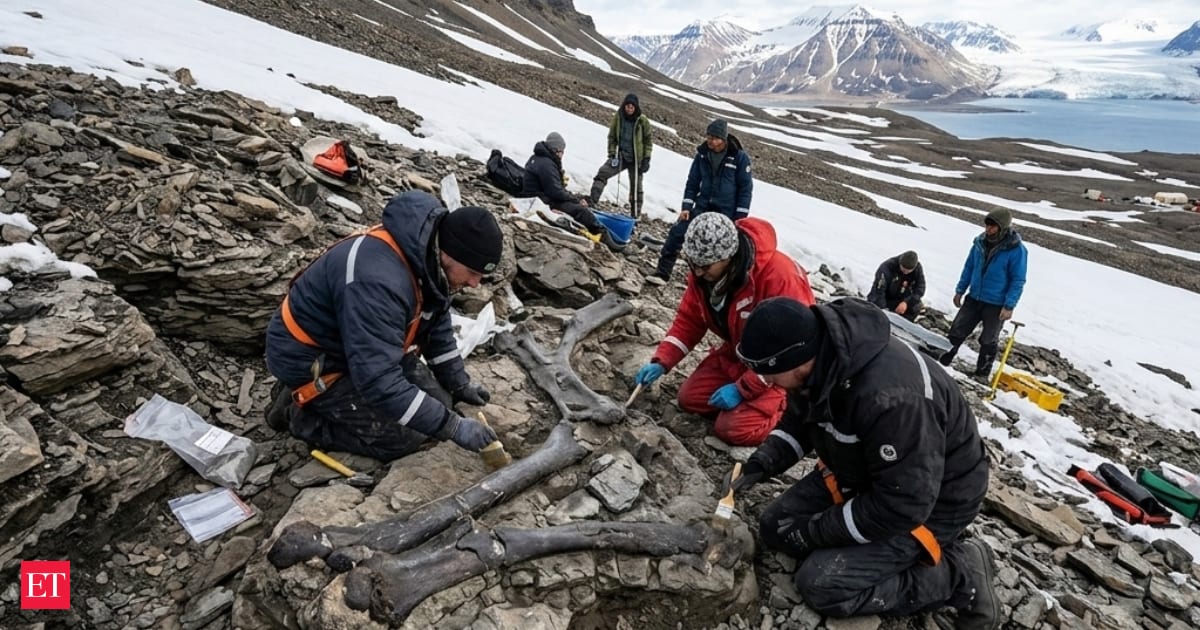
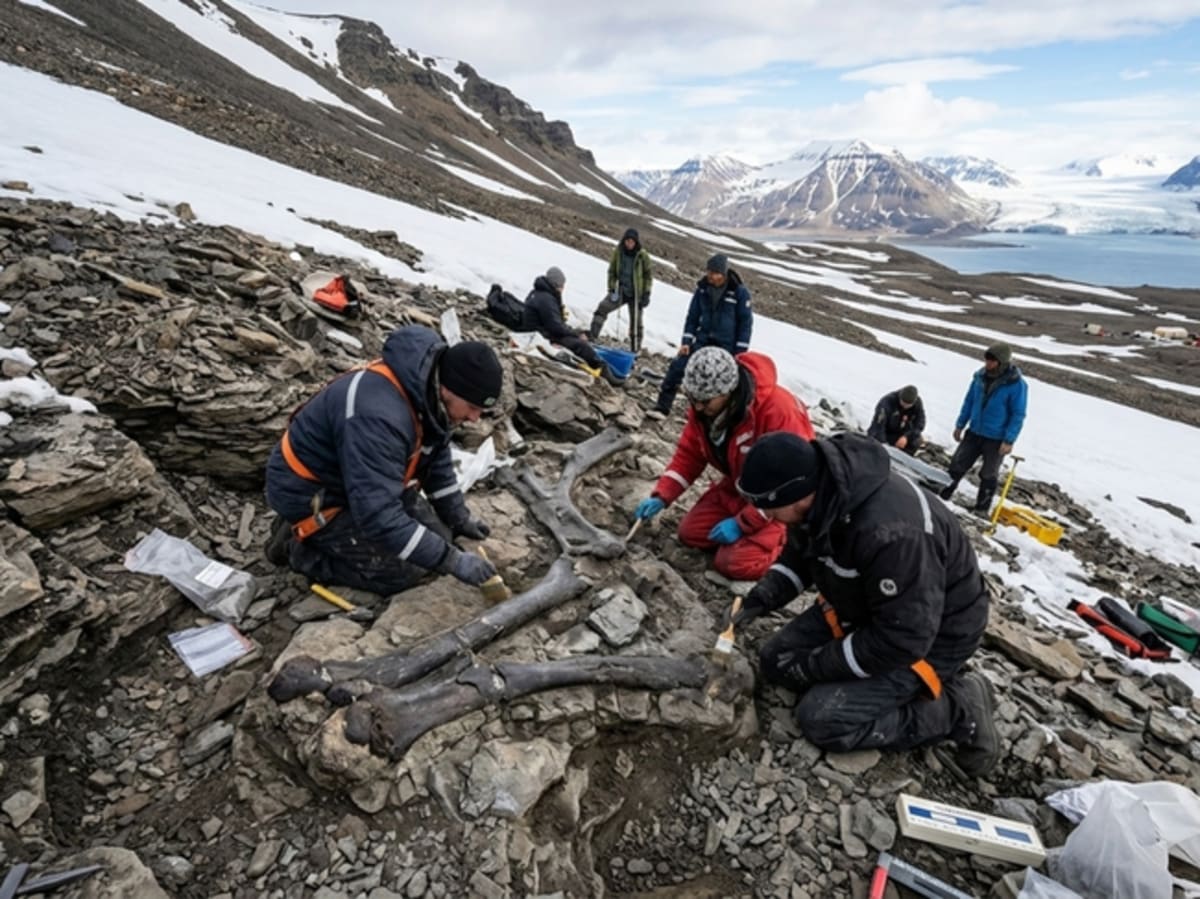
High on an Arctic mountain in Svalbard, researchers discovered something extraordinary in November 2025. A fossil bed containing over 30,000 ancient bones, teeth, and even fossilized meals tells a surprising story about one of the darkest chapters in Earth's history.
The Permian extinction happened 252 million years ago and wiped out roughly 90 percent of all marine species. For decades, scientists believed the oceans remained lifeless and unstable for millions of years afterward, a long silence in the fossil record suggesting devastation without end.
But the Mount Marmier discovery changes everything. The fossils date back to 249 million years ago, just three million years after the extinction, and they reveal bustling ocean ecosystems already teeming with life.
The site preserves an incredible snapshot of marine recovery. Bony fish swam alongside sharks, early marine reptiles, and primitive ichthyosaurs, those dolphin-shaped reptiles that would later dominate ancient seas as apex predators.
What makes this discovery truly remarkable is the complexity on display. Predators and prey appear together in the same deposit, showing that entire food webs had already reassembled. The oceans weren't just recovering, they were rebuilding stable ecological relationships far earlier than scientists thought possible.
The fossils were rapidly buried in sediment, which preserved them in unusual abundance. Dense fossil assemblages like this are extremely rare for the early Triassic period, making Mount Marmier an invaluable window into a pivotal moment in planetary history.
Researchers are now using advanced X-ray imaging to study delicate skeletal structures without damaging the surrounding rock. These scans reveal fine anatomical details that help identify species and track how quickly evolution kicked into high gear after near-total catastrophe.
Previous Arctic discoveries have hinted at this rapid recovery, including ichthyosaurs from 250 million years ago already showing clear adaptations for marine life. But the sheer scale and diversity at Mount Marmier provides the strongest evidence yet.
The Bright Side
This discovery offers a powerful reminder about resilience. After the worst extinction event in Earth's history, when nine out of every ten marine species vanished, life didn't just survive, it rebuilt complex ecosystems in a geological blink of an eye.
The fossil bed shows that even after catastrophic collapse, nature has an extraordinary capacity to recover and reorganize. Predators found prey, ecosystems found balance, and the oceans found life again.
For paleontologists, these frozen Arctic rocks preserve hope in stone: proof that life, nearly destroyed, can reassemble into something vibrant and complex again.
More Images



Based on reporting by Google News - Recovery Story
This story was written by BrightWire based on verified news reports.
Spread the positivity!
Share this good news with someone who needs it