Arctic Solar Power Surges 145% Despite Extreme Cold
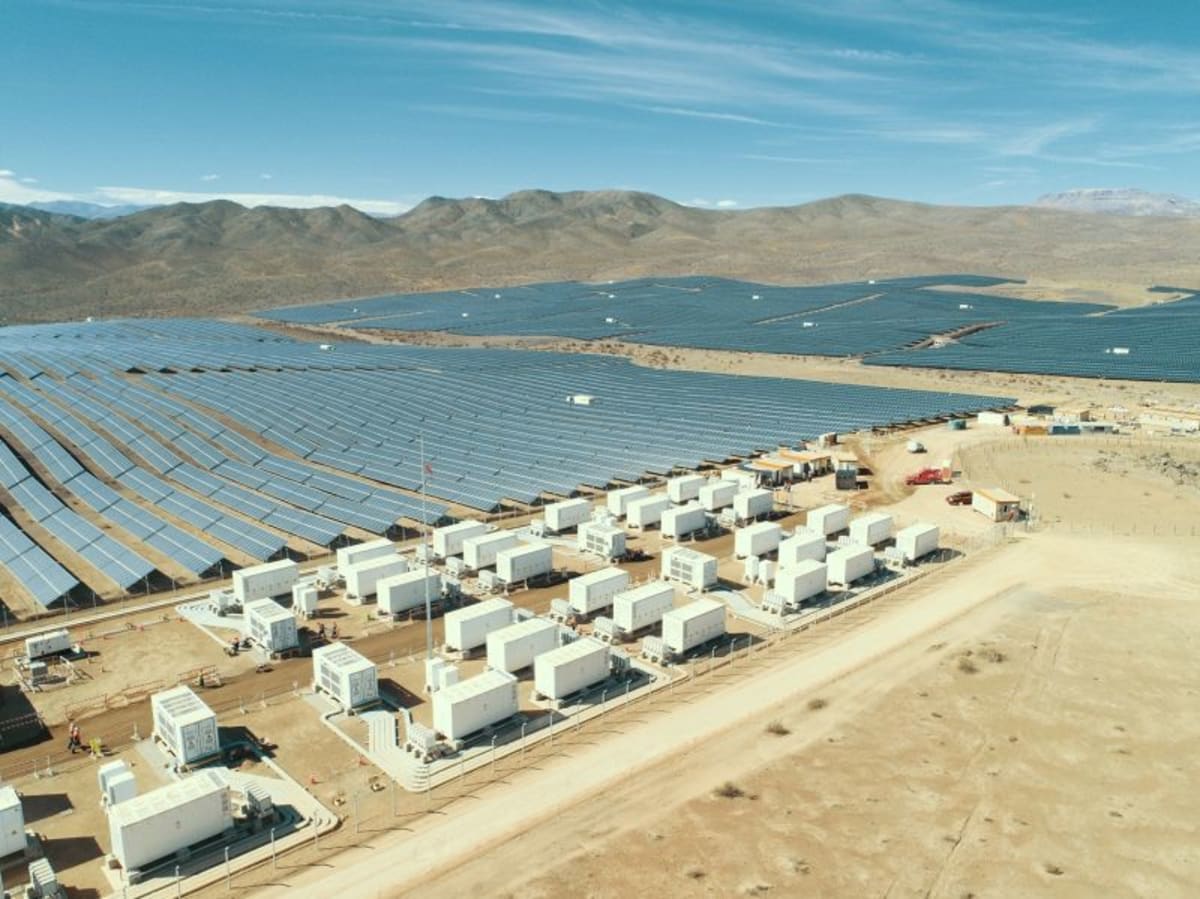
The frozen Arctic is becoming an unlikely solar powerhouse, with installations above the 60th parallel growing up to 145% annually. Cold temperatures and snow-covered ground are actually helping panels produce more energy than in warmer climates.
For decades, energy experts dismissed the Arctic as too cold and dark for solar power, but new research shows the frozen north might be perfect for it.
A groundbreaking report from the International Energy Agency reveals that solar capacity above the 60th parallel has hit 1,400 megawatts and is exploding at rates up to 145% per year in some regions. Researchers from six countries discovered something remarkable: extreme cold actually makes solar panels work better, not worse.
Here's why. Silicon solar cells produce more electricity at lower temperatures because their internal structure becomes more efficient. In Alaska, panels run at just 15°C during daylight hours, well below the 25°C temperature where they're tested, giving them a performance boost.
The cold also helps panels last longer. Arctic solar systems degrade at half the rate of those in the continental United States, losing just 0.37% of their power each year compared to 0.75% elsewhere.
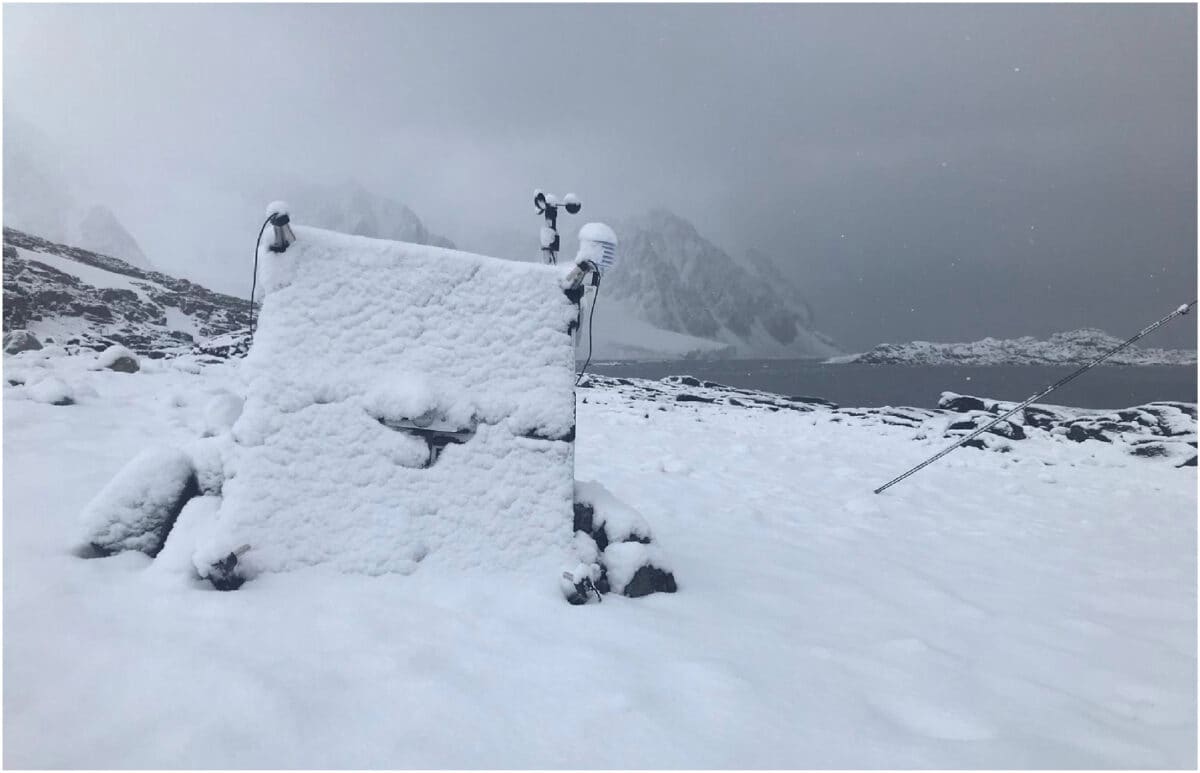
Snow presents challenges but also unexpected advantages. While it can block panels temporarily, it turns the ground into a giant reflector, bouncing extra light onto the back of bifacial panels that capture energy from both sides. This "snow bonus" creates efficiency gains impossible to achieve in warmer latitudes.
The real breakthrough involves standing panels vertically instead of tilting them. Vertical installations shed snow naturally and keep producing power throughout dark winters when tilted panels sit buried and useless. In Sweden, a vertical system outperformed its tilted neighbor on 28 out of 31 days in December, producing nearly five times more energy.
The Bright Side
Arctic communities have long relied on expensive diesel fuel trucked across frozen tundra, sometimes paying ten times normal electricity rates. Solar power offers energy independence and dramatic cost savings, even with long winter nights.
The technology works so well that researchers now recommend bifacial panels mounted vertically as the default choice for any Arctic installation. Early morning and late evening production patterns also match when people actually use electricity, unlike traditional south-facing panels that bunch all their output at midday.
Developers are learning important lessons about Arctic construction. Foundation failures in Sweden and Alaska taught engineers that standard ground surveys aren't enough in frozen soil. In permafrost regions, the panels themselves can change ground temperatures and destabilize their own foundations over time.
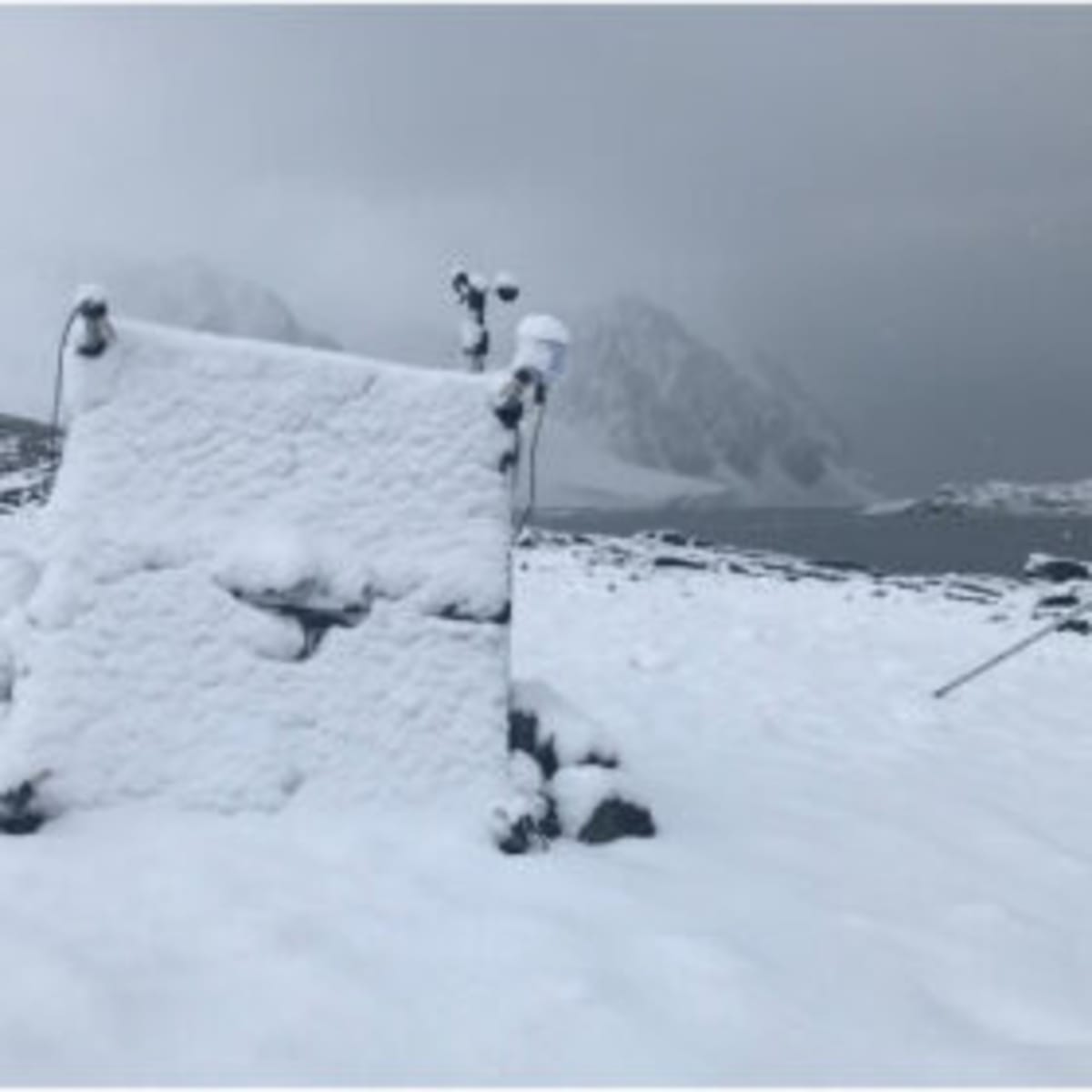
The biggest remaining challenge is simply measuring sunlight accurately in regions where satellites struggle and ground stations face maintenance nightmares from ice buildup. Better data will help secure financing for projects and accelerate the buildout.
The Arctic won't ever match Arizona for year-round sunshine, but it doesn't need to. Cold efficiency, reflective snow, and vertical mounting create a unique advantage that's finally being recognized. Remote communities once dependent on diesel generators are finding their own path to clean, affordable power.
More Images
Based on reporting by PV Magazine
This story was written by BrightWire based on verified news reports.
Spread the positivity!
Share this good news with someone who needs it