Arctic Squid Raises Baby at 29°F in Greenland Waters
Scientists captured the first video of an Arctic bobtail squid caring for her eggs in water just below freezing. The discovery shows how marine life thrives even in Earth's harshest oceans.
Life finds a way, even at the top of the world where the ocean hovers just above freezing.
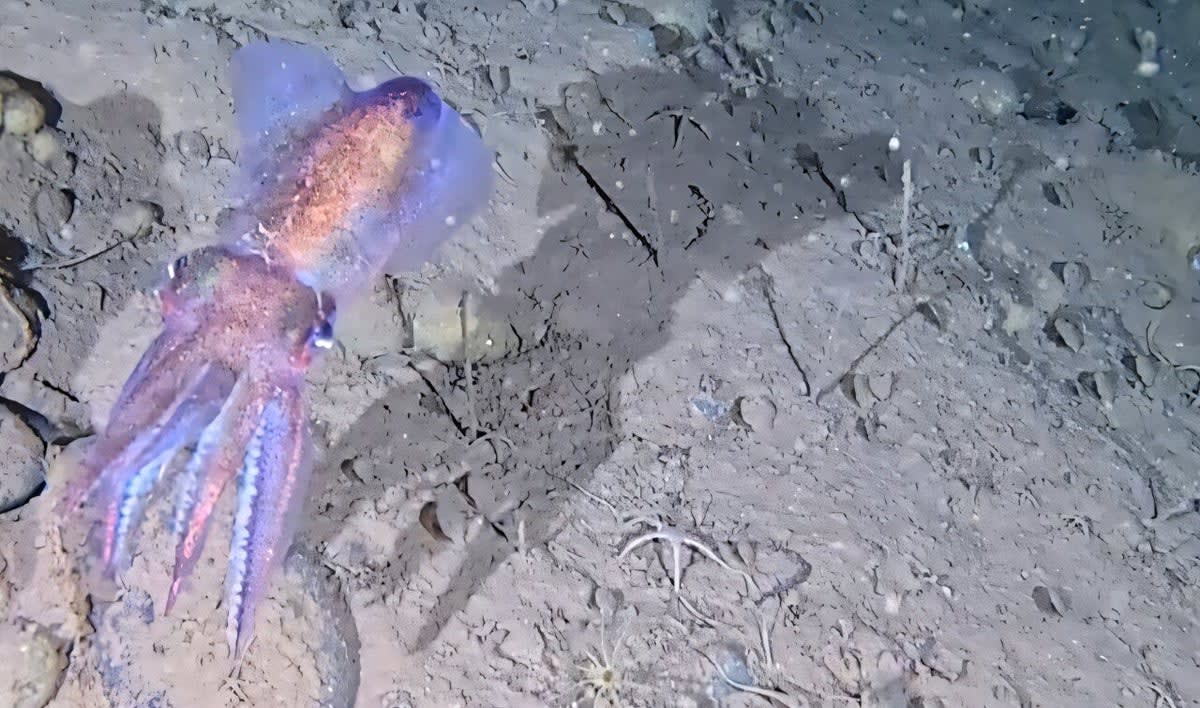
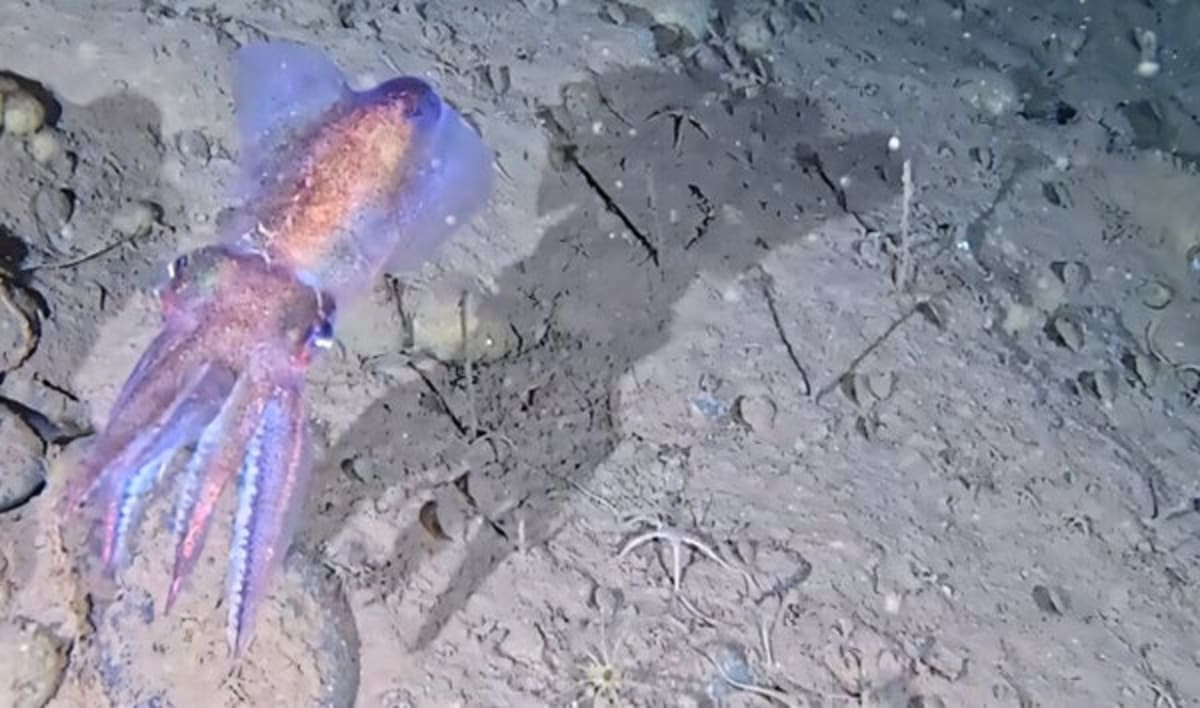
Researchers spotted something extraordinary while exploring Northeast Greenland National Park: an Arctic bobtail squid tenderly caring for her clutch of eggs at 50 meters below the surface. The water temperature was a bone-chilling negative 1.6 degrees Celsius (29.12 degrees Fahrenheit).
This marks the first time scientists have observed this species reproducing in the North Atlantic. The adorable cephalopod was caught on video by a remotely operated underwater vehicle, proving that one of the planet's most extreme environments can still support new life.
"This highlights the resilience of marine life in one of Earth's most extreme environments," said Paige Maroni, a researcher at the University of Western Australia who led the study. Her team published the findings in Polar Biology.
The location itself is remarkable. Northeast Greenland National Park is the largest national park on Earth and one of the least explored places on the planet. Until now, scientists had little data about what species call these frigid waters home.
Why This Inspires
This discovery isn't just about one tough squid mom. These creatures play a crucial role in Arctic food webs, both hunting smaller prey and serving as food for larger animals. That makes them sensitive indicators of how the ecosystem responds to climate change.
By establishing what lives in these remote waters now, scientists create a baseline to track how warming temperatures affect Arctic life in the years ahead. Every species documented today helps us understand tomorrow's changes.
The expedition itself represents an innovative shift in polar research. The team wasn't aboard a traditional research vessel but partnered with Secret Atlas Expedition Micro Cruise through Yachts for Science, a program that pairs paying travelers with working scientists.
"Low-impact science and expedition tourism can help fill major biodiversity gaps in remote polar regions," Maroni explained. In poorly studied ecosystems like the Arctic, even a single verified observation provides important insight into how species distribute themselves, reproduce, and adapt.
The squid's success in such harsh conditions reminds us that nature's creativity and determination often exceed our expectations. While climate change poses real challenges to Arctic ecosystems, this discovery shows that life continues to surprise us with its ability to not just survive but flourish in the most unlikely places.
More Images



Based on reporting by Scientific American
This story was written by BrightWire based on verified news reports.
Spread the positivity!
Share this good news with someone who needs it