Scientists Find 149 New Species Near Underwater Volcano
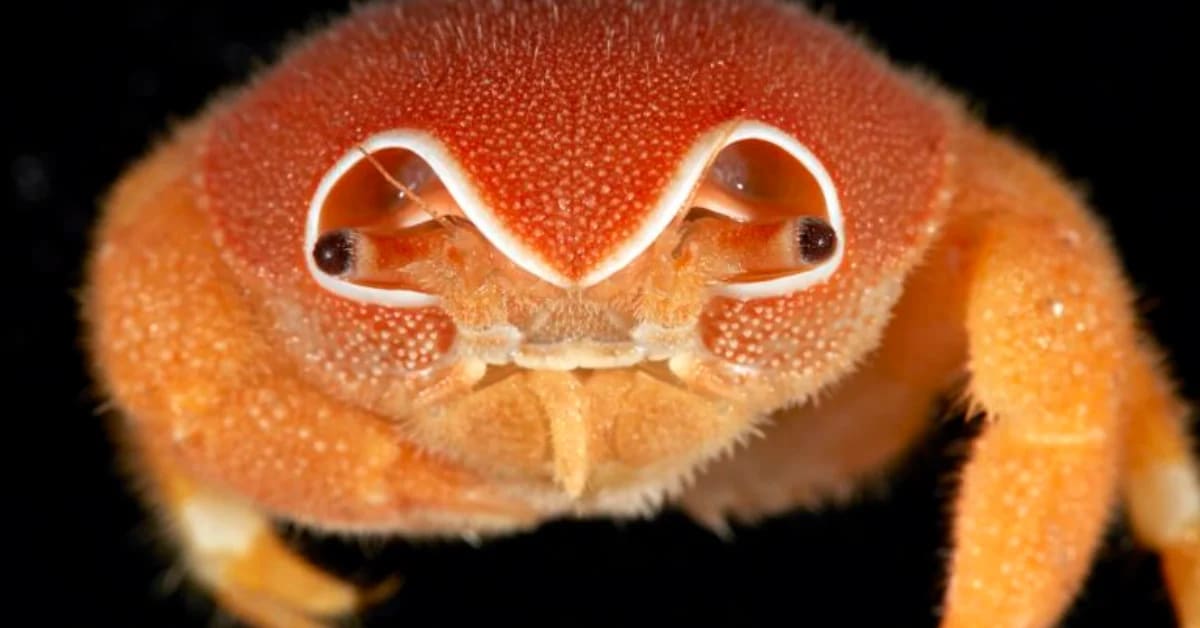
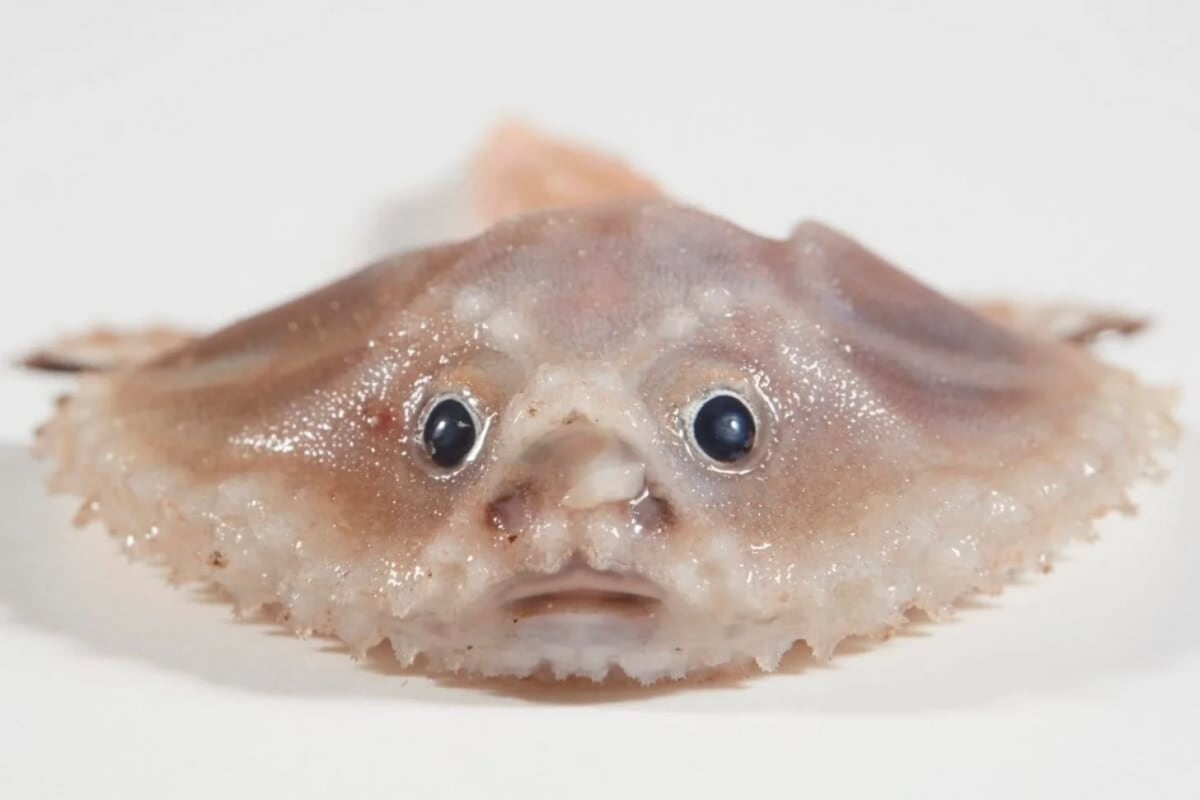
An expedition to remote underwater mountains in the Indian Ocean has discovered 149 species never seen before, including glowing-eyed fish and translucent sea cucumbers. The team explored volcanic seamounts up to 120 million years old that had never been studied.
Scientists just discovered a hidden world of life on the Indian Ocean floor, including 149 species completely new to science.
An international team of 33 researchers spent weeks exploring underwater volcanic mountains near Christmas and Cocos Islands, located between Australia and Sri Lanka. These massive seamounts, some stretching 43 miles across, had never been studied despite being millions of years old.
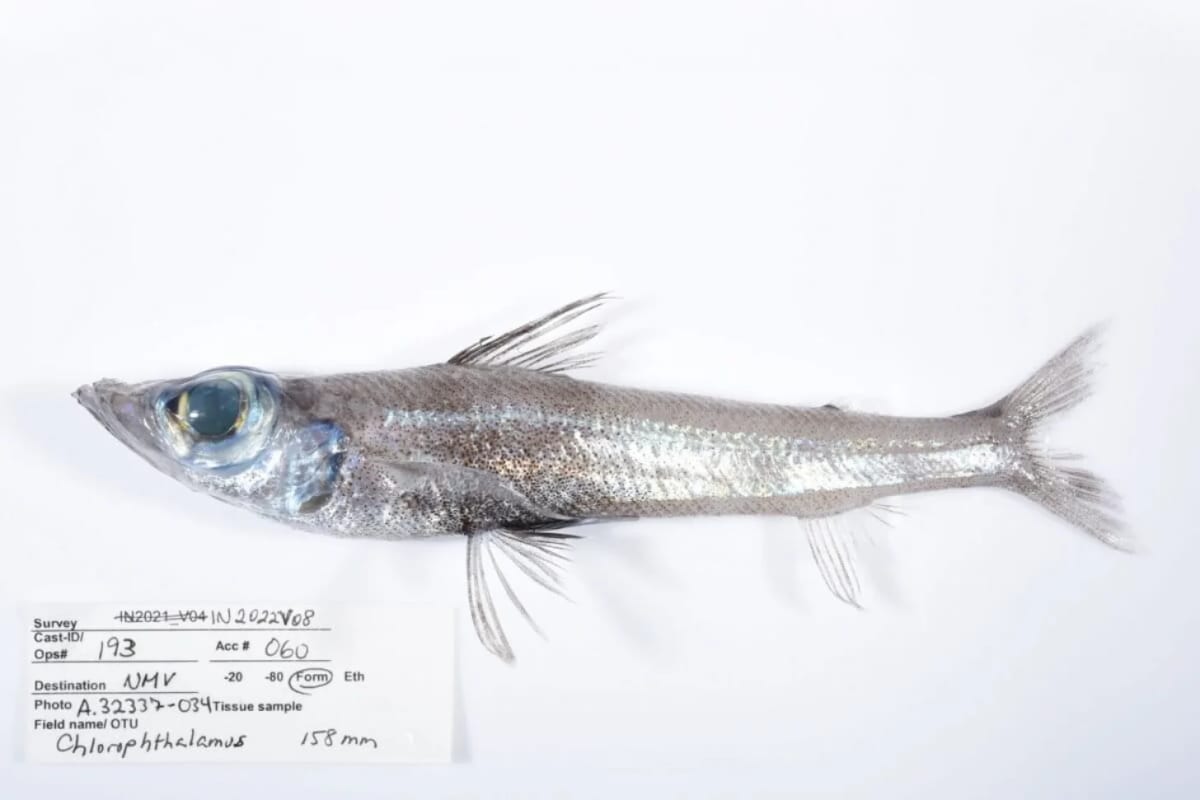
The expedition revealed extraordinary creatures thriving in complete darkness at depths reaching over 17,000 feet. Among the discoveries: a new species of sea cucumber from the genus Oneirophanta, a fish from the greeneye family that gave one seamount its name, and even a parasitic barnacle.
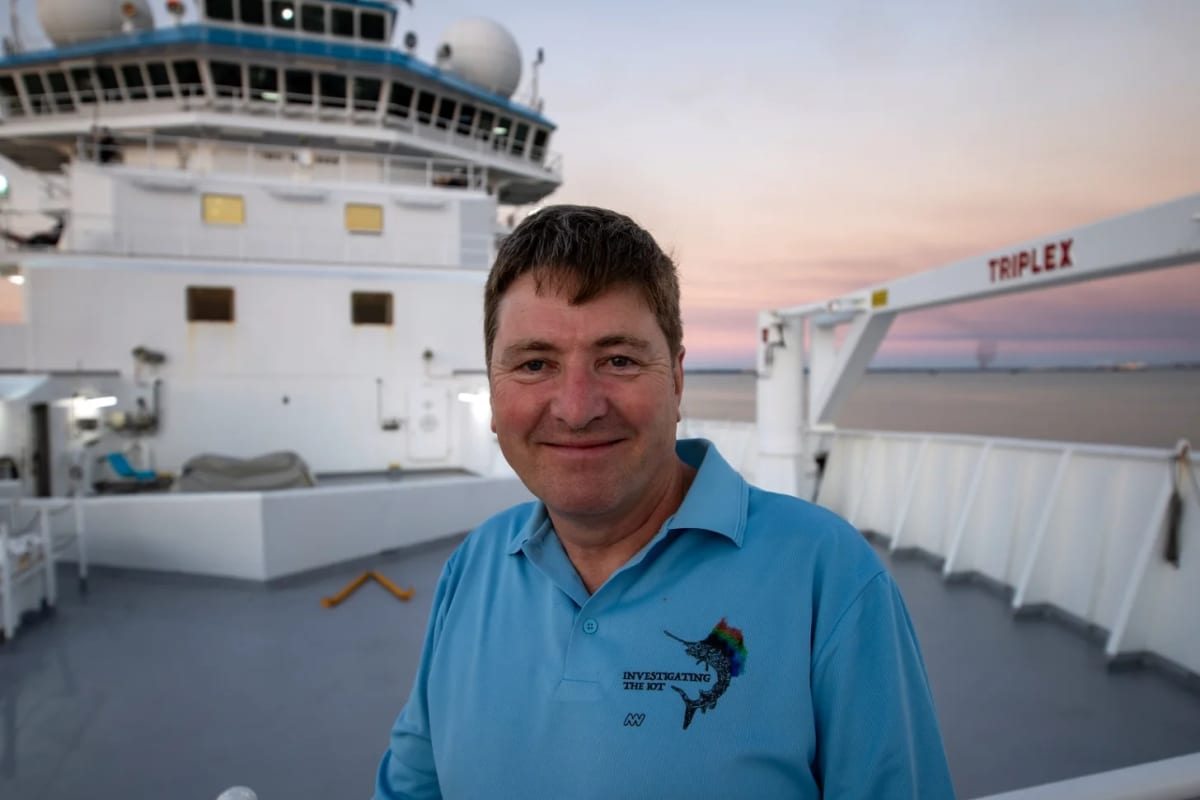
Getting there wasn't easy. The team sailed seven days from Darwin, Australia, just to reach Christmas Island aboard the custom-built research vessel RV Investigator. The ship allowed them to explore depths previously impossible for Australian scientists to reach.
One of the expedition's most exciting moments came when researchers discovered an enormous collapsed volcanic crater at 10,180 feet deep. The bowl-shaped caldera looked so much like an eye staring up from the seafloor that they nicknamed it "The Eye of Sauron," after the villain from The Lord of the Rings.
These underwater mountains create something like oases in the deep sea. When ocean currents hit the seamounts, the water accelerates across their peaks, delivering nutrients to filter feeders and other animals living in the cold darkness below.
The team used massive nets dragged along the seafloor to collect specimens, along with cameras and environmental DNA sampling. Out of 1,059 total species recorded, 149 have never been documented anywhere on Earth.
Why This Inspires
This expedition filled a major gap in our understanding of ocean biodiversity. While the Indian Ocean covers a fifth of the world's ocean area, its deep waters remain far less studied than the Pacific or Atlantic.
The discoveries prove that even in 2024, our planet still holds countless mysteries waiting to be found. These remote underwater mountains supported thriving ecosystems for millions of years without humans ever knowing they existed.
The research also helps protect these fragile environments. Two years before the expedition, Australia approved the study to better understand the region's marine life before establishing the Indian Ocean Territories Marine Parks in 2020.
Every expedition like this one reveals how much life our oceans support, even in the most extreme conditions. The deep sea isn't empty or dead—it's teeming with creatures we're only beginning to meet.
More Images

Based on reporting by Google News - Researchers Find
This story was written by BrightWire based on verified news reports.
Spread the positivity!
Share this good news with someone who needs it