Scientists Find 149 New Species Near Collapsed Volcano
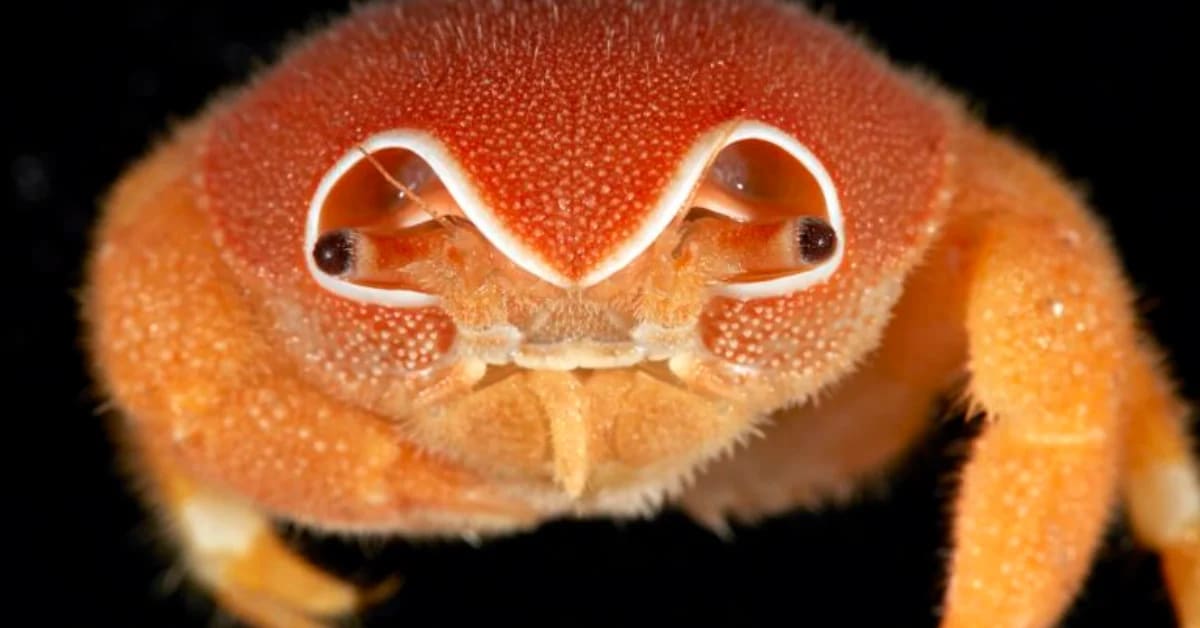
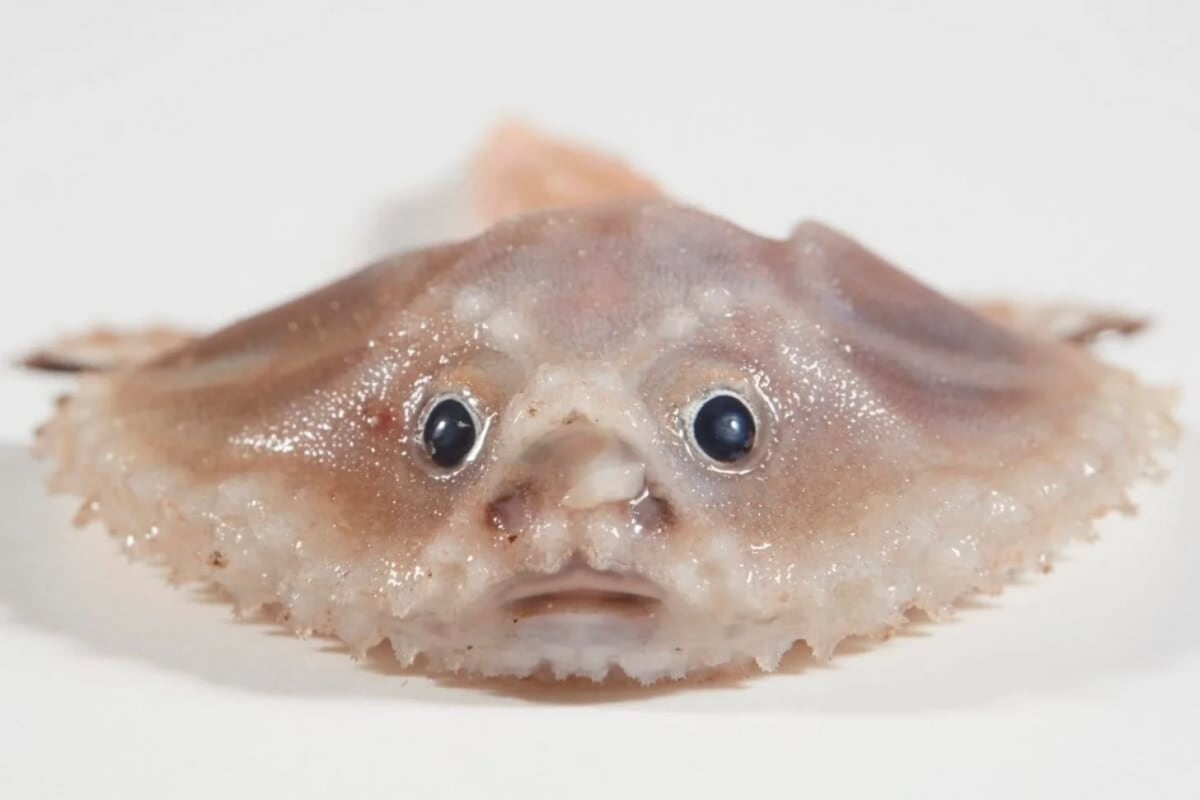
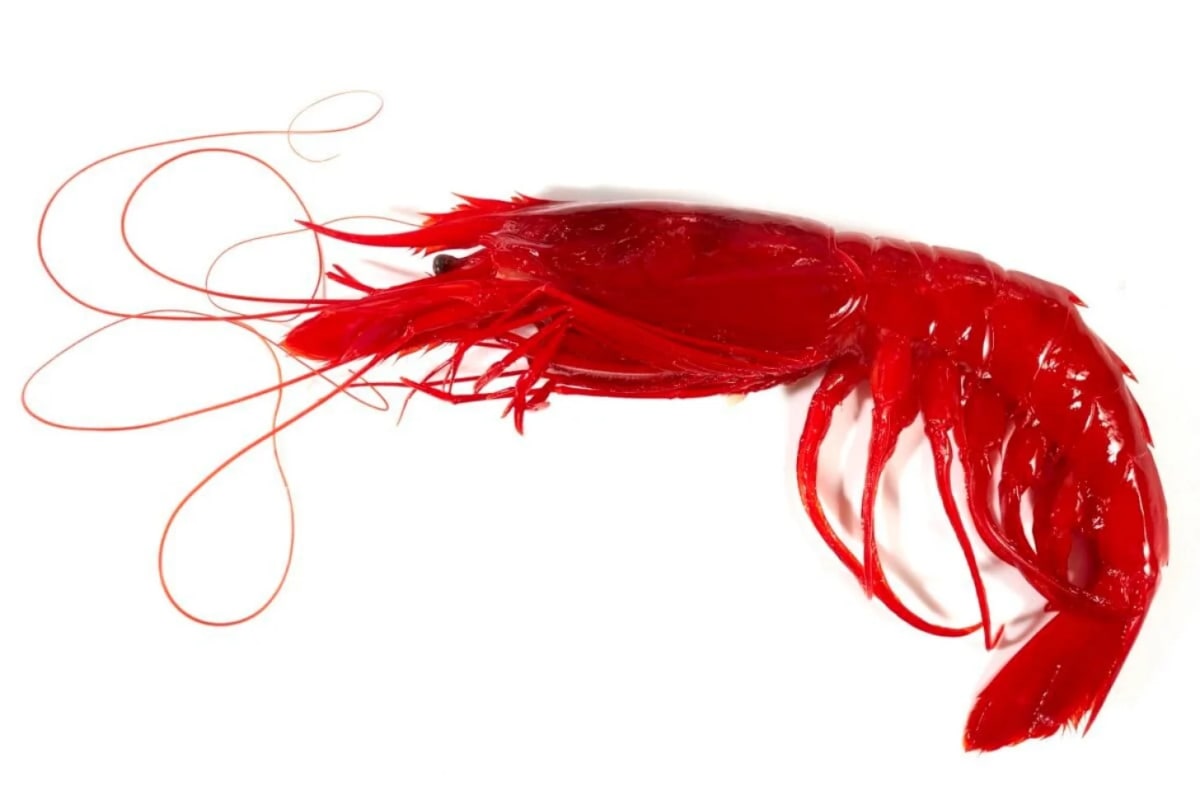
An expedition to unexplored underwater mountains in the Indian Ocean discovered 149 new species, from glowing fish to parasitic barnacles. The remote seamounts near Christmas and Cocos Islands had never been studied before, representing a massive gap in our understanding of ocean life.
Scientists just uncovered a hidden world teeming with life nobody knew existed, proving there are still frontiers left to explore on our own planet.
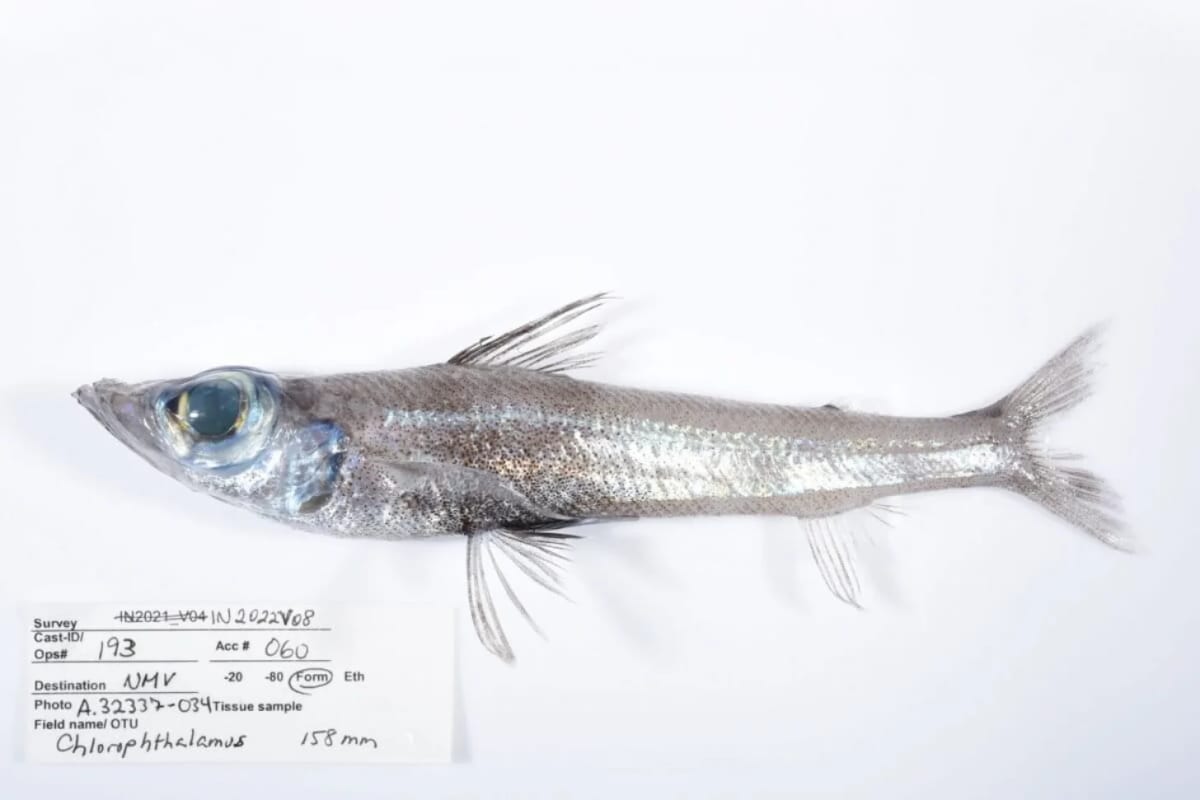
A team of 33 researchers ventured to some of the most remote underwater mountains in the Indian Ocean, where 40 to 120 million year old volcanic seamounts rise from the seafloor like skyscrapers. What they found was extraordinary: 149 species completely new to science, including bizarre anglerfish, translucent sea cucumbers, and fish with glowing green eyes.
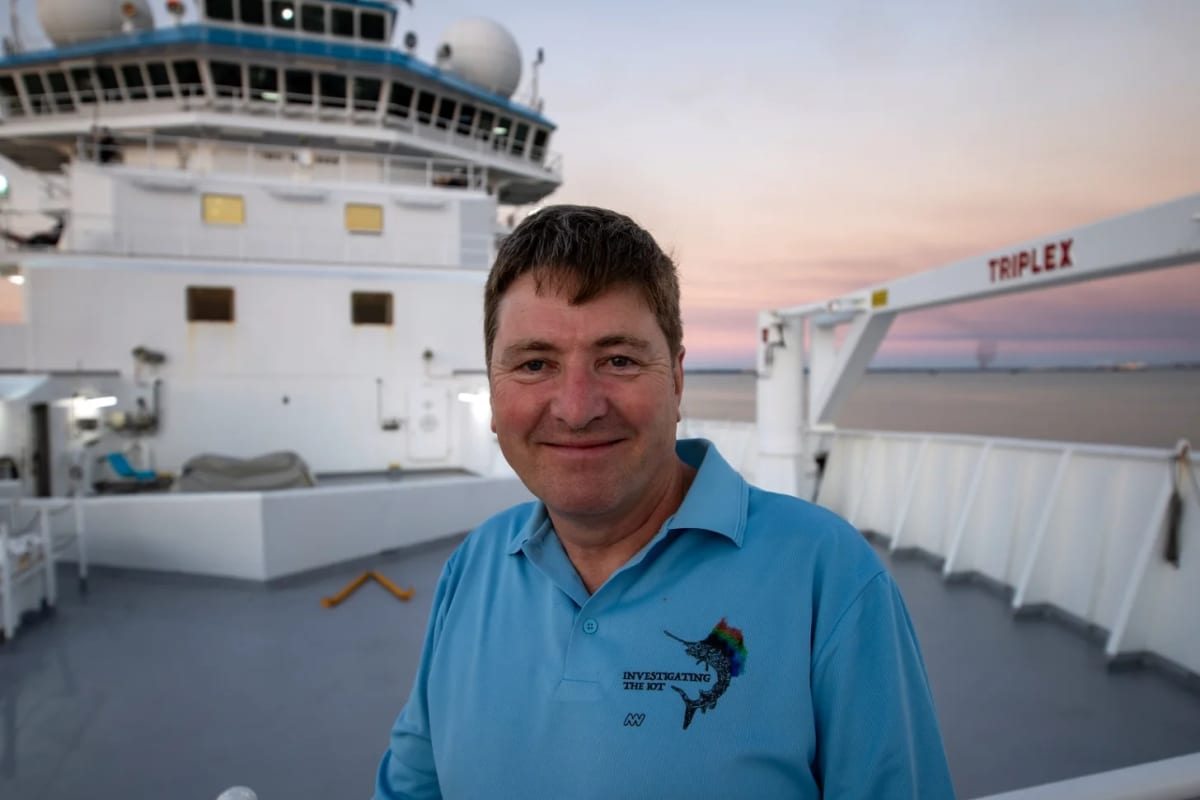
"It was a massive hole in the data," said Tim O'Hara, the expedition's lead scientist from Museums Victoria. While the shallow waters around Christmas and Cocos Islands had been studied before, no one had ever explored the deep sea surrounding them.
Getting there wasn't easy. The islands are so isolated that it took the research vessel seven days just to reach Christmas Island from Darwin, Australia. Once there, the team mapped 22 seamounts and surveyed depths ranging from 308 feet to over 3 miles down.
The discoveries kept coming. Researchers found an entire "shark graveyard" more than three miles deep, littered with ancient teeth covered in mineral deposits. They named one collapsed volcanic crater "The Eye of Sauron" because its bowl shape resembled the flaming eye from The Lord of the Rings.
These underwater mountains create perfect conditions for life in an otherwise harsh environment. When deep ocean currents hit the seamounts, the water speeds up and carries more nutrients, creating oases for filter feeders and the animals that depend on them. In the pitch black, freezing cold depths where food is scarce, these mountains make survival possible.
The team collected over 1,000 species total using nets that dragged along the seafloor at walking pace. They also used environmental DNA, genetic material shed by creatures into the water, to detect species they couldn't catch.
Why This Inspires
This expedition reminds us that Earth still holds countless mysteries waiting to be discovered. The Indian Ocean covers a fifth of our planet's ocean area, yet 90% of it remains deeper than 3,280 feet and largely unexplored compared to the Pacific and Atlantic.
Every time scientists venture into these remote places, they find life thriving in conditions we once thought impossible. These discoveries happened in 2020, but researchers are still identifying and naming new species from their collections, meaning more announcements are coming.
The expedition laid crucial groundwork for Australia's Indian Ocean Territories Marine Parks, established in 2022 to protect these remarkable ecosystems. Now we know what's down there, we can better protect it for generations to come.
More Images
Based on reporting by Good Good Good
This story was written by BrightWire based on verified news reports.
Spread the positivity!
Share this good news with someone who needs it