Argentine Swimmer Broke Barriers at 1936 Nazi Olympics
Jeanette Campbell became Argentina's first female Olympian and first female medalist by winning silver in Berlin in 1936. Her record stood for 29 years and opened doors for generations of women athletes.
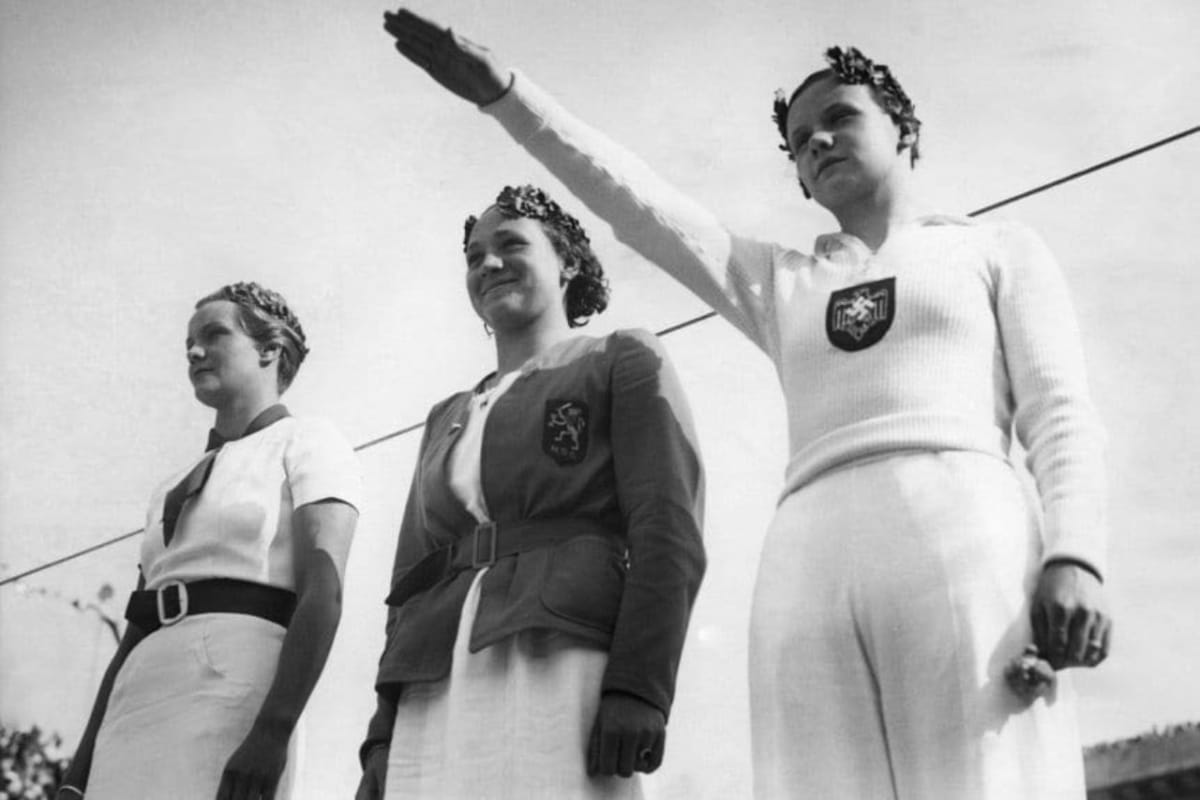
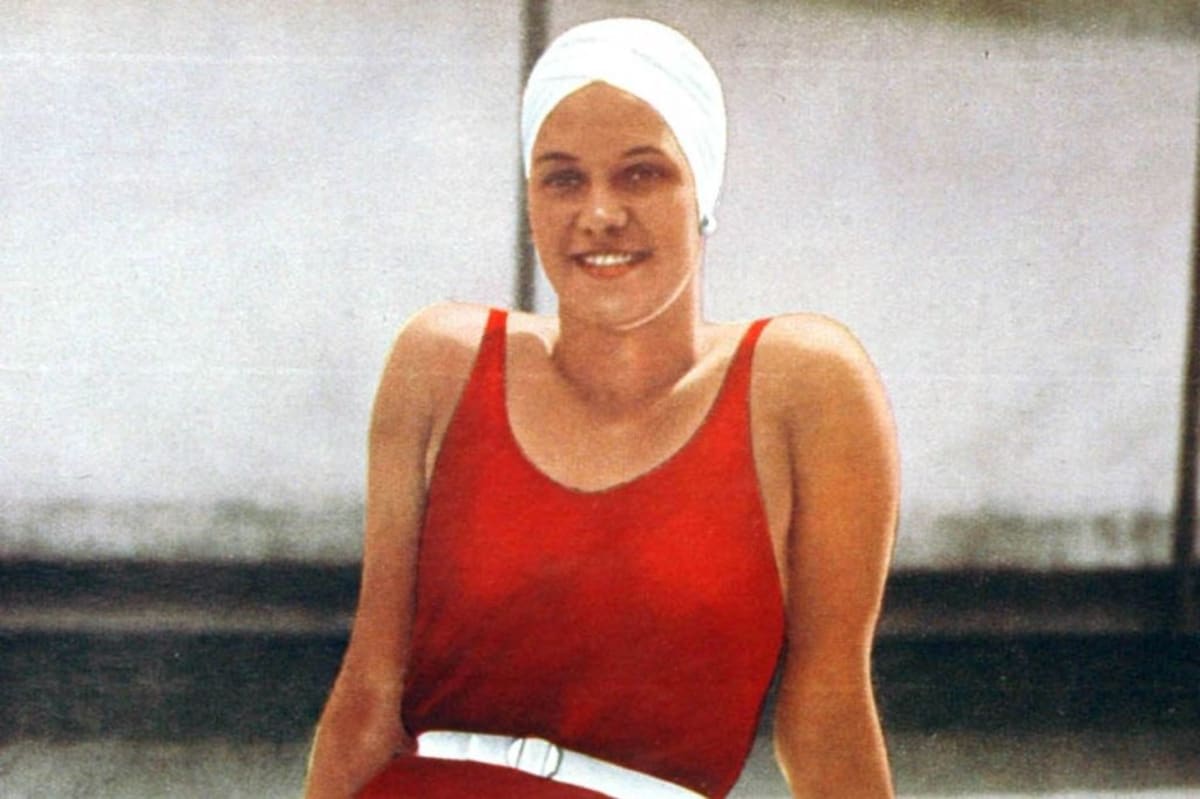
When Jeanette Campbell touched the wall in second place at the 1936 Berlin Olympics, she made history twice in a single swim.
The 20-year-old became Argentina's first woman to compete at the Olympics and the first to win a medal. She did it all while Nazi Germany's leaders watched from the stands.
Campbell was born in France in 1916 to a Scottish father and Argentine mother. Her family moved to Buenos Aires after World War I, where she started swimming at age 6.
By 18, she was already breaking South American records. In 1935, she dominated the South American Championships in Rio de Janeiro, winning the 100m, 400m, and relay events.
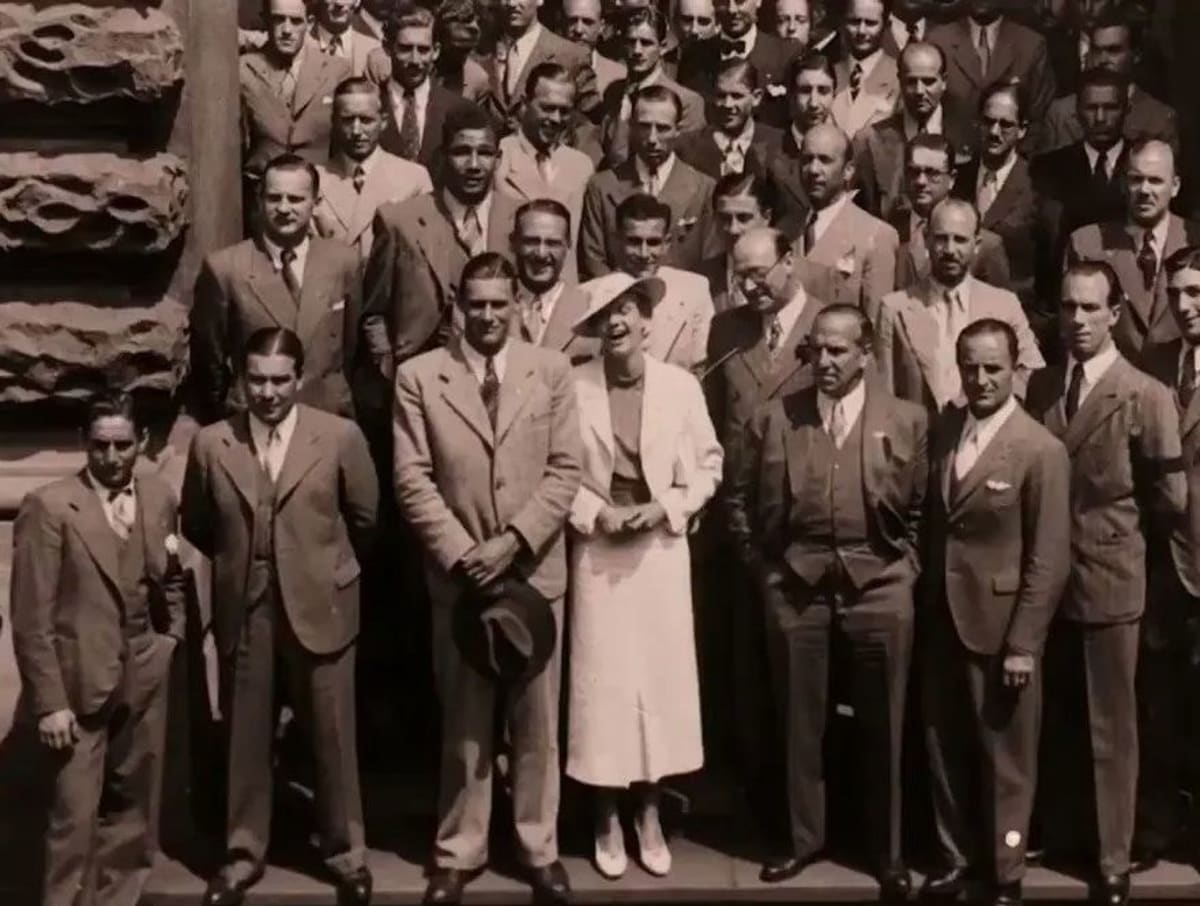
She claimed Argentine citizenship that same year with one goal in mind: representing her adopted country at the 1936 Olympics. The only catch? She'd be traveling to Berlin as the lone woman among 50 male athletes.
The three-week boat journey to Germany could have derailed her training. Instead, Campbell turned it into an advantage by arriving a month early and training twice daily for the first time in her life.
"The responsibility felt almost scary," she later recalled. But she didn't crack under pressure.
Campbell won her opening heat, then shocked the world by beating record holder Willy den Ouden in the semifinals. Her time broke the Olympic record set four years earlier in Los Angeles.
In the final, she led for most of the race before Dutch swimmer Rie Mastenbroek edged past her in the final meters. Campbell's silver medal time of 1:06.4 set a South American record that stood for 29 years.
The Ripple Effect
Campbell's achievement opened a door that had been firmly shut. "It wasn't just the first Olympic medal won by an Argentine woman," said Alicia Morea of Argentina's Olympic Committee. "It was proof that talent, determination, and athletic excellence know no gender."
World War II canceled the 1940 and 1944 Olympics, costing Campbell her shot at gold. But she continued dominating South American swimming, winning championships in 1938 and 1939.
Today, nearly 90 years later, women make up nearly half of all Olympic athletes. It's a transformation Campbell helped spark with one gutsy swim in Nazi Germany.
To this day, she remains one of only four Argentine women to win individual Olympic medals. Her legacy lives on in every woman who steps onto the starting blocks.
More Images
Based on reporting by Google News - Olympic Medal
This story was written by BrightWire based on verified news reports.
Spread the positivity!
Share this good news with someone who needs it