Arizona Center Captures Asteroid Shadow in 0.6 Seconds
A new Arizona telescope just recorded its first scientific discovery, capturing an asteroid's shadow passing over Earth in less than one second. The breakthrough proves the center's cutting-edge technology works with stunning accuracy. ##
In the dark early morning hours of May 2, a brand new observatory in Fountain Hills, Arizona just proved it belongs among the world's top scientific instruments.
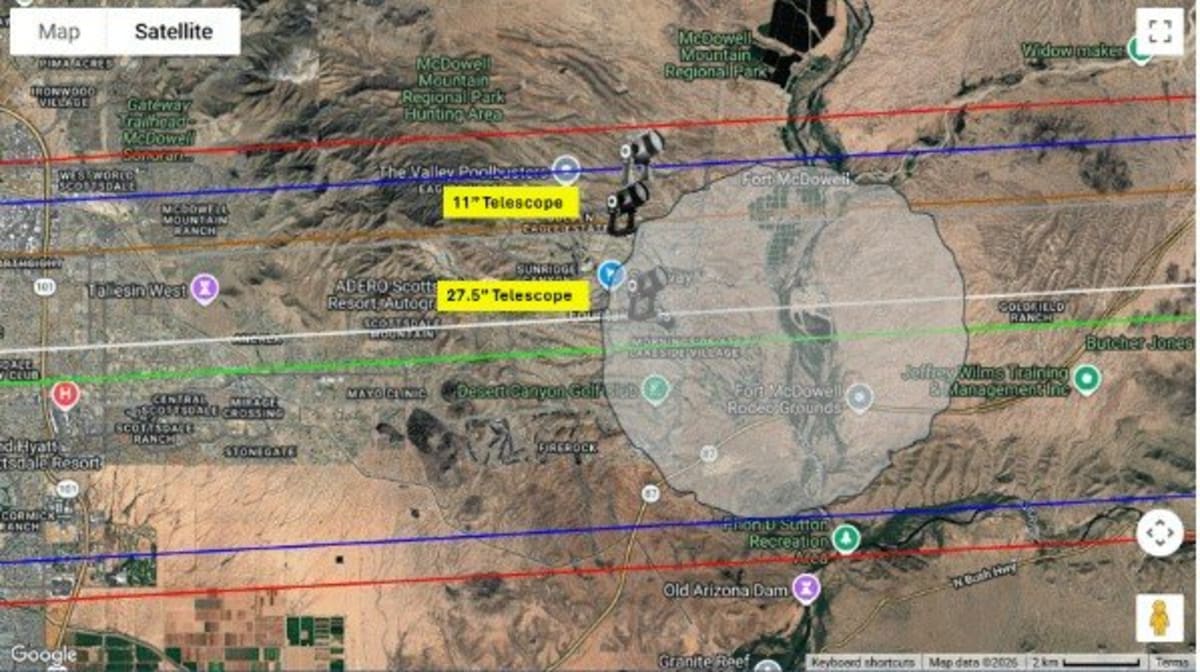
The International Dark Sky Discovery Center's massive 27.5-inch telescope captured something incredibly rare at exactly 3:15 a.m. An asteroid 5.6 miles wide cast its shadow over Arizona as it passed in front of a distant star. The entire event lasted just six-tenths of a second.
This wasn't just pretty stargazing. Scientists planned this observation carefully to collect real data about an asteroid hurtling through space millions of miles away.
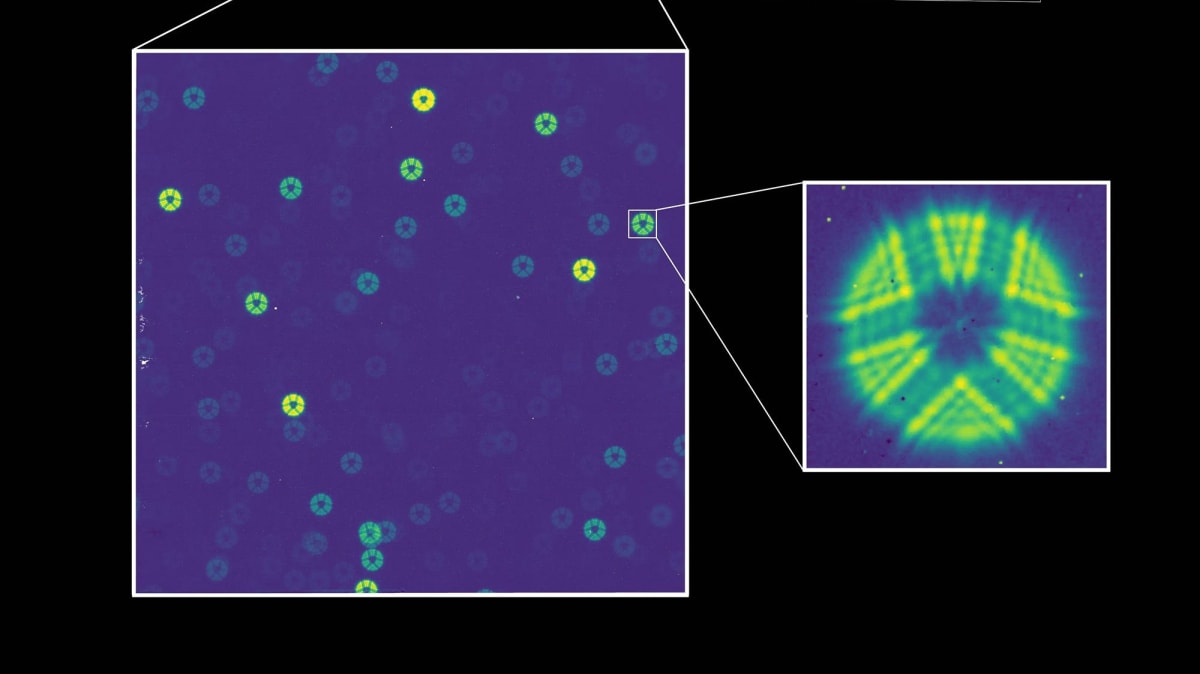
By studying how the starlight dimmed during those brief moments, researchers can now calculate the asteroid's exact size, shape, and orbit with remarkable precision. Every fraction of a second the star stayed hidden tells them something new about this space rock's journey through our solar system.
The center called the accuracy of their first-ever scientific results "astounding." For a brand new facility, nailing measurements this precise on the first try proves their telescope works exactly as designed.
Why This Inspires
Dark sky observatories face growing challenges as light pollution spreads across the planet. Cities glow brighter each year, making it harder to see the universe clearly from Earth.
But Fountain Hills invested in protecting their night sky and building world-class scientific equipment. Now that gamble is paying off with real discoveries that help us understand our cosmic neighborhood better.
This successful observation shows that communities can still create spaces where science thrives. The data collected that morning will join an international database used by astronomers worldwide to track potentially hazardous asteroids and map our solar system.
Most remarkably, this breakthrough happened during the center's final construction phase. The facility isn't even fully complete yet, and it's already contributing to humanity's knowledge of space.
When the Dark Sky Discovery Center opens its doors completely, it will serve both serious research and public education. Local students and visitors will get to look through the same telescope that's now making scientific history.
Building a world-class observatory proves that small communities can make big contributions to science when they commit to preserving dark skies and investing in quality equipment.
##
Based on reporting by Google: scientific discovery
This story was written by BrightWire based on verified news reports.
Spread the positivity!
Share this good news with someone who needs it