Arizona Tracks Heat Deaths to Save Lives From Climate Change
A medical examiner in Arizona is pioneering new ways to count heat-related deaths, giving communities the data they need to protect people as temperatures rise. His work could transform how America responds to climate disasters.
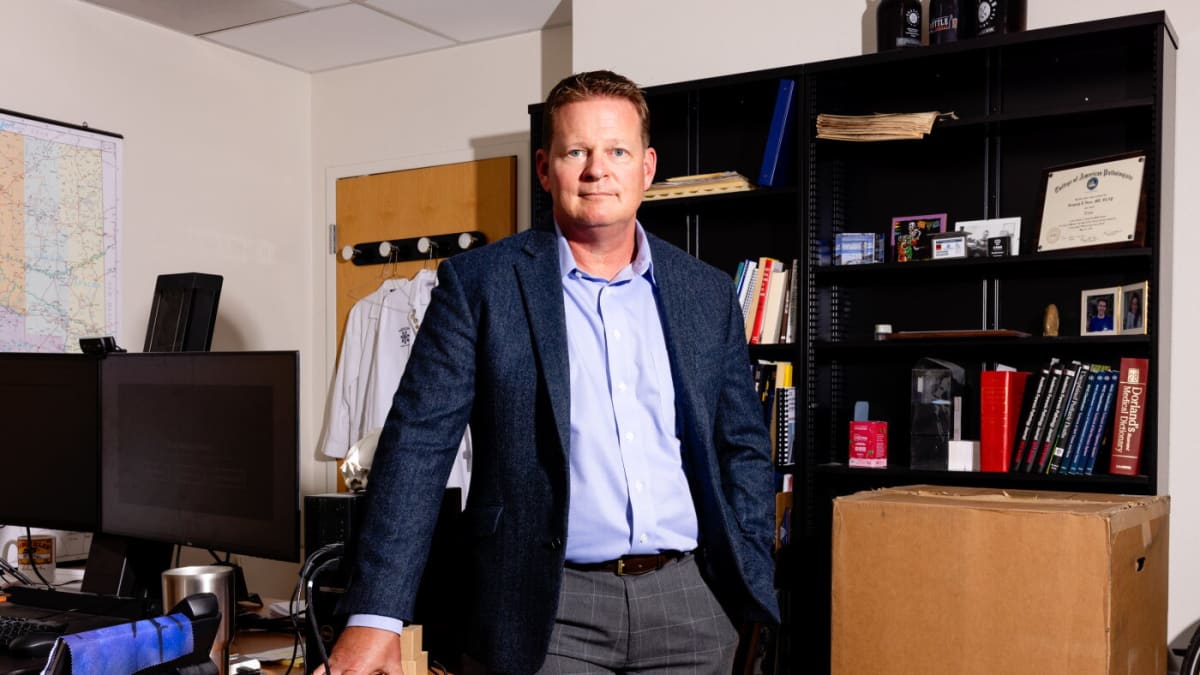
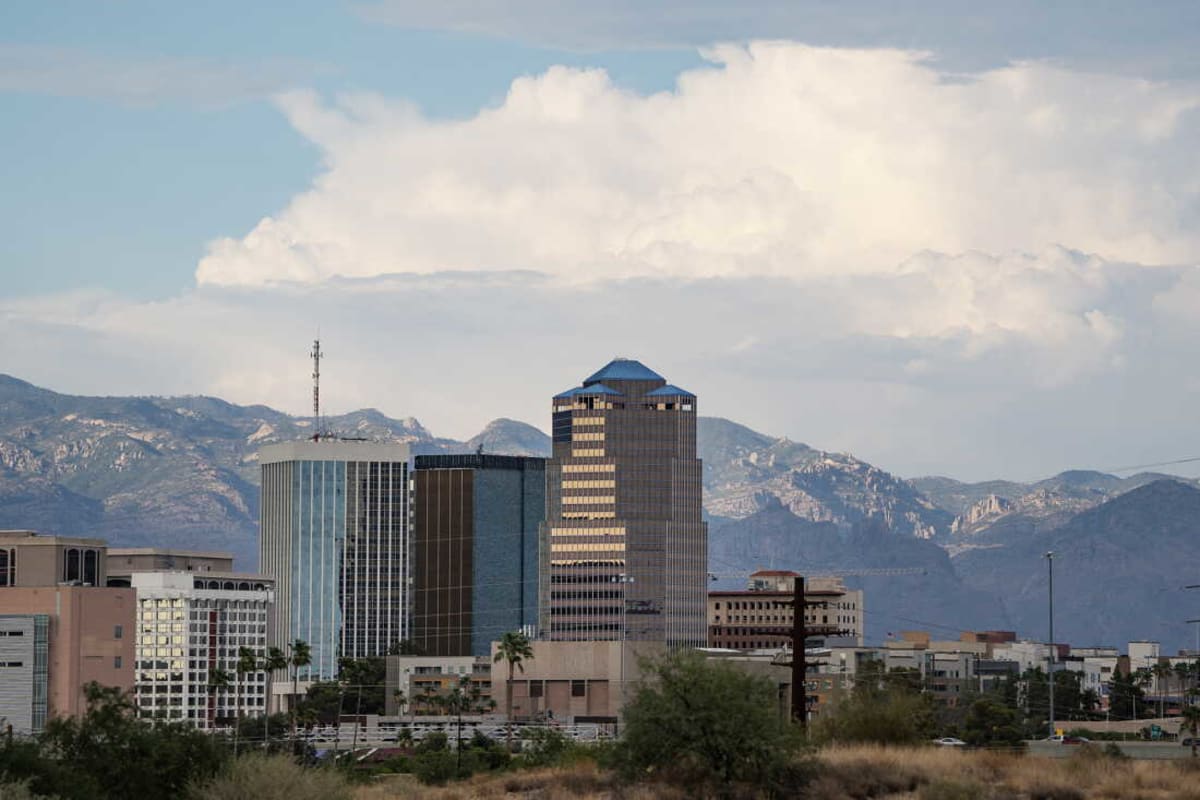
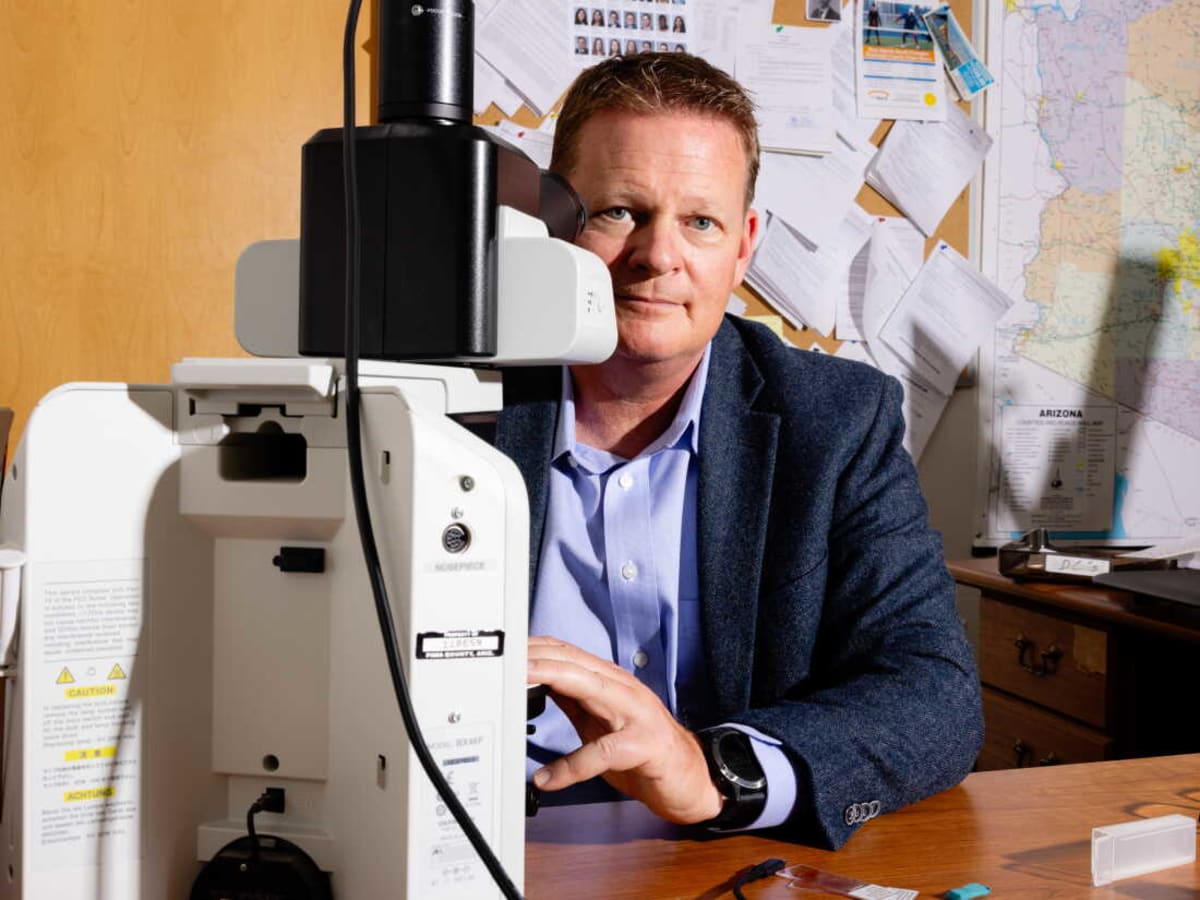
Greg Hess sees the human cost of rising temperatures every summer when his morgue drawers fill with people who died too soon from Arizona's brutal heat. Now, the Pima County medical examiner is turning tragedy into action.
Hess and his team have developed some of the most innovative strategies in the country to accurately count heat-related deaths. Their work addresses a critical gap: America has no official system for tracking how many people die from climate-fueled disasters like heat waves, hurricanes, or wildfires.
The stakes are enormous. Without accurate counts, health experts say thousands of Americans die each year from climate disasters while communities remain unaware of the true scope. Families lose loved ones, but the deaths go unrecorded in any meaningful way that could prevent future tragedies.
Pima County isn't Arizona's hottest or most populated area, but Hess made it a leader in counting heat deaths. He arrived in 2011 during a border crossing crisis that pushed his office to handle hundreds of heat-related deaths each summer. The experience forced his team to develop thorough investigation protocols and taught Hess the power of good data.
Kristie Ebi, a public health expert at the University of Washington, explains why this matters. Communities can't set priorities or allocate resources like cooling centers without knowing how many people suffer and die in disasters. Incomplete counts mean incomplete protection for vulnerable residents.
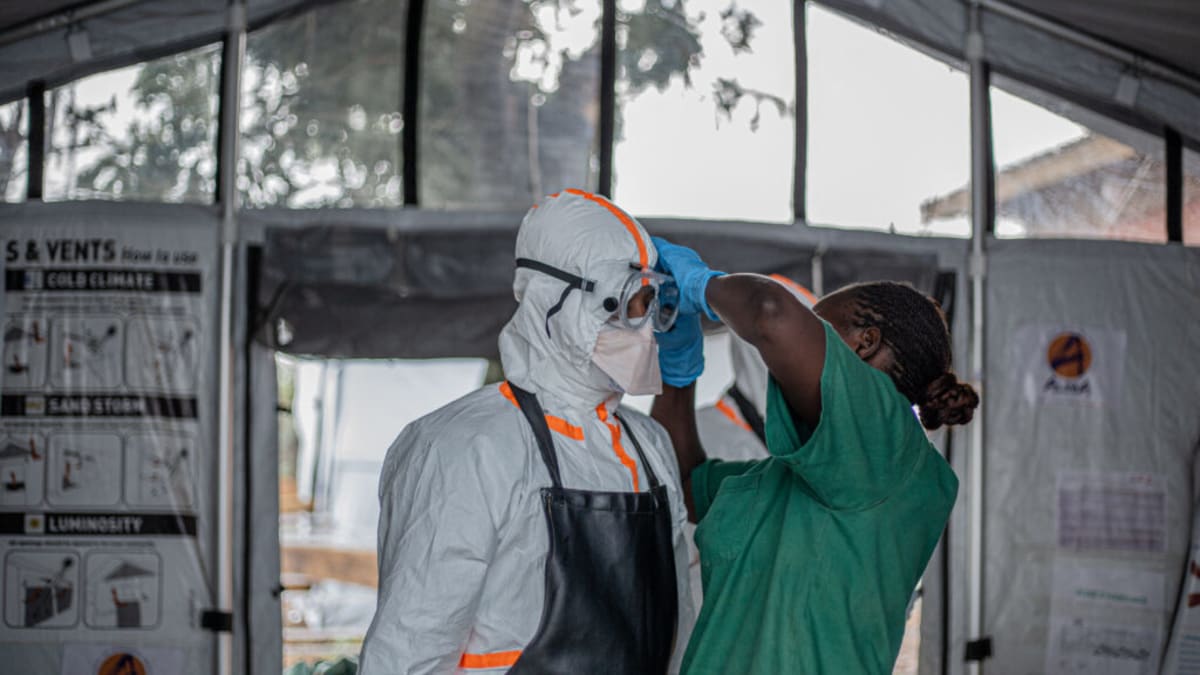
The problem extends far beyond Arizona. Climate change is pushing temperatures to dangerous levels nationwide, making hurricanes deadlier and choking communities with wildfire smoke. Yet no government agency, research institution, or state office officially tracks the full human toll.
Why This Inspires
Hess represents a growing movement of medical examiners, coroners, epidemiologists, and public health experts who refuse to let these deaths go uncounted. They're working on the front lines of climate change, turning their daily encounters with tragedy into data that can save lives.
Their goal is beautifully simple: give city leaders and policymakers the information they need to protect people. Better counts mean better planning. Better planning means fewer families losing loved ones to preventable heat deaths.
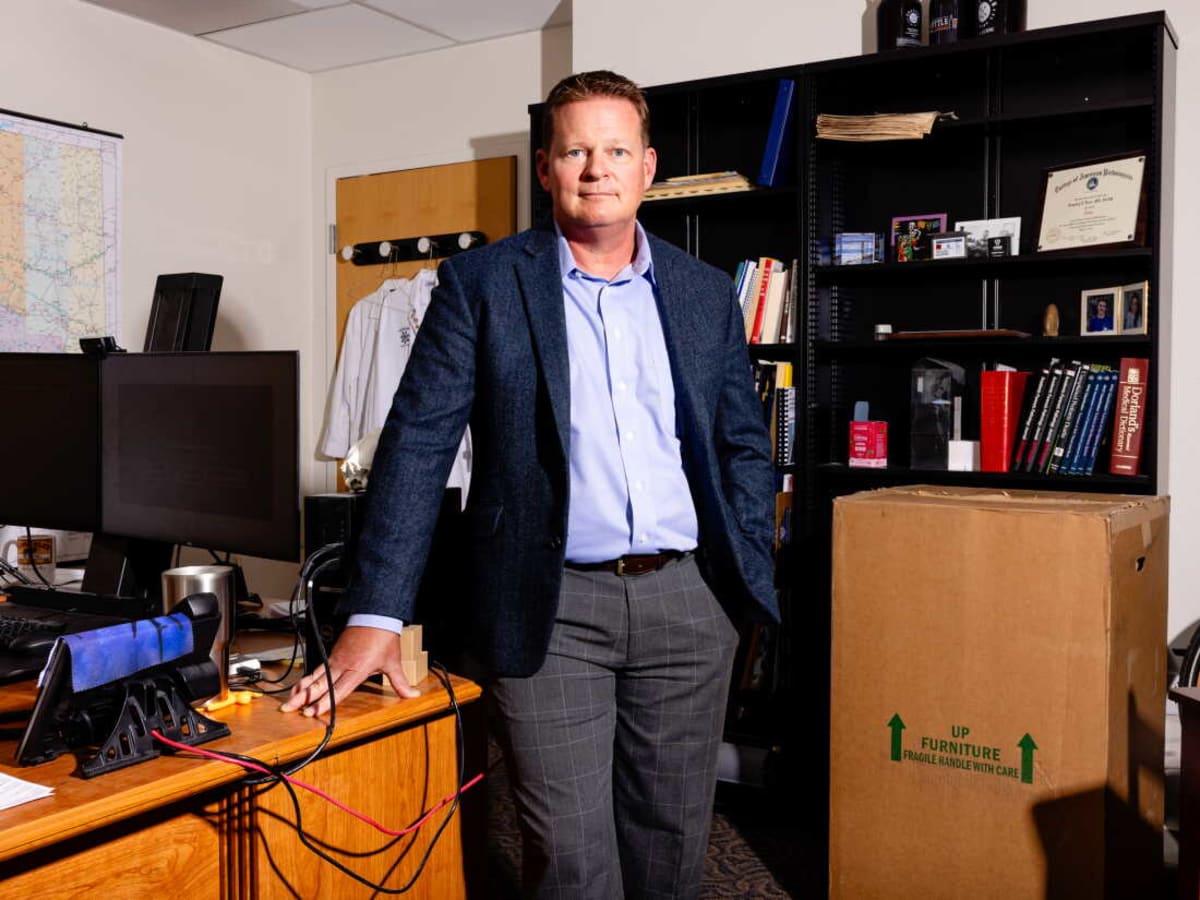
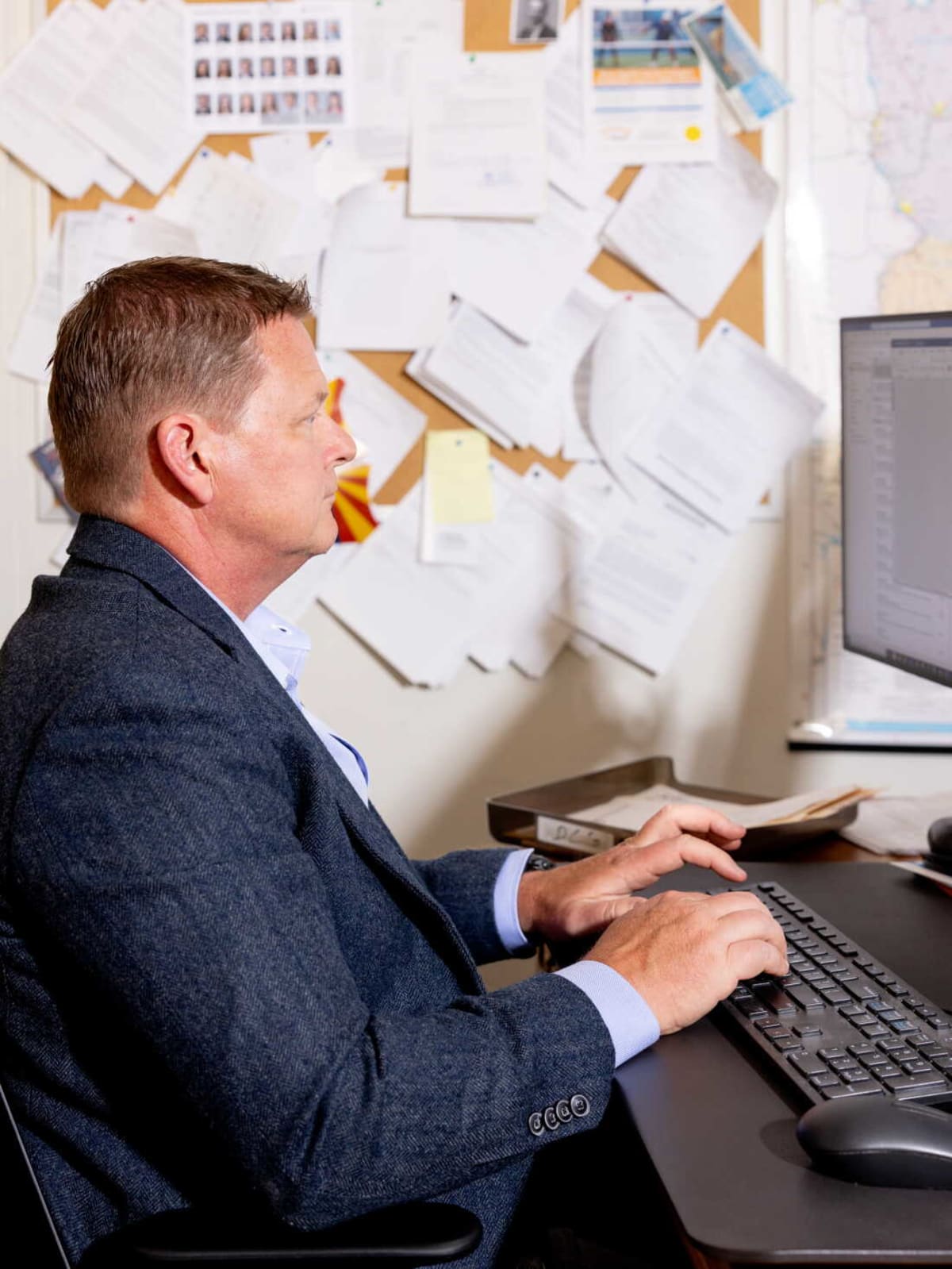
From his Tucson office, where a pickleball trophy sits beside case files, Hess continues his work through Arizona's blazing summers. He rides his bike to the morgue even in extreme heat, a small daily reminder that understanding how people die from heat is the first step toward keeping them alive.
Communities across America are watching Arizona's approach, recognizing that accurate data about climate deaths isn't just about numbers on a page—it's about saving the next person who might otherwise become a statistic.
More Images
Based on reporting by NPR Science
This story was written by BrightWire based on verified news reports.
Spread the positivity!
Share this good news with someone who needs it