Armenia and Azerbaijan Hold 4th Peace Bridge Talks
After decades of conflict, Armenian and Azerbaijani civil society leaders met for their fourth round of peace dialogue in Gabala, Azerbaijan. The talks show how former enemies are building trust and planning a shared future together.
Thirty years of closed borders and conflict didn't stop dozens of Armenians and Azerbaijanis from crossing into each other's countries this weekend to talk about peace.
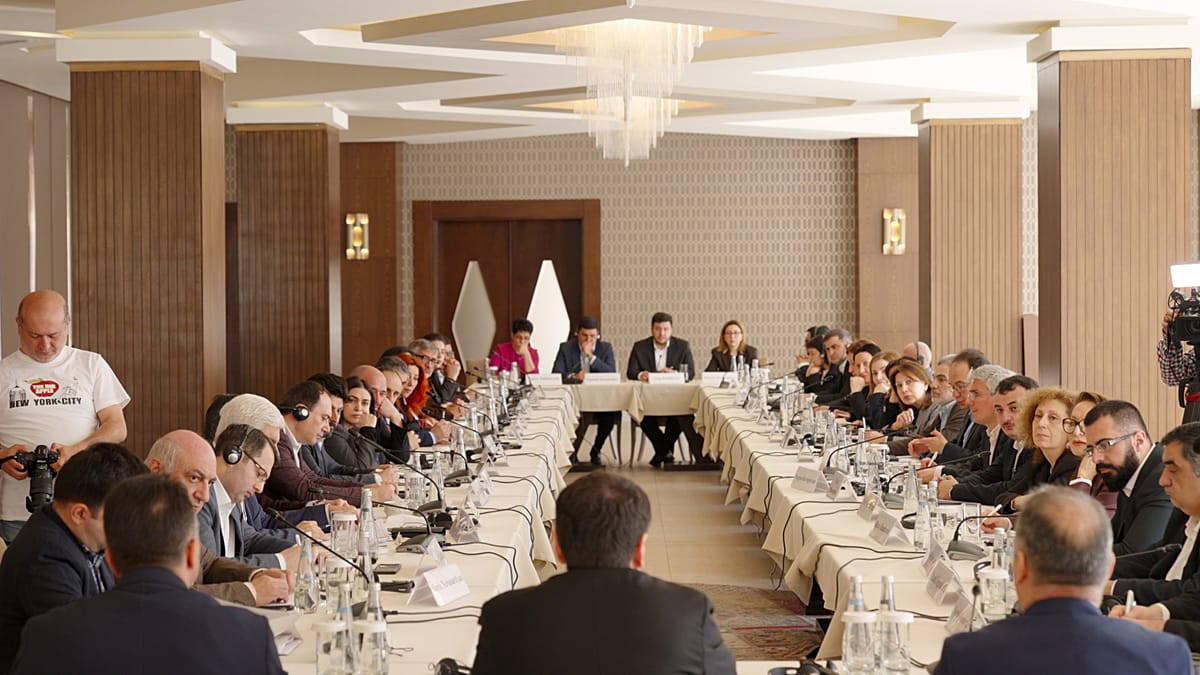
The picturesque town of Gabala in northwest Azerbaijan hosted the fourth round of the Peace Bridge Initiative, a civil society dialogue bringing together representatives from both nations. The meetings follow a historic peace agreement signed in Washington DC that ended decades of tragic conflict between the South Caucasus neighbors.
"For 30 years, we've lived with closed borders and we haven't had the chance of structured dialogue, which created a framework of mutual dehumanization," said Eleonora Sargsyan, a youth worker from Armenia. She believes these peace initiatives exist to start the process of "rehumanization" between the two societies.
The symbolism wasn't lost on participants. Ramil Iskandarli from Azerbaijan's National NGO Forum noted that both groups crossed the border between their countries twice to make the meetings happen. Just months ago, such travel would have been impossible.
The talks tackled sensitive issues that matter deeply to both sides. Lusine Kharatyan, an Armenian cultural anthropologist, told reporters the discussions went very well because participants could address important topics "very deeply and very sensitively towards each other."
Areg Kochinyan, president of the Armenian Council, acknowledged both nations face a "gigantic amount of trauma" from their shared history. But he emphasized that making significant efforts to move forward is essential not just for the region but for Western allies watching closely.
The Ripple Effect
The peace process is already creating real economic benefits. Bilateral trade between Armenia and Azerbaijan has resumed, with transit shipments now flowing through Azerbaijan to Armenia. These concrete steps prove peace isn't just talk.
Both countries are also collaborating on the TRIPP corridor, a US-backed 42-kilometer transit route that will connect Azerbaijan to its Nakhchivan region through Armenian territory. The project represents how former enemies can turn geography into shared opportunity rather than conflict.
Azerbaijan's foreign policy advisor Hikmet Hajiyev posted after the talks that his country remains "fully committed to the Washington agenda," with pragmatic steps being taken daily to strengthen peace. He called the growing cooperation "the economic dividends of peace."
Orkhan Amashov, an Azerbaijani participant, described the discussions as "incredibly comprehensive and wide-ranging," noting that civil society's role is preparing both populations for lasting peace and its consequences.
The Peace Bridge Initiative proves that even societies with deep wounds can choose dialogue over division when given the chance.
Based on reporting by Euronews
This story was written by BrightWire based on verified news reports.
Spread the positivity!
Share this good news with someone who needs it